Author: Michael Jones - Page 16
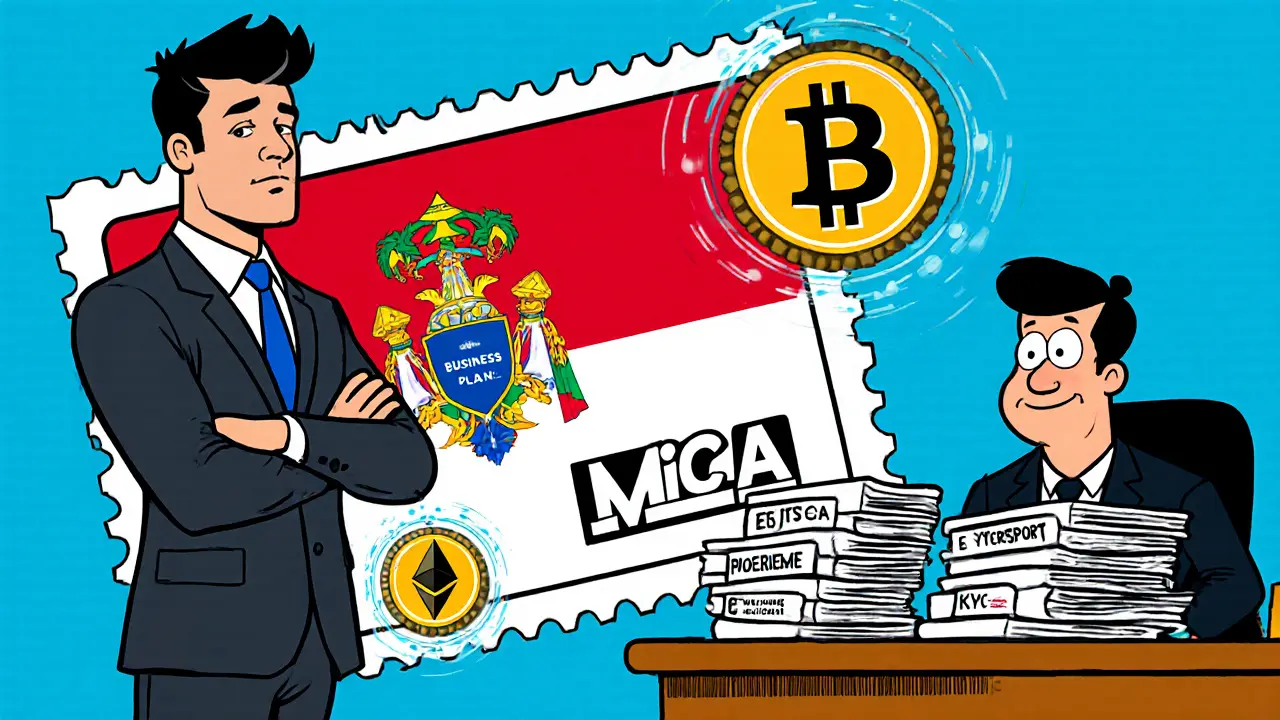
Setting up a crypto exchange in Malta requires a MiCA license from the MFSA, offering EU-wide access but demanding high compliance, capital, and operational standards. Only serious, well-funded operators succeed.
View More
USDT is banned in the EU under MiCA regulation as of July 1, 2025. Learn why Tether failed compliance, how exchanges reacted, and which stablecoins are now legal alternatives for European users.
View More
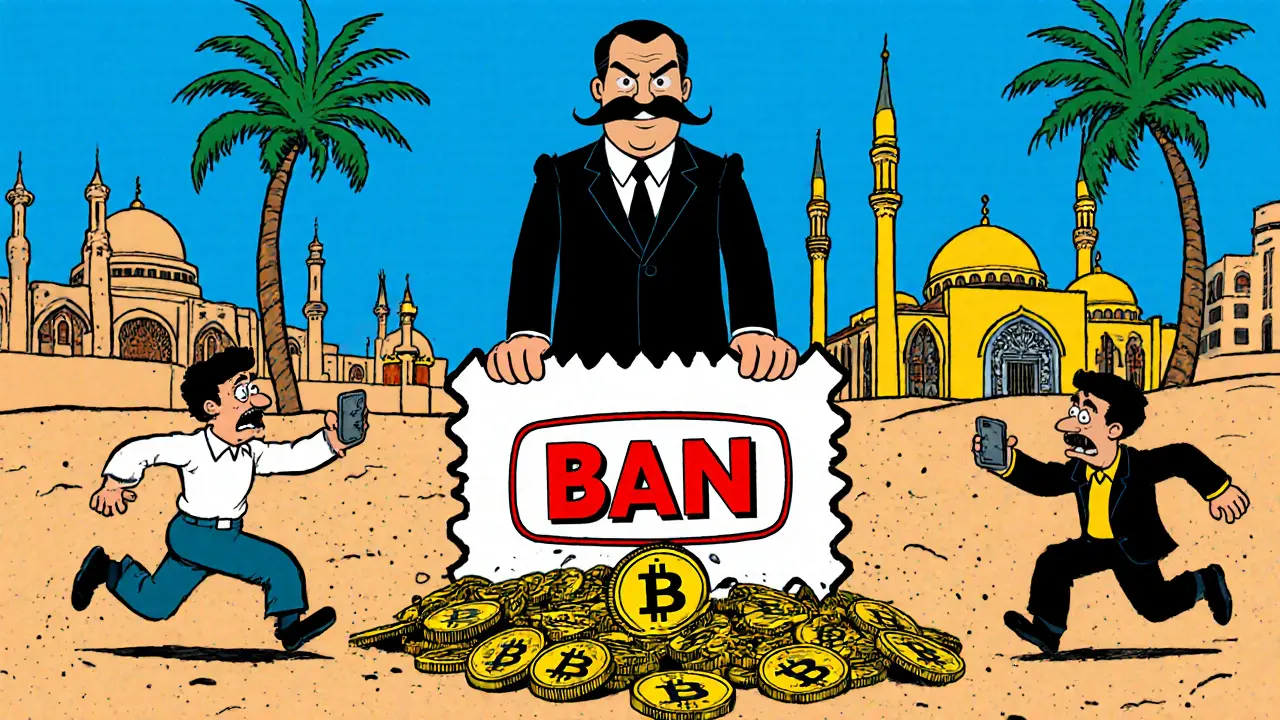
Egypt bans all cryptocurrency trading under Law No. 194/2020, enforced by the Central Bank of Egypt. While crypto is illegal, blockchain tech is being used for customs, land records, and a future digital pound.
View More
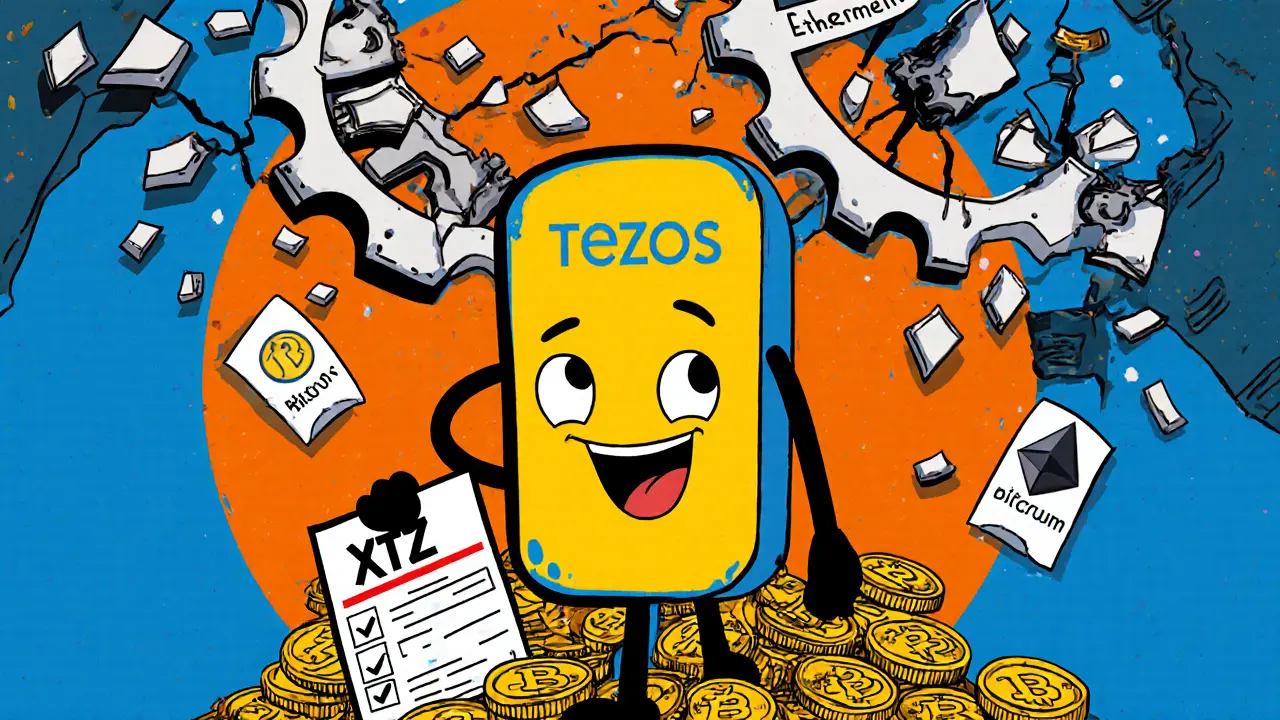
Tezos (XTZ) is a self-upgrading blockchain with on-chain governance and formal verification for secure smart contracts. Learn how it works, why it's different from Ethereum, and where it's being used today.
View More
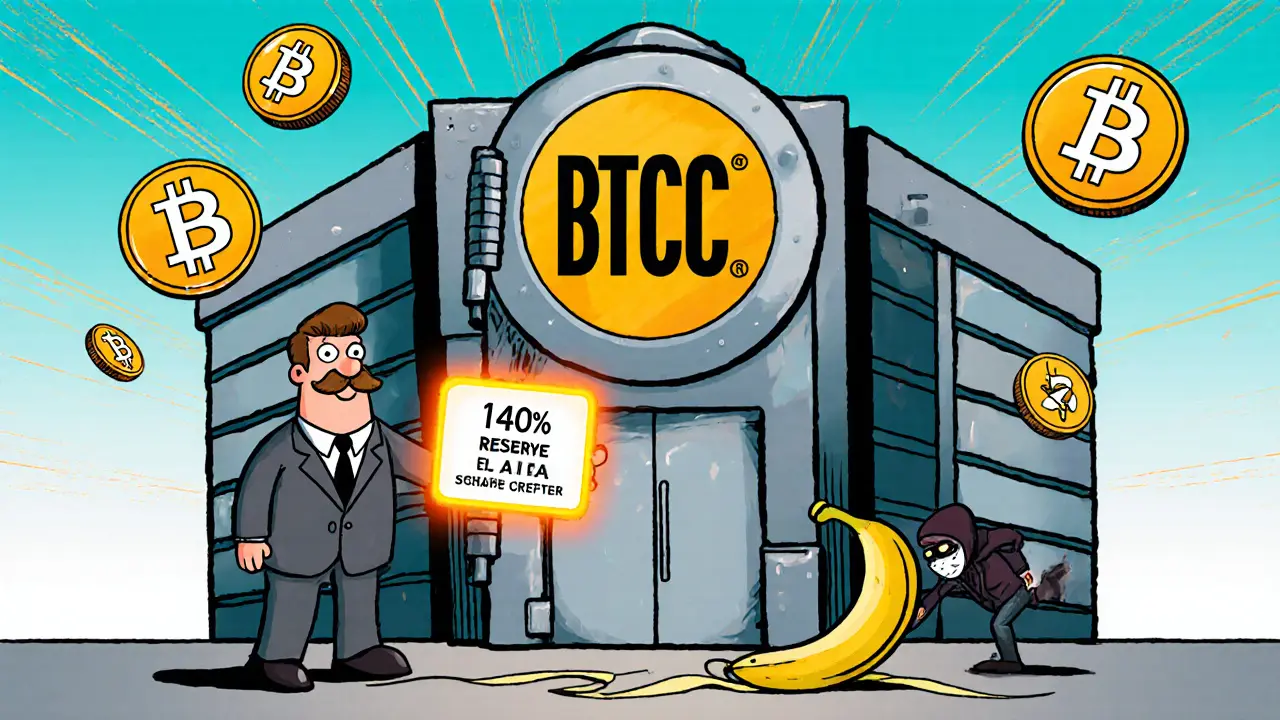
BTCC is one of the oldest and most secure crypto exchanges, with 14 years of zero breaches, 500x leverage, and full regulatory compliance in the U.S. and Canada. Learn why it stands out in 2025.
View More
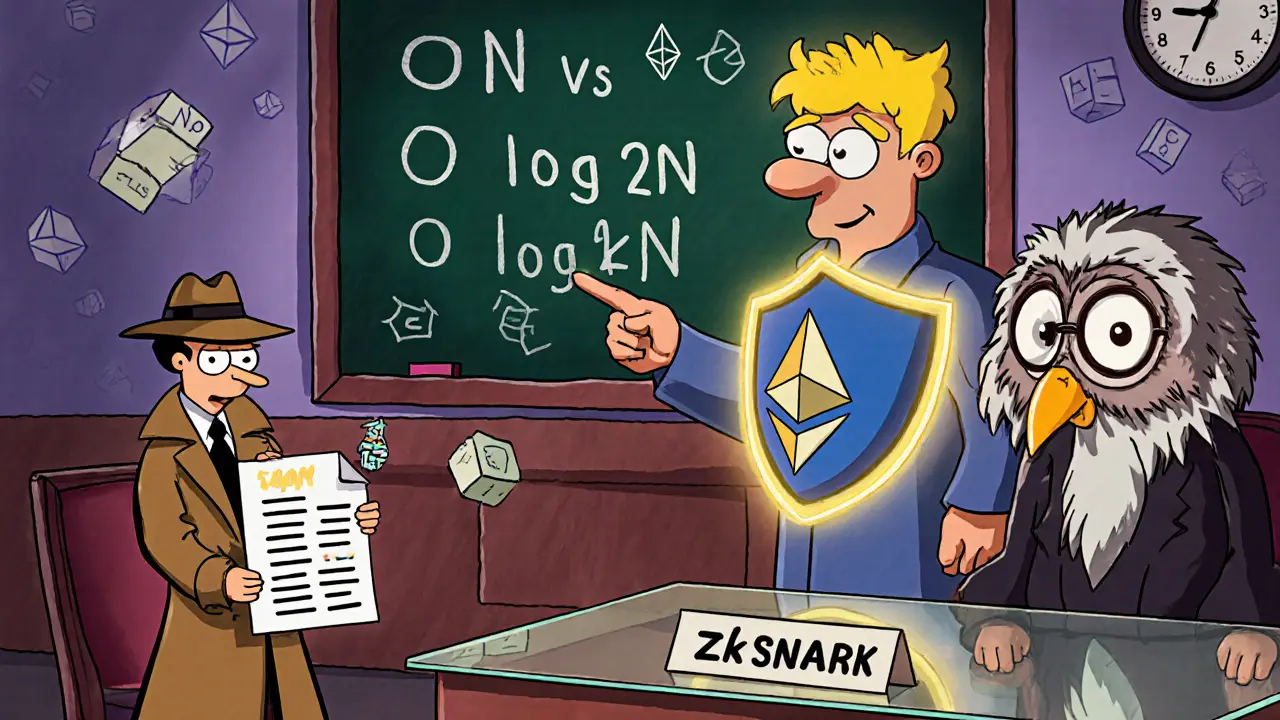
Compare zk-SNARKs and zk-STARKs to understand which zero-knowledge proof system fits your blockchain project-considering cost, scalability, quantum resistance, and developer effort.
View More
OmniCat (OMNI) is a meme coin claiming to be the first omnichain crypto, but it has near-zero trading volume, fake price data, and no real utility. Learn why it's extremely risky and how it compares to established tokens.
View More
DYORSwap (Plasma) offers 0% trading fees but lacks liquidity, security, and transparency. This review exposes its risks as a niche DEX for obscure meme coins with minimal adoption and high scam potential.
View More
Iranian citizens rely on crypto to bypass sanctions. In 2025, exchanges like MEXC, XT.com, and KuCoin still work, while Nobitex collapsed after a $90M hack. DAI has replaced USDT as the safe stablecoin. Here’s what still works and how to stay secure.
View More
The Liquid Network is a Bitcoin sidechain that enables fast, private transactions and asset issuance while maintaining a 1:1 peg with Bitcoin. Used by exchanges and institutions, it solves Bitcoin's speed and privacy limits without compromising security.
View More
HUNDRED (HUNDRED) is a memecoin that forces users to hold coins for 100 hours after purchase. With no real community, minimal trading volume, and a centralized contract, it's a high-risk novelty with no long-term value.
View More
A Sybil attack lets one attacker control a blockchain by creating fake nodes. Bitcoin is safe because it's too expensive to fake nodes. Smaller chains are vulnerable. Learn how Proof of Stake, social graphs, and economic barriers stop these attacks.
View More