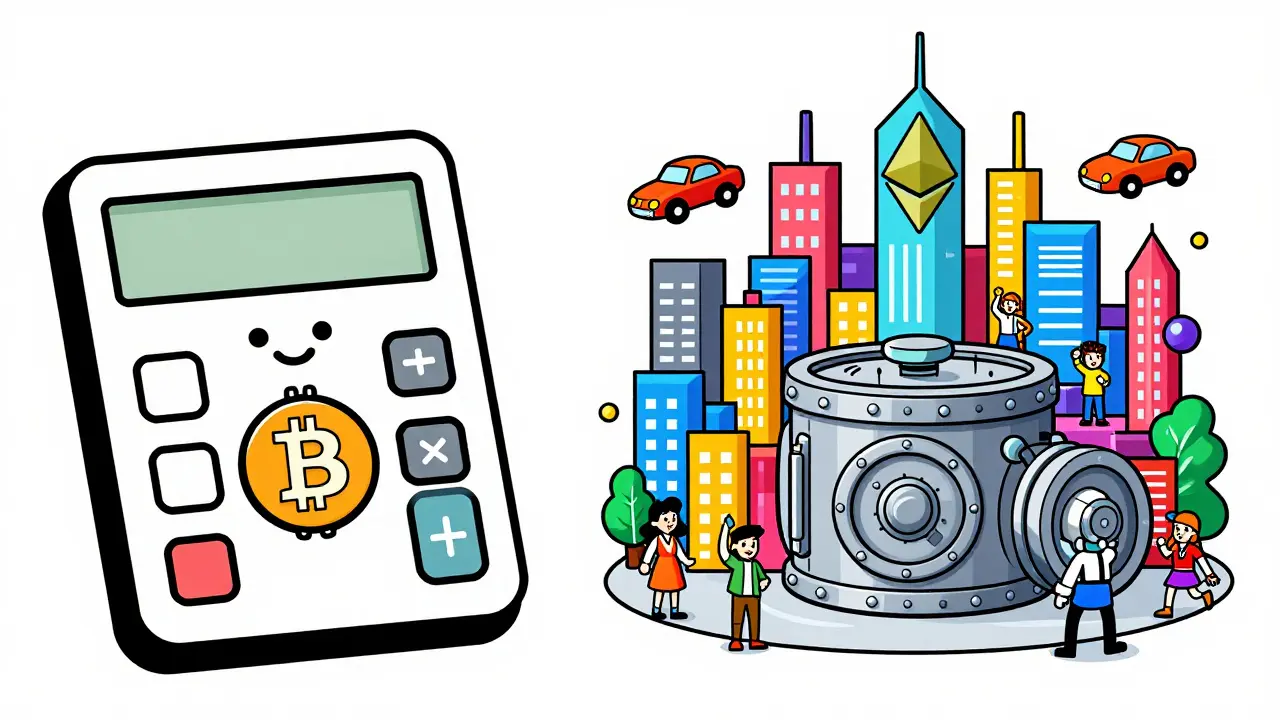
Imagine if your smartphone was just a calculator. You could add numbers, subtract costs, and maybe store a few contacts. That’s basically what Bitcoin is-a brilliant digital calculator for sending value from one person to another. But now imagine that same phone can run games, stream movies, host social networks, and power entire businesses. That shift from a simple tool to a complex operating system is exactly what happened with the rise of platform cryptocurrencies.
If you’ve been watching the crypto space explode beyond just "digital gold," you’ve probably heard terms like Ethereum, Solana, or smart contracts thrown around. These aren’t just different coins; they are entirely different categories of technology. Understanding platform cryptocurrencies is the key to unlocking why the blockchain industry has grown so massive in recent years.
The Core Difference: Money vs. Infrastructure
To get platform cryptocurrencies, we first have to look at what they are not. Traditional cryptocurrencies like Bitcoin are primarily designed as stores of value or mediums of exchange. Their goal is simple: move money securely without a bank. They are digital cash.
Platform cryptocurrencies are blockchain-based digital assets that serve as the native tokens of decentralized networks designed to support complex applications beyond simple peer-to-peer payments. Instead of just moving money, these platforms provide the infrastructure for developers to build software directly on the blockchain.
Think of it this way: Bitcoin is like a secure vault where you keep your savings. Ethereum or Solana are like an entire city built on top of that vault, complete with roads, shops, and factories that anyone can use. The cryptocurrency associated with these platforms (like Ether or SOL) isn't just money; it's the fuel that keeps the city running.
How Platform Cryptocurrencies Actually Work
The magic behind these platforms lies in something called smart contracts self-executing code that runs on the blockchain to automate agreements and transactions.
In the traditional world, if you want to buy a house, you need lawyers, title companies, banks, and notaries. All these intermediaries charge fees and slow down the process. On a platform cryptocurrency, those legal agreements are written into code. When specific conditions are met-like when the buyer sends the funds-the contract automatically executes. The deed transfers, the money moves, and no middleman takes a cut.
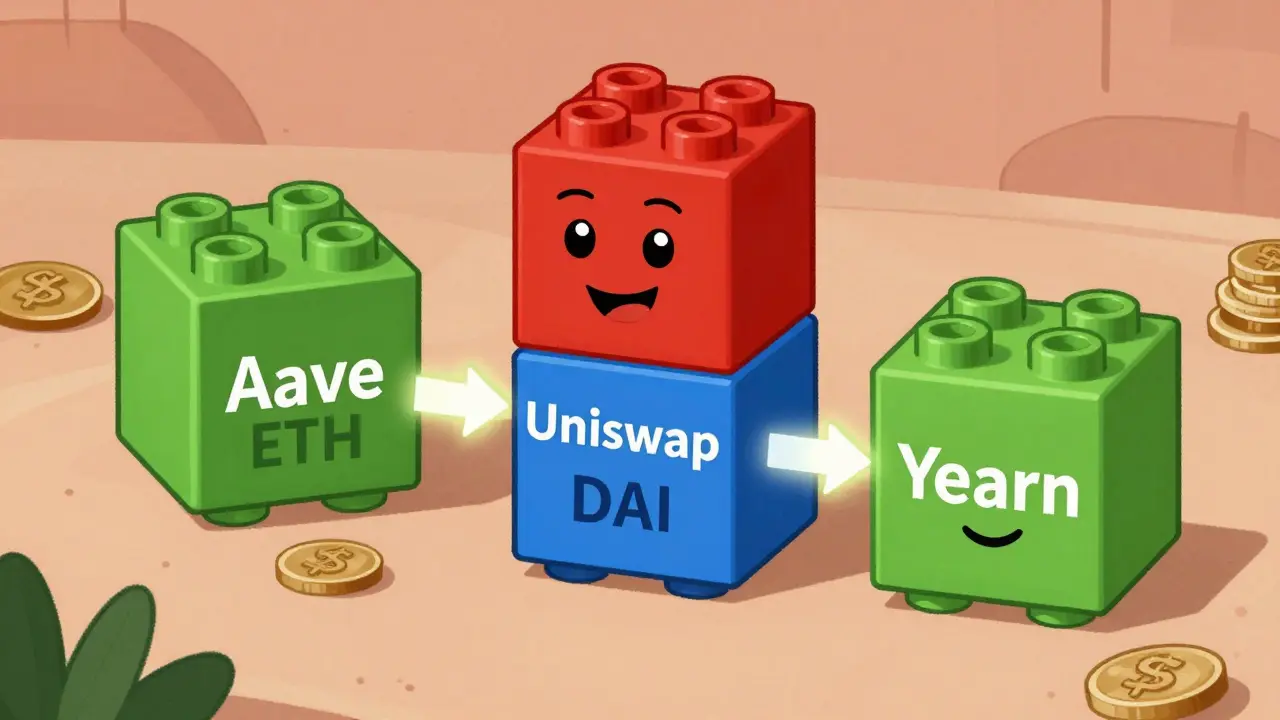
This programmability allows for the creation of decentralized applications (dApps) software programs that run on a blockchain network rather than centralized servers. These dApps can be anything from lending platforms where you earn interest on your savings, to gaming worlds where you truly own your virtual items, to art marketplaces for non-fungible tokens (NFTs).
Key Examples: Ethereum and Solana
While there are dozens of platform cryptocurrencies, two stand out as the leaders in this space: Ethereum and Solana. Comparing them helps illustrate the trade-offs developers face.
| Feature | Ethereum | Solana |
|---|---|---|
| Primary Focus | Security and Decentralization | Speed and Low Cost |
| Native Token | Ether (ETH) | SOL |
| Transaction Speed | ~15-30 transactions per second | Up to 65,000 transactions per second |
| Consensus Mechanism | Proof of Stake | Proof of History + Proof of Stake |
| Best For | Complex DeFi protocols, large institutions | High-frequency trading, gaming, micro-payments |
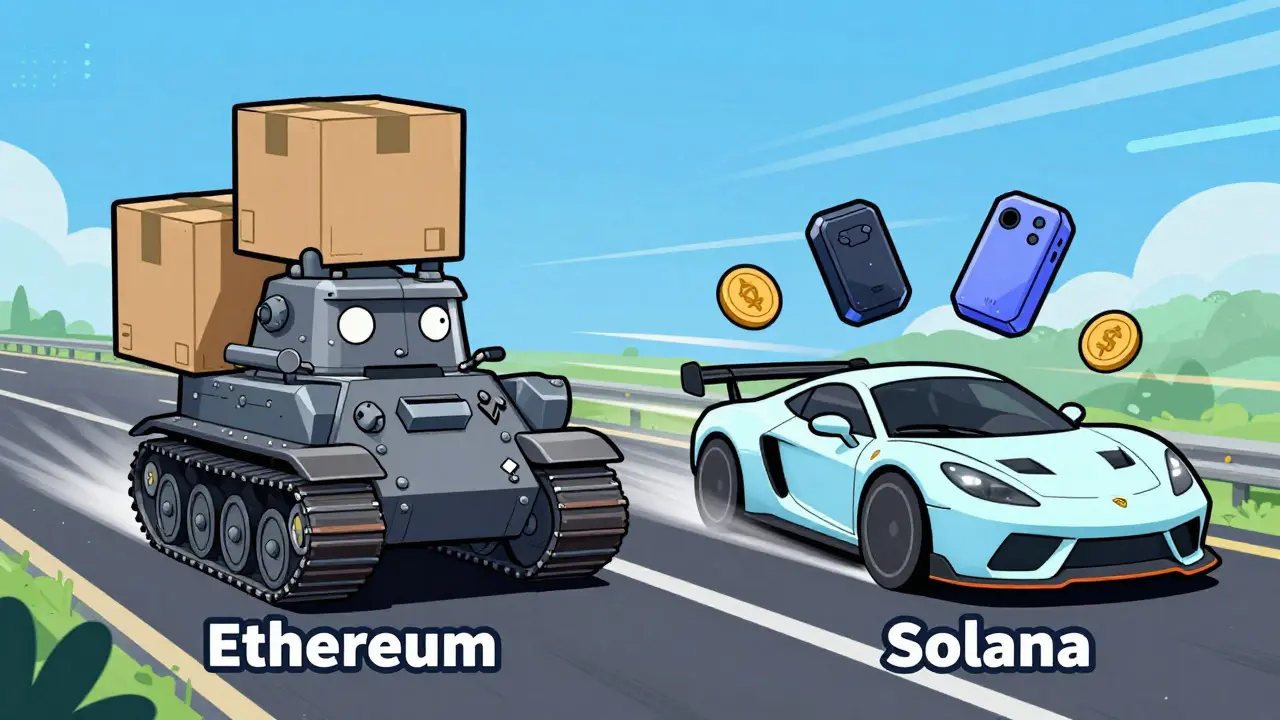
Ethereum is the most prominent smart contract platform globally, enabling complex transactions and hosting the largest ecosystem of decentralized applications. It was the first to popularize the concept of a programmable blockchain. Because it has been around longer, it has the most developers, the most security, and the highest total value locked in its financial applications. However, this popularity comes with a cost: transaction fees can be high during busy times, and speeds are slower compared to newer rivals.
Solana is a public blockchain optimized for speed and cost efficiency, capable of handling thousands of transactions per second with minimal fees. Solana was built to solve Ethereum’s scalability issues. By using a unique combination of Proof of History and Proof of Stake, it achieves incredible speed. This makes it ideal for applications that require rapid processing, like high-frequency trading bots or real-time video game interactions. The trade-off is that it has historically faced more stability challenges than Ethereum, though recent updates have significantly improved its reliability.

The Role of Native Tokens
You might wonder why each platform needs its own coin. Why can’t we just use Bitcoin or US Dollars to pay for services on Ethereum?
The native token serves three critical functions:
- Paying for Computation: Every time a smart contract runs, it uses computer power from the network’s nodes. Users must pay a fee (called gas on Ethereum) in the native token to cover this energy and storage cost.
- Securing the Network: Most platform cryptocurrencies use a Proof of Stake a consensus mechanism where users lock up their tokens to validate transactions and secure the network model. To become a validator, you must stake (lock up) a certain amount of the platform’s token. If you act maliciously, you lose your stake. This aligns everyone’s incentives to keep the network safe.
- Governance: In many cases, holding the token gives you a vote on how the platform evolves. If the community wants to change a rule or upgrade the software, token holders participate in the decision-making process.
Why This Matters for the Future
The shift from payment-only blockchains to platform cryptocurrencies represents a fundamental change in how we interact with the internet. We are moving from Web2, where companies like Google and Facebook control your data and services, to Web3, where you own your digital identity and assets.
Platform cryptocurrencies enable this by removing the need for trust in central authorities. You don’t need to trust a bank to hold your money; you trust the math and the code. You don’t need to trust a cloud provider to host your app; you trust the distributed network of nodes.
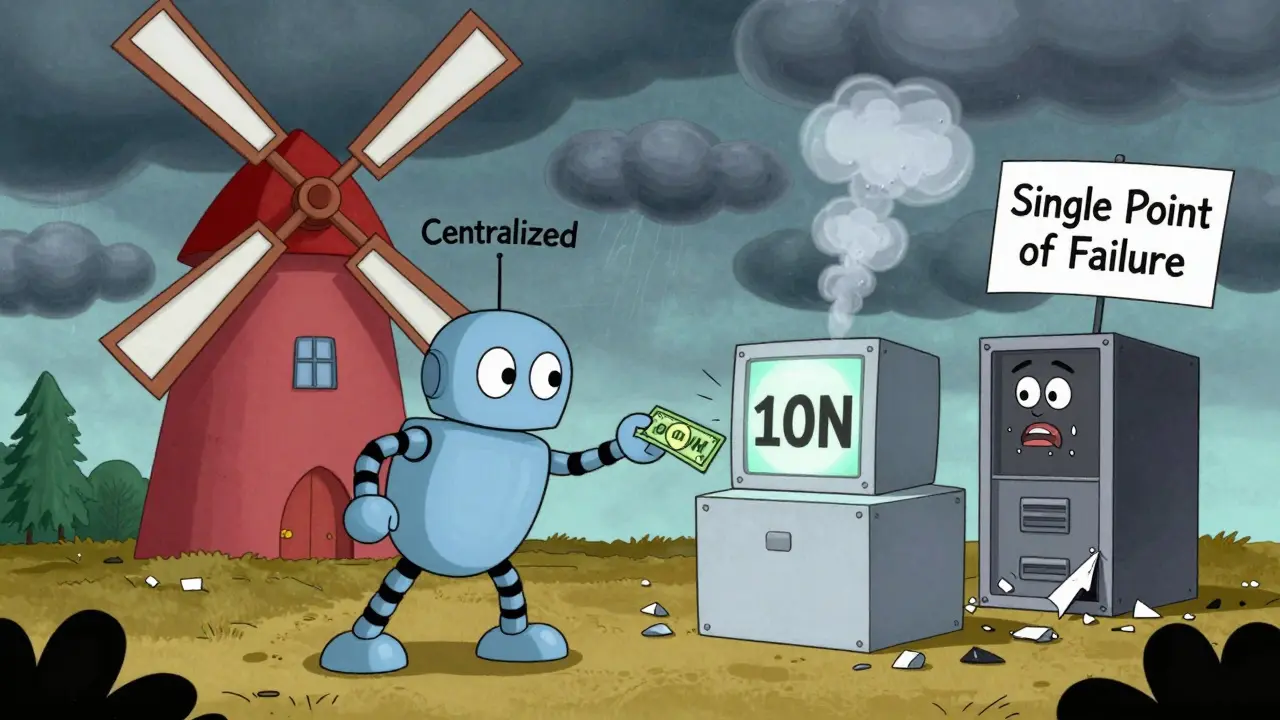
This decentralization creates resilience. No single company can shut down a decentralized application built on Ethereum or Solana unless the entire global network agrees to do so. This opens up possibilities for censorship-resistant finance, transparent supply chains, and user-owned social media platforms.
Challenges and Risks
It’s not all smooth sailing. Platform cryptocurrencies face significant hurdles.
Scalability remains a major issue. As more people use these platforms, networks can get congested, leading to higher fees and slower transactions. While solutions like Layer 2 scaling (building faster networks on top of the main chain) are helping, it adds complexity for users.
User Experience is still clunky. Managing private keys, understanding gas fees, and navigating wallet interfaces is difficult for the average person. Until these tools become as easy to use as email, mass adoption will remain limited.
Regulatory Uncertainty looms large. Governments are still figuring out how to classify and regulate these platforms. Changes in laws could impact how developers build apps or how users access them.
Getting Started with Platform Cryptocurrencies
If you want to explore this space, here is a practical path forward:
- Learn the Basics: Understand what a wallet is. A cryptocurrency wallet a digital tool that stores public and private keys used to send, receive, and manage cryptocurrency is your gateway to the ecosystem. Popular options include MetaMask for Ethereum and Phantom for Solana.
- Start Small: Buy a small amount of ETH or SOL. Don’t invest money you can’t afford to lose. Use it to pay for transaction fees on test networks first.
- Try a dApp: Visit a decentralized exchange like Uniswap or Raydium. Swap one token for another. Notice how fast it is and how much you paid in fees.
- Stay Secure: Never share your private keys or seed phrases. If someone asks for them, they are scamming you. Use hardware wallets for larger amounts.
Platform cryptocurrencies are more than just speculative assets. They are the foundation of a new digital economy. By understanding how they work, you’re not just learning about crypto-you’re learning about the future of the internet itself.
What is the difference between a platform cryptocurrency and Bitcoin?
Bitcoin is primarily a digital currency designed for storing value and making payments. Platform cryptocurrencies like Ethereum or Solana are ecosystems that allow developers to build applications, such as decentralized finance (DeFi) platforms or games, on top of their blockchain. Bitcoin is like digital cash; platform cryptocurrencies are like digital operating systems.
What are smart contracts?
Smart contracts are self-executing programs stored on a blockchain. They automatically enforce the terms of an agreement when predefined conditions are met. For example, a smart contract can release funds to a seller only after a buyer confirms receipt of goods, eliminating the need for a third-party escrow service.
Why do I need to buy ETH or SOL to use these platforms?
You need the native token to pay for transaction fees (gas). Every time you interact with a dApp or transfer funds, you use computational resources from the network. Paying in the native token incentivizes validators to secure the network and prevents spam attacks. Additionally, these tokens are often used for staking to help secure the blockchain.
Is it safe to use platform cryptocurrencies?
The underlying blockchain technology is highly secure due to cryptography and decentralized consensus. However, risks exist in the form of smart contract bugs, phishing scams, and user error (like losing private keys). Always use reputable wallets, verify URLs carefully, and never share your seed phrase. Start with small amounts to learn the interface.
What is Proof of Stake?
Proof of Stake (PoS) is a consensus mechanism where validators are chosen to create new blocks based on the amount of cryptocurrency they hold and are willing to 'stake' as collateral. This is more energy-efficient than Bitcoin's Proof of Work, which requires massive computing power. Most modern platform cryptocurrencies use PoS or variations of it.

Ashley Rodriguez
May 9, 2026 AT 08:24i really think this is such a helpful way to look at it because most people just see crypto as gambling but when you break it down like an operating system it makes so much more sense to me and i feel like if we can all understand that basic distinction then maybe the whole industry will start making more sense to regular folks who are just trying to figure out where their money goes
it is kind of overwhelming though with all the different chains and tokens flying around but knowing that ethereum is basically the secure foundation while solana is trying to be the fast highway helps me visualize why developers choose one over the other for their specific projects
Bridget Coogle
May 11, 2026 AT 00:57love this explanation
so simple yet so profound
we need more guides like this
Zara Zaman
May 12, 2026 AT 15:10this is all nonsense designed to steal your savings
american innovation should not be about these digital toys
real wealth comes from real assets not code written by anonymous hackers hiding behind screens
stop pretending this technology has any merit beyond speculation
Larry Port
May 13, 2026 AT 16:31the comparison to an operating system is actually quite accurate when you think about the underlying architecture
bitcoin was indeed built as a ledger first and foremost whereas ethereum introduced the concept of turing complete computation on chain which opened up entirely new possibilities for decentralized applications
however i would argue that the tradeoff between security and speed is often overstated in marketing materials
solana's proof of history mechanism is clever but it introduces centralization risks that many casual users do not fully appreciate
when a network relies on high end hardware to validate blocks you inevitably end up with fewer validators and thus less decentralization than ethereum currently offers
Jocelyn Garcia
May 14, 2026 AT 05:22the gas fee mechanics on eth mainnet are still a pain point for microtransactions
layer two solutions like arbitrum and optimism are solving this but the user experience remains fragmented
solana's throughput is impressive on paper but the historical outages suggest stability issues persist under heavy load
Amit Varpe
May 15, 2026 AT 02:06india is leading the way in blockchain adoption despite regulatory hurdles :)
ethereum is great but solana is faster and cheaper for everyday use
why pay high fees when you dont have to
Bronwen Butler
May 16, 2026 AT 09:06everyone says solana is faster but they ignore the fact that it is essentially a centralized database disguised as a blockchain
ethereum may be slower but it is truly decentralized
speed means nothing if the network is controlled by a handful of entities
also the claim that smart contracts remove intermediaries is misleading because the code itself becomes the intermediary and bugs in code cost billions
Pauline Larocco71
May 16, 2026 AT 17:30i tried using metamask last week and got so confused by all the warnings
is it safe to connect my wallet to random dapps
i am worried about losing my keys
can someone explain how hardware wallets work in simple terms please
beti macedo
May 18, 2026 AT 01:35it is imperative that individuals exercise due diligence before engaging with any decentralized platform
the volatility associated with native tokens poses significant financial risk
one must consider the long term viability of the consensus mechanism
proof of stake is energy efficient but does it compromise security
these are questions that require deep analysis rather than superficial understanding
Michelle Bonahoom
May 19, 2026 AT 20:00another day another crypto scam waiting to happen
people are so gullible they believe these platforms will replace banks
banks have existed for centuries for a reason
crypto is just a bubble that keeps popping
i refuse to waste my time on this garbage
Matt Davis
May 20, 2026 AT 02:09the entire premise of web3 is fundamentally flawed
you cannot simply replace institutional trust with code because code is written by humans who make mistakes
ethereum is bloated and inefficient
solana is a fragile experiment
neither represents the future of finance
they represent the past of speculative manias dressed up in tech jargon
do not fall for the hype
Albert Lee
May 21, 2026 AT 17:48i completely understand the frustration some of you feel
but imagine the potential if we could build financial systems that are accessible to everyone regardless of location or status
ethereum has shown us that smart contracts can automate complex agreements without intermediaries
this is not just about money
it is about sovereignty and control over our own digital lives
let us keep learning and supporting each other as we navigate this new landscape
Ankush Pokarana
May 21, 2026 AT 23:59the philosophical implication of removing intermediaries is profound
when we entrust our value to code rather than institutions we shift the locus of trust from social constructs to mathematical certainty
this requires a fundamental rethinking of what constitutes security and reliability
solana attempts to optimize for speed but in doing so it sacrifices some degree of decentralization which is a core tenet of the original cypherpunk ethos
ethereum maintains its position as the most secure settlement layer precisely because it prioritizes decentralization over raw performance
this tension between scalability and security is the defining challenge of our era
Bianca Vilas Boas Lourenço
May 23, 2026 AT 09:37oh my god you guys are so dramatic 😩
just buy some eth and stop arguing
it is either going to moon or crash and burn
either way we lose nothing but time 🙄
send help
Yash Lodha
May 25, 2026 AT 04:44have you considered that the major exchanges are manipulating the price of these tokens to create liquidity for their own hedging strategies
the narrative of decentralization is a smokescreen designed to distract retail investors from the fact that venture capital firms hold the majority of supply
smart contracts are not neutral
they are tools of control encoded by those who benefit from the current power structure
trust no one especially not the code
Jesse Alston
May 26, 2026 AT 12:59hey there 👋
great question about hardware wallets
a hardware wallet like ledger or trezor stores your private keys offline
this means even if your computer gets hacked the attacker cannot access your funds without physically stealing the device
it is like having a safe deposit box that only opens with a key you never leave home
highly recommended for anyone holding more than they can afford to lose 🛡️
Sarah C
May 26, 2026 AT 13:19i found this guide very helpful for understanding the basics
thank you for breaking it down so clearly
i am going to try setting up a phantom wallet soon
Kimberly Herbstritt
May 28, 2026 AT 11:32i respectfully disagree with the notion that ethereum is superior just because it is older
innovation favors the agile not the established
solana is eating ethereum's lunch in terms of user growth and developer activity
look at the data not the legacy
Sharada Vakkund
May 29, 2026 AT 17:15let us welcome newcomers to this space with open arms
understanding platform cryptocurrencies is crucial for financial literacy in the modern world
whether you prefer ethereum or solana the important thing is to learn how the technology works
join our community discussions and ask questions freely
we are here to support each other
Sudarshan Anbazhagan
May 30, 2026 AT 14:09the assertion that platform cryptocurrencies are merely infrastructure ignores the speculative nature of their native tokens
most participants are not interested in the technological merits but rather the price appreciation potential
this creates a misalignment of incentives that threatens the long term sustainability of these networks
furthermore the environmental impact of proof of work versus proof of stake debates often overlooks the broader ecological costs of data centers required to run these nodes
one must remain skeptical of grand claims regarding decentralization until proven otherwise through rigorous empirical study