
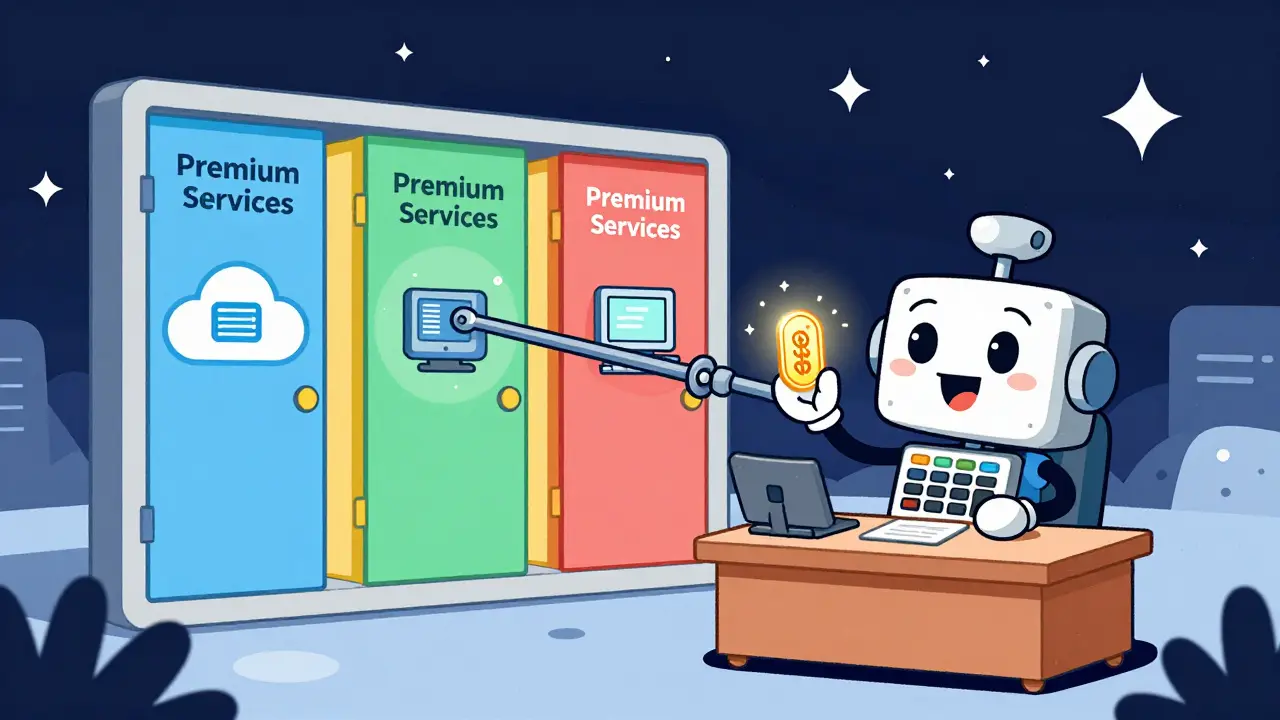
Imagine walking into a high-end gym where you don't pay a monthly subscription in cash, but instead, you hold a digital key that unlocks the sauna, the weights room, and the personal trainers. If you have the key, you get in; if you don't, the door stays locked. This is essentially how utility tokens work in the digital world. They aren't just coins you hold hoping the price goes up; they are functional tools designed to give you specific rights and access within a digital ecosystem.
What Exactly Are Utility Tokens?
At its core, a Utility Token is a digital asset that grants the holder access to a specific product or service provided by the issuer. Unlike a stock share in a company, holding a utility token doesn't mean you own a piece of the business. Instead, it's more like a prepaid voucher or a membership card. If you have the token, you can use the service. Simple as that.
These tokens live on a Blockchain, which is a distributed ledger that keeps a permanent record of who owns what. This means the "key" cannot be forged, and the platform knows exactly when you've paid for a service or earned a reward. By removing the middleman, these tokens allow for a direct relationship between the service provider and the user.
How Utility Tokens Unlock Services
Utility tokens don't just sit in a wallet; they trigger actions. The magic happens through Smart Contracts, which are self-executing contracts with the terms of the agreement written directly into code. When a smart contract sees that you've sent a specific amount of tokens to a designated address, it automatically "unlocks" the service for you without needing a human manager to approve the request.
Here are the most common ways these tokens provide access:
- Premium Feature Access: Some platforms keep their best tools behind a "token wall." To use the advanced analytics or high-speed features, you must hold or spend a certain number of tokens.
- Payment for Resources: In decentralized networks, tokens act as the currency for the specific resource being offered, such as storage space or computing power.
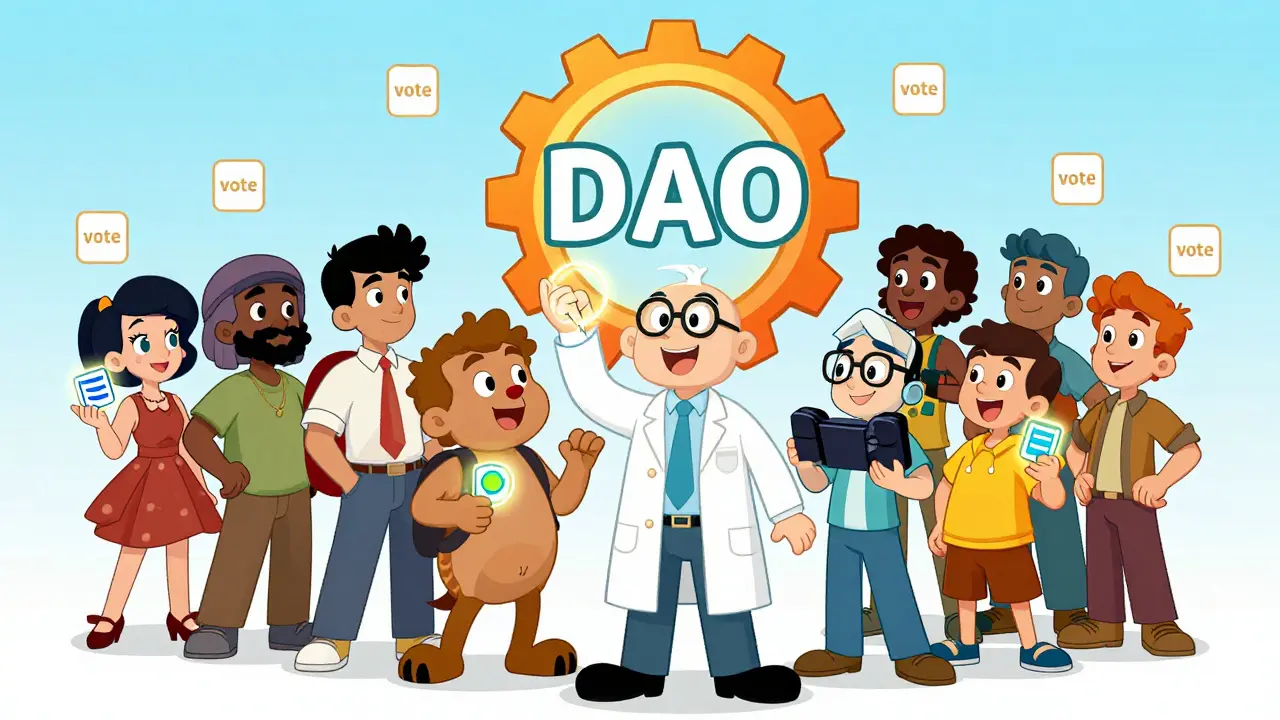
- Governance Rights: In many projects, holding tokens gives you a vote in a DAO (Decentralized Autonomous Organization). This allows you to decide how the project evolves, where the funds go, and what new features should be added.
- Incentive Rewards: Platforms often give tokens to users who help the network grow, such as people who provide data or moderate content, creating a circular economy.
Real-World Examples of Utility in Action
To see how this works in the wild, let's look at a few projects that have moved beyond theory into actual service delivery. These aren't just "coins"; they are tools for specific jobs.
| Token | Service Provided | How it Works |
|---|---|---|
| Filecoin | Decentralized Storage | Users pay tokens to store files across a global network of providers. |
| Basic Attention Token (BAT) | Privacy-focused Ads | Users earn BAT for viewing ads; advertisers spend BAT to reach users. |
| Golem (GLM) | Computing Power | Rents out unused CPU/GPU power from other computers for heavy tasks. |
| Enjin Coin (ENJ) | Gaming Assets | Provides the infrastructure to create and trade unique in-game items. |
Take Filecoin, for example. If you need to store a massive amount of data but don't want to rely on a single company like Amazon or Google, you use Filecoin. You exchange tokens for storage space, and the blockchain ensures that the provider actually keeps your data safe. It's a direct trade: tokens for storage.
Utility Tokens vs. Security Tokens: Why the Difference Matters
You'll often hear people talk about "security tokens." It's easy to get them confused, but the difference is huge, especially when it comes to the law. A security token is like a digital share of a company; it's an investment meant to make you money through dividends or the growth of the company's value.
Utility tokens, however, are about use. If you buy a ticket to a concert, you aren't buying a piece of the concert venue; you're buying the right to enter and watch the show. That's a utility. Because utility tokens aren't meant to be investment vehicles, they generally face lighter regulatory requirements. However, this can get murky. If a project promises that a utility token will "go to the moon" to attract investors, regulators might start treating it like a security, which can lead to heavy fines or the project being shut down.
The Benefits of a Token-Based Access Model
Why go through the trouble of creating a token when you could just use a credit card or a monthly subscription? For many platforms, the token model offers several advantages that traditional payments can't match.
First, it's incredibly efficient. By using smart contracts, platforms remove the need for payment processors, banks, and the fees that come with them. This makes peer-to-peer transactions faster and cheaper. Second, it creates a global ecosystem. A user in rural Vietnam can access the same computing power as someone in New York without worrying about currency exchange rates or international banking restrictions.
Third, it aligns the users' interests with the project's success. When users hold tokens to access services, they become stakeholders in the ecosystem's health. If the platform improves and more people use the services, the utility of the token increases, which benefits everyone involved. It turns a passive customer into an active community member.
Common Pitfalls and Risks
While the model is powerful, it's not without risks. The most obvious one is volatility. If the price of a utility token swings wildly, the cost of accessing the service can become unpredictable. For instance, if a storage service costs 10 tokens, and the price of those tokens triples overnight, the service suddenly becomes much more expensive for new users.
There's also the risk of "vaporware." Some projects launch tokens through an ICO (Initial Coin Offering) promising amazing services that never actually get built. Users end up holding a "key" to a door that doesn't exist. This is why it's crucial to look for a working product (a Minimum Viable Product or MVP) before committing to a utility token.
The Road Ahead for Digital Access
As we move deeper into the era of Web3, we'll likely see utility tokens move beyond just "paying for things." We're seeing the rise of complex access tiers, where holding different amounts of tokens unlocks different levels of service, similar to how airline loyalty programs work today but handled entirely by code.
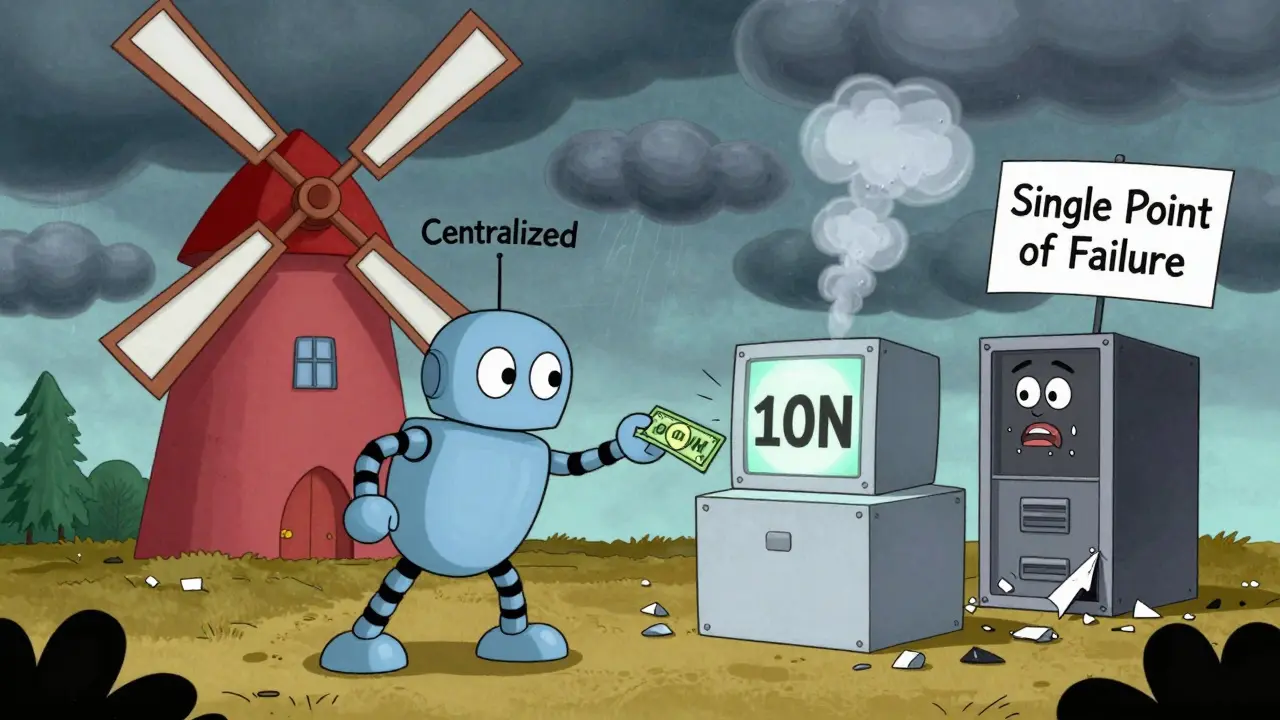
We are also seeing more integration between different ecosystems. Imagine a world where a token from one decentralized app grants you a discount in another, creating a web of interconnected services. As regulations become clearer, more established businesses will likely adopt these models to manage their memberships and service access without relying on centralized databases that are prone to hacks.
Do I need to be a crypto expert to use utility tokens?
Not at all. While the backend uses blockchain and smart contracts, the user experience is becoming as simple as using any other app. You generally just need a digital wallet (like MetaMask) and the specific tokens required by the platform you want to use.
Can a utility token become a security token?
Yes, in the eyes of regulators. If a token is marketed as an investment to earn profits from the efforts of others, rather than a tool to access a service, it may be reclassified as a security. This is why projects are careful about how they describe their tokens.
What happens if the project fails?
Since utility tokens provide access to a specific service, if that service disappears, the token loses its primary purpose. Unlike a company share, there is usually no legal claim to the project's remaining assets unless specifically stated in a contract.
How do I get utility tokens?
Most utility tokens are available on cryptocurrency exchanges. Some are distributed during IDOs (Initial Dex Offerings) or earned through participation in the platform's ecosystem, such as staking or completing specific tasks.
Is holding a utility token the same as staking?
Not necessarily. Holding is simply owning the token. Staking involves "locking up" your tokens for a period to support the network's security or operations in exchange for rewards. Both can provide access, but staking is an active process.
Next Steps for Users
If you're looking to explore utility tokens, start by identifying a service you actually need-be it decentralized storage, computing, or a specific gaming feature. Look for the project's whitepaper to see exactly what the token unlocks and how the smart contracts handle access. Avoid projects that focus solely on price predictions and instead look for those with a clear, functional use case.
For those building platforms, consider whether a token actually adds value. If a simple login and credit card payment work better, a token might just be unnecessary complexity. But if you're building a global, decentralized network where users need to be incentivized, a utility token is one of the most powerful tools in your kit.
Alex Hunter
April 22, 2026 AT 13:55Getting into this stuff can feel like climbing a mountain, but once you realize it's just about utility, the whole landscape shifts. I've always found that focusing on the actual service provided, rather than the price chart, is the only way to survive in this space without losing your mind.
Doc Coyle
April 23, 2026 AT 18:10It's pretty basic. Most people just don't get that if it's not a service, it's a security. Not that hard to understand if you actually read a book.
Caiaphas Konkol
April 23, 2026 AT 23:56The notion that this is "efficient" is laughable to anyone who understands the actual architecture of surveillance capitalism. These so-called decentralized ledgers are just another way for the technocratic elite to gatekeep access while pretending we're all liberated from the banks. It's a shell game, plain and simple, designed to funnel liquidity into projects that serve the interests of the same power structures they claim to replace. I've seen the whitepapers; they're just fancy brochures for a digital panopticon where your "utility" is measured by how well you obey the protocol.
Candace Sherrard
April 25, 2026 AT 12:45There is something deeply poetic about the idea of a digital key, yet I cannot help but wonder if we are merely swapping one form of invisible bondage for another in our quest for autonomy. When we speak of a circular economy, we are essentially dreaming of a closed loop where value is defined by the walls of the ecosystem itself, which makes me contemplate whether true freedom exists within a system governed by an immutable code that lacks the capacity for human mercy or nuance. It feels as though we are building a cathedral of logic in a world that is fundamentally chaotic and emotional, and while the efficiency is undeniable, the sterile nature of a smart contract that executes without a heartbeat makes me wonder what we lose when we remove the human middleman entirely. Perhaps the friction we hate in traditional banking is actually where the most human parts of our social interactions reside, and by smoothing everything over with tokens, we are accidentally erasing the very grit that makes society feel real and tangible. It is a fascinating trade-off, trading the messy reliability of people for the cold certainty of a blockchain, and I suspect we won't fully understand the cost of that bargain for several more decades.
Mike Krasner
April 26, 2026 AT 15:11imagine thinking a smart contract actually makes things faster lol just more ways to lose your money to a bug in the code
Gloris Young
April 27, 2026 AT 17:28Love this breakdown! Super helpful for anyone just starting out. 🚀
Kyle Bush
April 28, 2026 AT 04:25SICK GUIDE!! 🇺🇸🇺🇸 WE NEED THIS TECH TO DOMINATE THE GLOBE!! BUY THE DIP!!! 🚀🔥💰
Miranda Jamieson
April 29, 2026 AT 03:00Anyone who actually thinks the average person can handle a MetaMask wallet without getting phished is delusional. It's high time we stopped pretending this is "user friendly" just because a few bloggers say so.
Jagdish Sutar
April 29, 2026 AT 14:58This is a wonderful way to explain complex concepts. It's great to see how these tools can bridge gaps between different countries and economies, making resources like computing power accessible to everyone regardless of where they are born.
Matthew Morse
May 1, 2026 AT 06:56basically just a digital coupon
Ellie Drews
May 2, 2026 AT 23:45I really appreciate how this explains the difference between security and utility tokens. It helps clear up a lot of the confusion for people who are just curious about the space!
Jennifer L
May 4, 2026 AT 14:14Oh my goodness, the volatilitty is just so terrifing!! I can't imagine payng for storrage and then waking up to find it cost double!! Its just too much stress for me!! 😭
Kathleen Bergin
May 6, 2026 AT 09:50A security token is an investment and a utility token is for using things. It's not that complicated.
Charlie Queen
May 7, 2026 AT 13:23The Filecoin example is a game changer for data sovereignty! 🌐✨ Love seeing the world become more open.
Paige Raulerson
May 9, 2026 AT 09:00The comparison to a gym membership is a bit reductive, isn't it? It's barely scratching the surface of the actual tokenomic implications.
Guy Bianco
May 10, 2026 AT 03:03I would suggest focusing on the whitepaper as mentioned; it provides the necessary rigor to avoid the pitfalls discussed here. :)
praveen subbiah
May 12, 2026 AT 01:47INDIA IS LEADING THE WAY IN BLOCKCHAIN ADOPTION! 🇮🇳 THE POTENTIAL FOR UTILITY TOKENS HERE IS ABSOLUTELY MASSIVE AND BEYOND IMAGINATION!!