
Imagine spending years developing a breakthrough invention, only to lose control of it because the paperwork got lost in a bureaucratic shuffle. Or worse, someone else claims they invented it first, and you have no digital proof to back up your timeline. For decades, this was the reality for many innovators. Traditional patent management is a complex administrative process involving registration, tracking, licensing, and enforcement of intellectual property rights has been slow, expensive, and opaque. But in 2026, that’s changing fast. Enter blockchain.
Blockchain isn’t just for cryptocurrency anymore. It’s becoming the backbone of how we protect ideas. By using decentralized ledgers, companies and inventors can create unchangeable records of ownership, automate royalty payments, and speed up the entire lifecycle of an invention. This shift addresses the biggest pain points in intellectual property (IP): trust, transparency, and time.
Why Traditional Patent Systems Are Failing
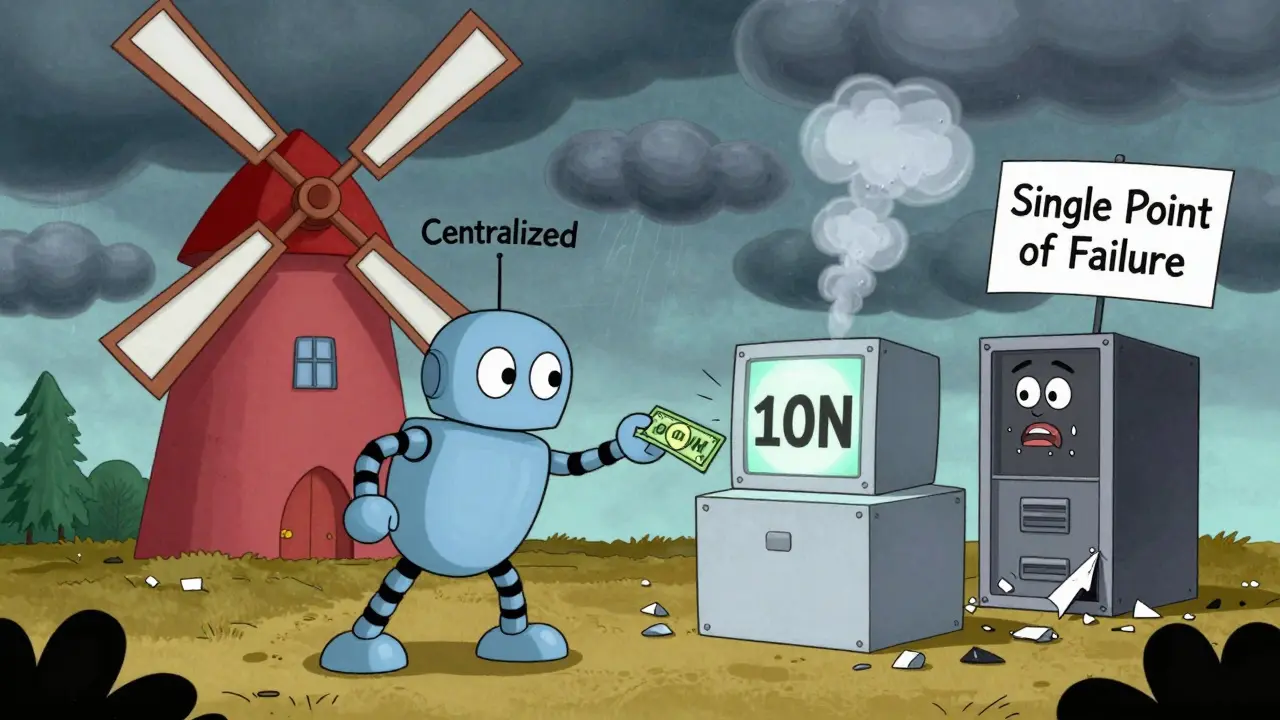
Let’s be honest: the current system is broken. You file a patent application with agencies like the U.S. Patent and Trademark Office (USPTO) is the federal agency responsible for granting patents and registering trademarks in the United States or the European Patent Office. Then you wait. And wait. The process involves redundant checks, high fees, and physical documents that can get misplaced. More importantly, once a patent is granted, tracking who licenses it, who infringes on it, and whether royalties are paid correctly is a nightmare.
Data shows the scale of the problem. Between 2015 and 2018 alone, the European Patent Office saw a 220% increase in blockchain-related patent filings. That surge wasn’t just about tech trends; it was a reaction to the inefficiencies of the old model. Inventors realized that if their technology is digital and global, their protection mechanism should be too. Centralized databases don’t cut it when your product is used across borders instantly.
How Blockchain Fixes the Trust Gap
So, what does blockchain actually do here? At its core, blockchain technology is a distributed ledger system that records transactions across multiple computers so that the record cannot be altered retroactively without altering all subsequent blocks creates a permanent, tamper-proof history. When you register a patent or a creative work on a blockchain, you aren’t uploading the entire blueprint or song. Instead, you upload a cryptographic hash-a unique string of letters and numbers that acts like a digital fingerprint.
This hash links to the previous block in the chain. If anyone tries to change the original data, the hash changes, breaking the link. Everyone on the network sees the break immediately. This provides immutable proof of existence. You can prove you had this idea on this specific date, long before you filed the official government paperwork. This is huge for establishing prior art and defending against theft.
The World Intellectual Property Organization (WIPO) is a specialized agency of the United Nations dedicated to promoting the protection of intellectual property worldwide has recognized this potential. They emphasize that patent strategies must now account for the decentralized nature of these technologies. It’s no longer enough to just file in one country; you need a strategy that leverages blockchain’s global visibility.
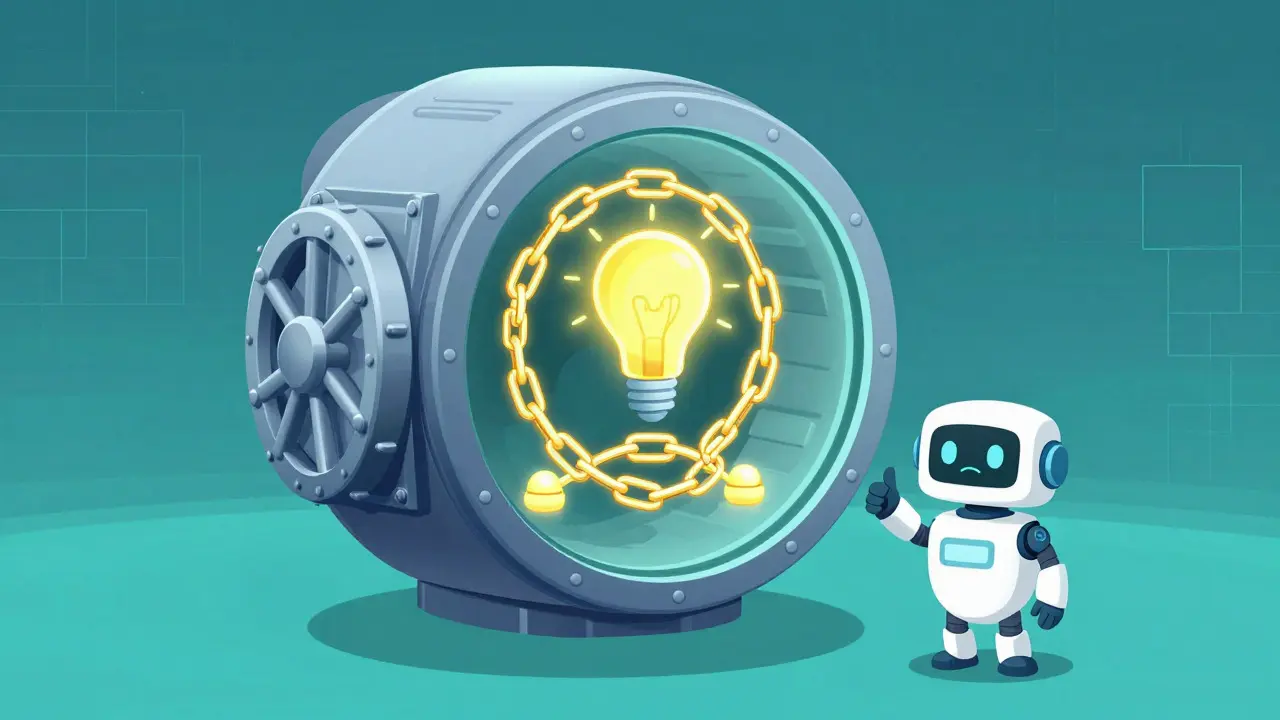
Smart Contracts: Automating Royalties and Licensing
Here is where things get really interesting. Beyond just recording ownership, blockchain enables smart contracts are self-executing contracts with the terms of the agreement directly written into code. Think of these as automatic vending machines for legal agreements. You set the rules upfront: "If Company A uses this patented component, pay $0.05 per unit to the inventor's wallet."
No lawyers needed for every single transaction. No chasing invoices. When the condition is met-say, a license key is activated-the payment happens instantly. This creates an auditable trail for every use case. For creators, this means getting paid faster and more accurately. For companies, it reduces the overhead of managing thousands of small licensing deals.
Anne Rose, an expert at Mishcon de Reya, notes that this automation transforms registration processes by enhancing cost-effectiveness and speed. Imagine a musician releasing a track. Every time it’s streamed, the smart contract splits the revenue between the artist, producer, and label automatically. Now apply that logic to industrial patents. The efficiency gains are massive.
The Legal Hurdles: Eligibility and Jurisdiction
It’s not all smooth sailing, though. The biggest challenge right now is legal eligibility. In the U.S., patent law under 35 U.S.C. §101 requires inventions to be eligible subject matter. A 2022 study by the Berkeley Technology Law Journal highlighted significant confusion around whether blockchain implementations themselves are patentable or if they fall under abstract ideas.
You can’t just patent "using blockchain." You need to show a specific technical improvement. This makes drafting applications harder. Furthermore, interoperability is a major issue. Different countries have different laws. A patent registered on a blockchain in Germany might not be easily enforceable in Japan unless there’s a unified legal framework.
This is why the Standardization and Interoperability Protocol (SIP) is gaining attention. It aims to create a unified global patent system using blockchain. Until then, businesses need cross-border protection strategies. You can’t rely on one jurisdiction. You need a multi-layered approach that harmonizes legal systems across nations.
| Feature | Traditional System | Blockchain-Enabled System |
|---|---|---|
| Record Keeping | Centralized, paper-heavy, prone to loss | Decentralized, immutable, cryptographically secured |
| Ownership Transfer | Manual, slow, requires intermediaries | Automated via smart contracts, instant verification |
| Royalty Payments | Monthly/quarterly invoicing, high dispute rate | Real-time micro-payments, transparent audit trails |
| Global Access | Limited by national borders and language barriers | Borderless access, standardized digital format |
| Cost Efficiency | High administrative and legal fees | Lower overhead, reduced need for middlemen |

Integration with AI and IoT
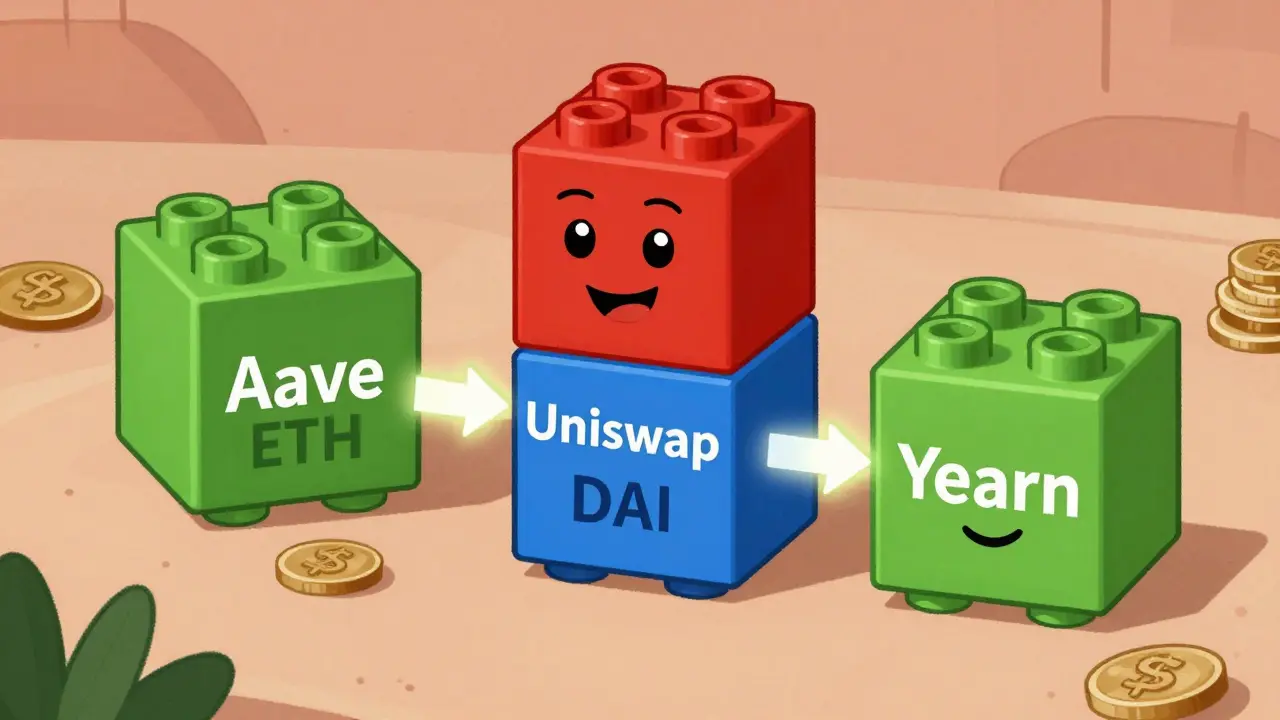
Blockchain doesn’t exist in a vacuum. In 2026, it’s increasingly intertwined with Artificial Intelligence (AI) and the Internet of Things (IoT). This convergence creates new complexities for patent management. An AI algorithm trained on patented data needs clear licensing terms. An IoT device that updates itself over-the-air needs to verify its software licenses in real-time.
Current blockchain patent applications often share technical complexity with these sectors. For example, a smart factory might use IoT sensors to monitor equipment protected by a patent. Blockchain records the usage data, while AI analyzes it for maintenance needs. Protecting the IP in this ecosystem requires a holistic strategy. You aren’t just protecting a static document; you’re protecting a dynamic, connected workflow.
Industry authorities stress that patent portfolios must address these intersections. If you’re filing for a blockchain-based supply chain solution, you also need to consider the AI analytics layer and the IoT hardware integration. This demands international filing strategies due to the global nature of these technologies.
Future Outlook: Standardization and Global Harmony
Where is this heading? The future lies in standardization. We are moving toward a world where patent offices worldwide explore pilot programs for blockchain-based registration systems. The goal is to reduce legal disputes and facilitate international IP rights transactions.
The Legal Harmonization and Framework Integration (LHF) element is critical here. It targets the creation of legal-tech interfaces that manage IP issues through standardized frameworks combined with blockchain capabilities. This means clearer protocols for proof verification and evidence admissibility in court.
For businesses, the takeaway is clear: start integrating now. Don’t wait for perfect regulations. Build your IP strategy around transparency and automation. Use blockchain to timestamp your innovations, automate your licensing, and prepare for a global market where trust is coded, not assumed.
Is blockchain patent management legally binding?
Currently, it depends on the jurisdiction. While blockchain provides strong technical evidence of existence and ownership, courts still need to recognize this digital evidence as admissible. Many countries are updating their laws to accept blockchain records, but it is not yet universally binding without traditional legal documentation.
Can I patent a blockchain technology itself?
Yes, but it is challenging. Under U.S. law (35 U.S.C. §101), you must demonstrate a specific technical improvement rather than just an abstract idea. Successful patents usually focus on novel consensus mechanisms, encryption methods, or specific applications that solve concrete technical problems.
How do smart contracts handle royalty disputes?
Smart contracts execute based on predefined code, which minimizes human error and bias. However, disputes can arise if the code doesn't match the intent of the agreement. To mitigate this, experts recommend using oracle services to feed real-world data into the contract and maintaining clear off-chain legal agreements that reference the smart contract terms.
What is the role of WIPO in blockchain patents?
The World Intellectual Property Organization (WIPO) provides guidelines and frameworks for implementing blockchain in IP management. They help harmonize standards across countries and offer resources for understanding how decentralized technologies fit into existing international patent treaties.
Is my invention safe from theft if I put it on a blockchain?
Blockchain secures the record of ownership and timing, not the secrecy of the invention itself. Once hashed on the public ledger, the fact of your claim is visible. Therefore, you should still follow traditional non-disclosure agreements (NDAs) and careful disclosure practices until your patent is officially granted by a government authority.
Ed Wallace
August 5, 2026 AT 04:10It is fascinating to consider how the very nature of ownership is shifting from a physical concept to a digital one. We are essentially coding trust into the fabric of society, which feels both liberating and slightly dystopian depending on your perspective. The idea that a cryptographic hash can serve as the ultimate proof of existence is a profound philosophical shift for legal systems that have relied on paper trails for centuries. It makes you wonder if we are moving towards a world where truth is algorithmic rather than adjudicated by humans.
Lorraine Surringer
August 6, 2026 AT 00:11honestly this whole blockchain thing is just another way for tech bros to make money off ideas that belong to everyone else. i mean sure it sounds fancy but who really needs a decentralized ledger for a patent? it seems like overkill to me and probably just adds more confusion to an already broken system. people should just focus on making good stuff instead of worrying about digital fingerprints.
Alex Di Mango
August 6, 2026 AT 11:22I think there is a lot of potential here, especially for small inventors who get crushed by the current bureaucracy. If smart contracts can automate royalties, that’s a game changer for fairness. Of course, we need to be careful about the legal hurdles mentioned in the post, but the optimism is warranted. It’s exciting to see technology trying to fix itself.
Amor Jordan
August 6, 2026 AT 16:28It is so dramatic how much time we waste on paperwork! I feel for all the innovators out there losing sleep over misplaced documents. This blockchain approach feels like a breath of fresh air, doesn't it? Imagine the relief of knowing your work is secure without needing a lawyer for every tiny step. It really highlights the emotional toll of the old system.
Nick Darring
August 8, 2026 AT 00:04You know what I think is really missing from this conversation is the fact that blockchain isn't magic and it's not going to solve the fundamental issue of human greed or incompetence in patent offices because those are cultural problems not technical ones and while you can hash a document you can't hash the intent behind it which means you still have all the same disputes just with more hexadecimal strings involved which is honestly kind of silly when you think about it because we are trying to digitize a problem that was created by humans in the first place so maybe we should just talk to each other more instead of relying on code to tell us who owns what because code doesn't have empathy or context or understanding of nuance which is exactly what patent law requires.
Eden Tadesse
August 8, 2026 AT 03:24i love this idea but im worried abt the typos in my smart contracts lol. just kidding but seriously does anyone know if its hard to set up?
Eric Zehr
August 8, 2026 AT 11:57The integration with AI and IoT is the real key here. Protecting a static document is easy, but protecting a dynamic workflow where sensors are constantly verifying licenses in real-time is where the value lies. It creates a holistic ecosystem that traditional patents simply cannot handle. This is the future of industrial IP management.
Namrata Mapgaonkar
August 9, 2026 AT 19:05In India we are seeing lots of startups using this for supply chain too :) It helps a lot with transparency. Hope it works globally soon. The cultural shift towards trusting code is slow but steady here. :)
Rita Dutta
August 11, 2026 AT 10:54oh please let us not forget the deeper metaphysical implications of immutability. when we anchor our creativity to a distributed ledger we are essentially freezing time itself. the hash is not just data it is a monument to our ego. yet the typo-prone nature of human interaction with these systems suggests we are not ready for such permanence. we are children playing with god-like tools and expecting them to behave like calculators. the pseudo-philosophical angle here is that we are outsourcing our memory to machines and forgetting that memory is fallible by design.
Paul Smith
August 12, 2026 AT 16:58This is huge for creators! 🚀 Finally a way to get paid fairly without waiting months for invoices. The emoji economy needs this level of security. Let's gooo! 💪💰