Zero-Knowledge Proofs: How Privacy Works in Crypto Without Revealing Anything
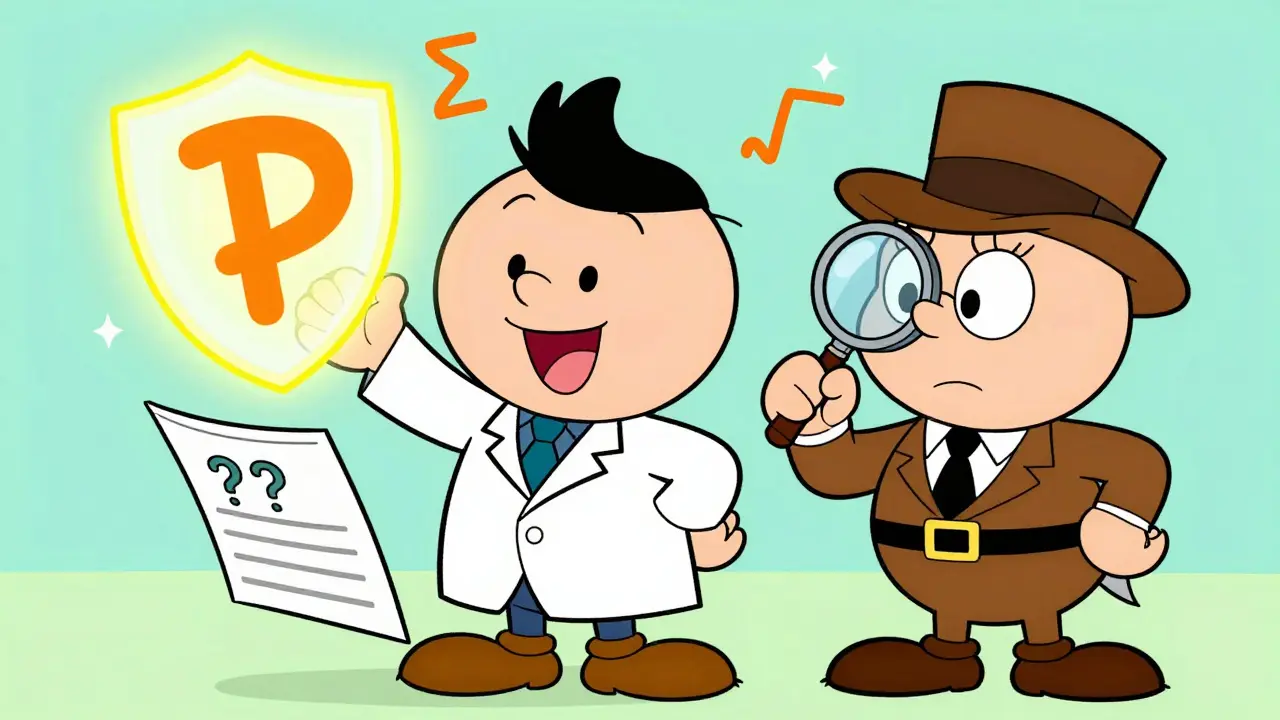
When you use zero-knowledge proofs, a cryptographic method that lets one party prove they know a secret without revealing the secret itself. Also known as ZKPs, it's the quiet engine behind private transactions on blockchains like Zcash and zkEVM networks. Think of it like proving you’re over 21 without showing your ID—just a nod and a handshake that satisfies the bouncer. No name, no date of birth, no photo. Just proof you meet the rule. In crypto, this means you can verify a transaction is valid without exposing who sent it, how much was sent, or where it came from.
This isn’t science fiction. It’s already in use. Projects like Zcash, a privacy-focused cryptocurrency that uses zero-knowledge proofs to hide sender, receiver, and amount, and zkEVM, a scaling solution for Ethereum that bundles hundreds of transactions into one proof, keeping data private while staying secure rely on this tech. Even exchanges that don’t require KYC use variants of zero-knowledge proofs to prove users aren’t breaking rules—like double-spending or laundering money—without ever seeing their identity. It’s the only way to keep crypto truly decentralized and private at scale.
But here’s the catch: zero-knowledge proofs don’t make you anonymous by default. They make verification possible without exposure. That’s why they’re perfect for DeFi, where you want to prove you have enough collateral to borrow without showing your full wallet. They’re also why privacy coins like Monero are getting delisted—regulators can’t audit them, but ZKPs let compliant platforms stay private and auditable. The real power? You can prove you’re eligible for an airdrop without revealing your wallet history. You can prove you own an NFT without showing which one. You can prove you paid your taxes on crypto without listing every trade.
What you’ll find below isn’t a list of theory papers. It’s real-world cases where zero-knowledge proofs, privacy, and blockchain tech collide. Some posts expose scams pretending to use ZKPs. Others break down how platforms like VoltSwap or Alephium use privacy tech to avoid front-running. You’ll see how Metahero and AdEx tried to bake privacy into their models—and where they fell short. There’s no fluff. Just what works, what doesn’t, and why your next trade might be private without you even knowing it.
Zero-knowledge proofs let you prove transactions are valid without revealing any details. Learn how ZKPs enable private payments in Zcash, scale Ethereum with zk-Rollups, and why they’re the future of blockchain privacy and efficiency.
View More
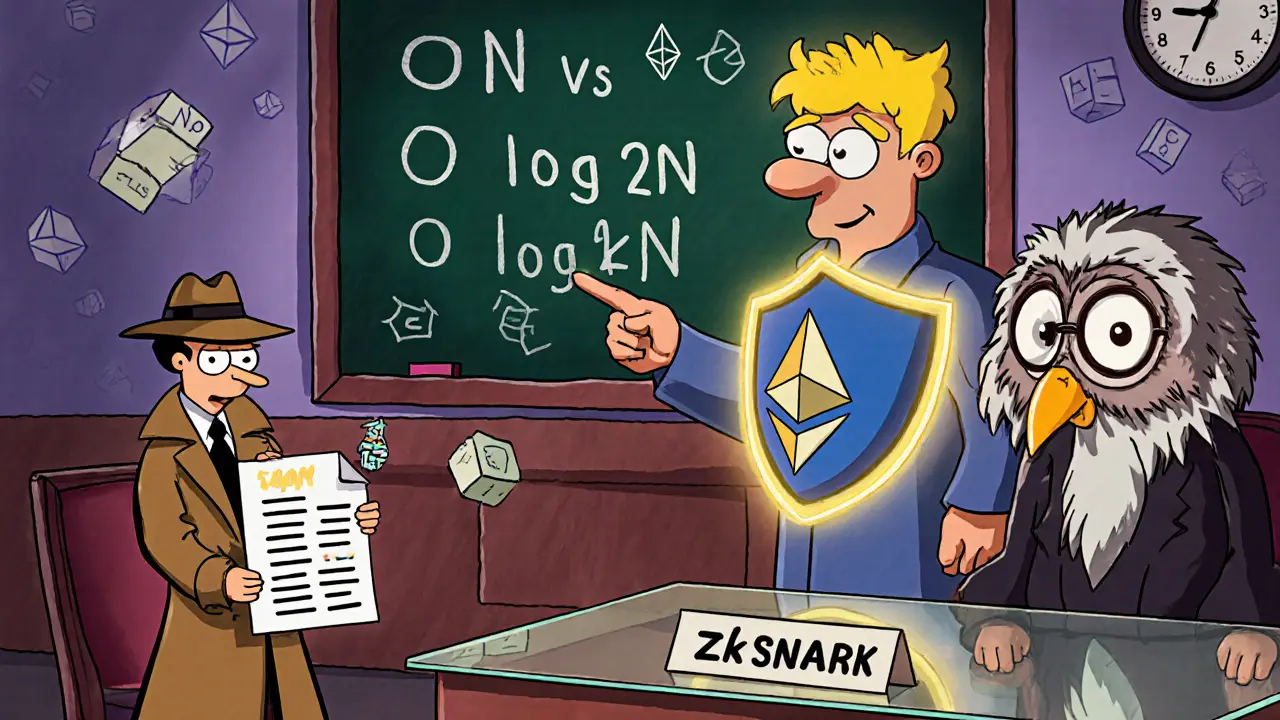
Compare zk-SNARKs and zk-STARKs to understand which zero-knowledge proof system fits your blockchain project-considering cost, scalability, quantum resistance, and developer effort.
View More