Blockchain Security: Protect Your Crypto from Scams, Hacks, and Fraud
When it comes to blockchain security, the systems and practices that protect digital assets from theft, fraud, and manipulation. Also known as crypto security, it’s not just about fancy tech—it’s about keeping your money from vanishing into thin air. Every time you send Bitcoin, trade on a DEX, or claim an airdrop, you’re trusting a chain of code. But if that chain is weak, your funds are at risk. And the risks aren’t theoretical. Platforms like LocalTrade and Decoin show up with fake volume and no team, while scams like BABYDB airdrops pretend to be real just to steal your wallet keys. Blockchain security isn’t optional—it’s the bare minimum.
It’s not just about avoiding sketchy exchanges. KYC crypto, the process of verifying your identity to use a crypto platform. Also known as crypto identity verification, it’s become unavoidable in 2025—and for good reason. Exchanges that skip KYC are often the same ones hiding behind fake trading numbers or laundering cash. When you see a platform like LocalTrade that refuses regulation, it’s not a feature—it’s a red flag. Meanwhile, suspicious activity report, a formal alert exchanges file when they spot money laundering or fraud. Also known as crypto SAR, it’s how legitimate platforms help shut down bad actors before they drain thousands of wallets. Even privacy coins like Monero are getting delisted because regulators are forcing exchanges to choose between compliance and anonymity. That’s not the end of privacy—it’s the end of hiding in plain sight.
And then there’s the quiet danger: dead projects. MARGA has zero supply. CVTX crashed 99.98%. HAPPY vanished after its IDO. These aren’t market dips—they’re signs of zero blockchain security. No team, no audits, no code updates. If a project can’t secure its own existence, how can it secure your tokens? Real blockchain security means transparency: public audits, verifiable teams, and clear rules. It means choosing platforms that don’t just say they’re safe—they prove it. Below, you’ll find real-world examples of what works, what doesn’t, and what to avoid before your next trade. This isn’t theory. It’s survival.
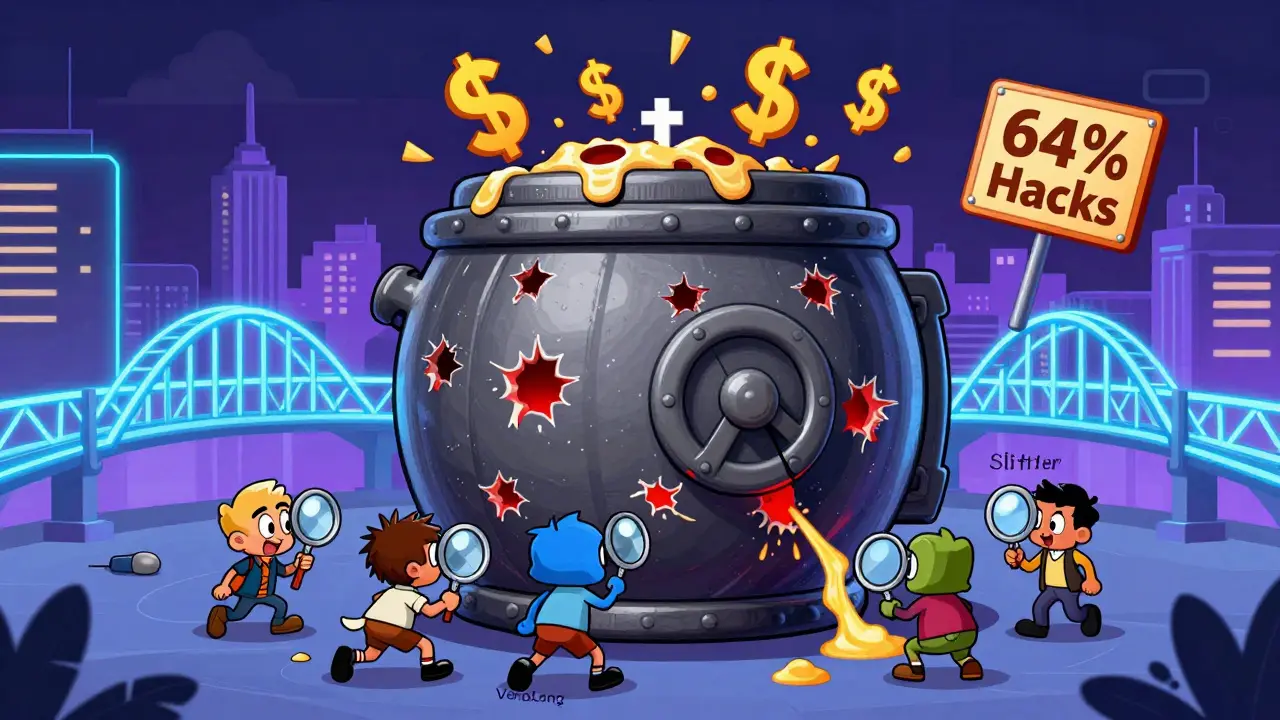
Smart contract security has evolved from basic audits to a mandatory, layered defense system. In 2026, formal verification, MPC key management, and real-time monitoring are essential to protect trillions in DeFi. Here’s what works-and what’s still dangerous.
View More
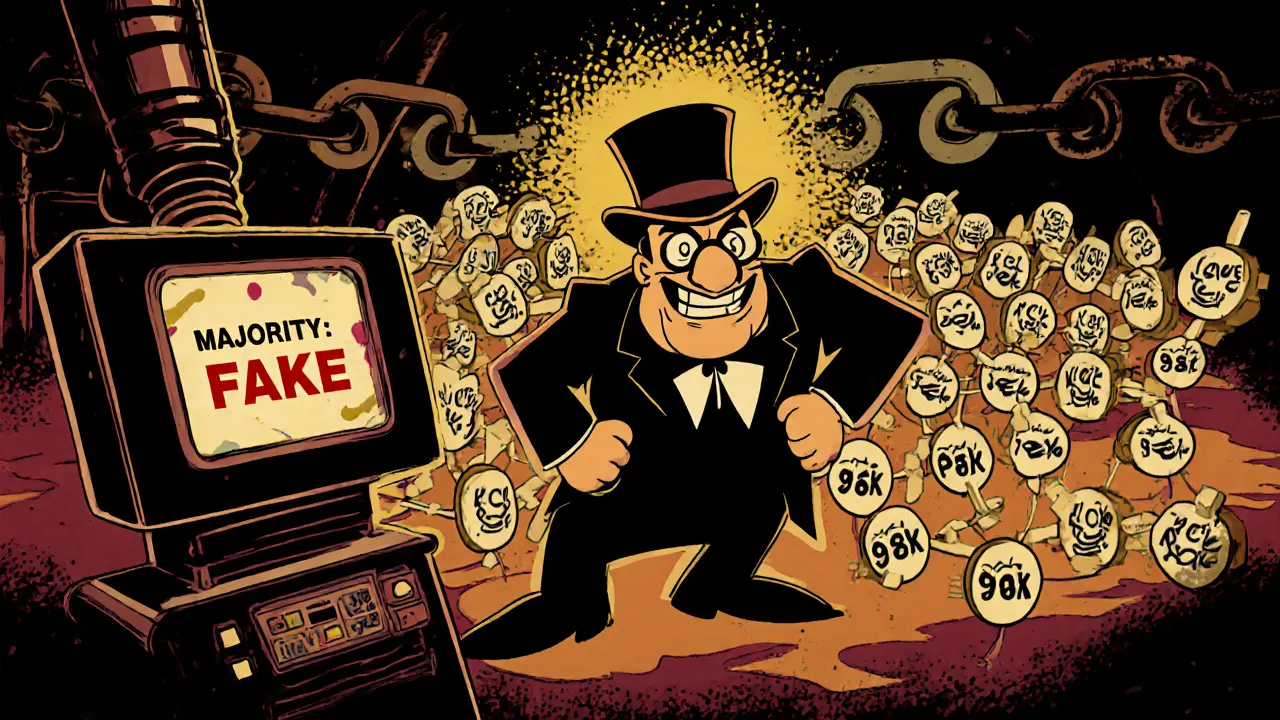
A Sybil attack lets one attacker control a blockchain by creating fake nodes. Bitcoin is safe because it's too expensive to fake nodes. Smaller chains are vulnerable. Learn how Proof of Stake, social graphs, and economic barriers stop these attacks.
View More