You’ve probably seen the ads. Flashy graphics, promises of high returns, and a sleek interface that looks like it belongs on Wall Street. The platform? MonoSwap. But here’s the catch: when you try to find real, independent information about this exchange, the internet goes quiet. No major news outlets have covered it. No reputable audit firms have published reports on its code. And if you dig deep enough into user forums, you start seeing a pattern of confusion rather than confidence.
In the world of cryptocurrency, silence is often louder than noise. For a legitimate exchange handling millions of dollars in daily volume, there should be a digital footprint-regulatory filings, security audits, community discussions, and third-party reviews. MonoSwap lacks most of these. This review isn’t just about listing features; it’s about answering the question that keeps traders up at night: Is MonoSwap safe for your money?
The Mystery Behind MonoSwap
Let’s start with the basics. What exactly is MonoSwap? On the surface, it presents itself as a modern cryptocurrency trading platform. Depending on which landing page you land on, it might claim to be a centralized exchange (CEX) offering spot and futures trading, or a decentralized exchange (DEX) built on a specific blockchain like Ethereum or Binance Smart Chain. This ambiguity is your first red flag.
Legitimate exchanges are transparent about their architecture. Coinbase tells you it’s centralized. Uniswap tells you it’s decentralized and runs on smart contracts. MonoSwap’s website often uses generic terminology that could apply to any platform. There is no clear whitepaper detailing the team behind the project, the technology stack, or the roadmap. Without this foundational information, you’re essentially flying blind.
Furthermore, the domain history of many sites using the "MonoSwap" name is short-lived. In the crypto space, domains that register recently and disappear quickly are often associated with "rug pulls" or phishing scams designed to steal private keys or drain wallets. Always check the age of the domain using tools like Whois. If the site was registered less than six months ago, proceed with extreme caution.
Red Flags: Why You Should Pause Before Depositing
When evaluating an unknown exchange, look for specific warning signs. Here are the critical issues surrounding MonoSwap:
- Lack of Regulatory Compliance: Reputable exchanges like Kraken or Coinbase operate under strict regulations in jurisdictions like the US, UK, or EU. They display their license numbers prominently. MonoSwap has no visible regulatory licenses. This means if something goes wrong, you have no legal recourse.
- No Independent Security Audits: Decentralized exchanges rely on smart contracts. These contracts must be audited by firms like CertiK, Hacken, or OpenZeppelin to ensure there are no vulnerabilities. MonoSwap lists no such audits. If it claims to be a DEX, unaudited code is a ticking time bomb.
- Vague Fee Structures: Hidden fees are common in shady platforms. While major exchanges publish clear fee schedules (maker/taker fees, withdrawal limits), MonoSwap’s terms are often buried or non-existent. Watch out for high spreads or unexpected withdrawal charges.
- Poor Customer Support: Try contacting their support team before depositing. Do they respond? Are the answers helpful, or do they use copy-pasted bot responses? Many users report ghosted tickets or unresponsive email addresses.
- Social Media Presence: Check their Twitter or Telegram. Are the followers real people, or bots posting generic hype? Look for engagement from known industry figures. If the only voices are anonymous accounts praising the platform, it’s likely a coordinated marketing effort to mask a lack of genuine adoption.
Centralized vs. Decentralized: Which One Is It?
Understanding the type of exchange you’re dealing with is crucial because the risks differ significantly. Let’s break down the two models and see where MonoSwap fits-or fails to fit.
| Feature | Centralized Exchange (CEX) | Decentralized Exchange (DEX) | MonoSwap Claim |
|---|---|---|---|
| Custody of Funds | Exchange holds your keys | You hold your keys | Unclear / Varies by clone site |
| KYC Requirement | Usually required | Rarely required | Often asks for KYC but process is opaque |
| Security Responsibility | Exchange secures servers | User secures wallet + Code security | No proof of either |
| Regulation | Highly regulated | Minimal regulation | None found |
| Liquidity Source | Internal order book | Liquidity Pools (LPs) | Unverified |
If MonoSwap is a CEX, you need to trust them not to run away with your funds. Given the lack of track record, this is a massive risk. If it’s a DEX, you need to trust the code. Without audits, the code could contain backdoors that allow developers to freeze withdrawals or mint infinite tokens. Either way, the burden of proof is on the exchange, and MonoSwap hasn’t provided it.
Better Alternatives for Safe Trading in 2026
Why take the risk with an obscure platform when established alternatives offer better security, lower fees, and proven reliability? Depending on your needs, here are safer options.
For Beginners: Centralized Exchanges
If you want ease of use, customer support, and fiat on-ramps (buying crypto with credit cards or bank transfers), stick to regulated giants.
- Coinbase: Publicly traded on NASDAQ, highly regulated in the US, and offers insurance on USD balances. Ideal for beginners who prioritize safety over low fees.
- Kraken: Known for strong security practices and excellent customer service. They have never been hacked and offer a wide range of coins.
- Bybit: Popular for derivatives trading but also offers robust spot markets. Good for intermediate traders looking for advanced tools.
For Advanced Users: Decentralized Exchanges
If you prefer self-custody and want to trade directly from your wallet without KYC, use audited DEXs.
- Uniswap: The largest DEX on Ethereum. Fully open-source, extensively audited, and backed by years of uptime. It’s the gold standard for decentralized trading.
- PancakeSwap: The leading DEX on BNB Chain. Lower gas fees than Ethereum, making it great for smaller trades. Also well-audited and widely used.
- Curve Finance: Specializes in stablecoin swaps with minimal slippage. Highly secure and efficient for moving between USDT, USDC, and DAI.
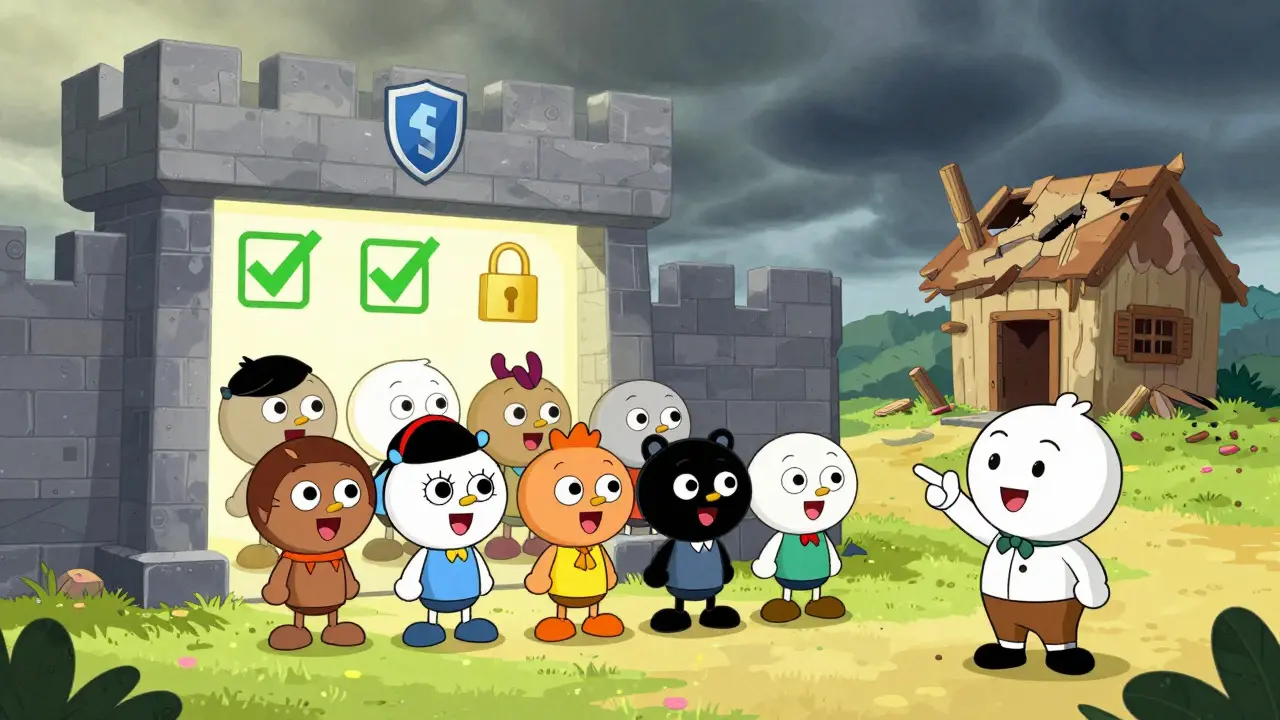
How to Verify Any Crypto Exchange Yourself
You don’t have to take my word for it. Here’s a simple checklist to vet any exchange, including MonoSwap, before you connect your wallet or deposit funds.
- Check Domain Age: Use
whois.domaintools.com. If the domain is new (<1 year), be skeptical. - Look for Audit Reports: Search for "[Exchange Name] audit report" on Google. Look for PDFs from CertiK, PeckShield, or Trail of Bits. If none exist, assume the code is unsafe.
- Verify Social Proof: Go to Twitter/X and search for complaints. Filter by "Latest." Are people complaining about stuck withdrawals? Are the replies from the official account helpful?
- Test Small Amounts: Never deposit your life savings. Start with $10. Try to withdraw it. If the withdrawal takes longer than promised or fails, stop immediately.
- Use Hardware Wallets: If using a DEX, connect via a Ledger or Trezor. Never approve unlimited spending allowances. Use tools like Revoke.cash to manage permissions.
The Verdict: Proceed With Extreme Caution
After analyzing the available data, the conclusion is clear: MonoSwap does not meet the basic standards of transparency and security expected from a legitimate cryptocurrency exchange. The lack of regulatory compliance, absence of security audits, and ambiguous business model make it a high-risk platform. In 2026, with so many reliable alternatives available, there is little reason to expose your capital to such uncertainty.
Unless you are an experienced trader willing to lose small amounts in pursuit of potential arbitrage opportunities on obscure pairs, it is wise to avoid MonoSwap. Stick to platforms with a proven track record, clear ownership, and verified security measures. Your crypto portfolio deserves better than guesswork.
Is MonoSwap a scam?
While there is no definitive court ruling labeling MonoSwap a scam, it exhibits many characteristics of fraudulent platforms, including lack of regulation, no security audits, and poor transparency. Until proven otherwise, treat it as high-risk or potentially illegitimate.
Where is MonoSwap based?
The physical location of MonoSwap’s headquarters is not publicly disclosed. This anonymity is common among offshore or shell companies operating in the crypto space, making legal recourse difficult for users.
Can I withdraw money from MonoSwap?
User reports are mixed, but many complain about delayed or frozen withdrawals. Without regulatory oversight, the exchange can impose arbitrary limits or halt withdrawals indefinitely. Always test with a small amount first.
What is the safest crypto exchange for beginners?
For beginners, Coinbase and Kraken are considered the safest due to their regulatory compliance, insurance on assets, and long operational histories. They offer user-friendly interfaces and reliable customer support.
Does MonoSwap require KYC?
Requirements vary by version of the site, but many users report being asked for Know Your Customer (KYC) documents during withdrawal attempts. This can be a tactic to delay payouts or collect personal data for identity theft.
Are there any security audits for MonoSwap?
No public, verifiable security audits from reputable firms like CertiK or Hacken have been found for MonoSwap. This is a significant red flag for any decentralized finance (DeFi) protocol.