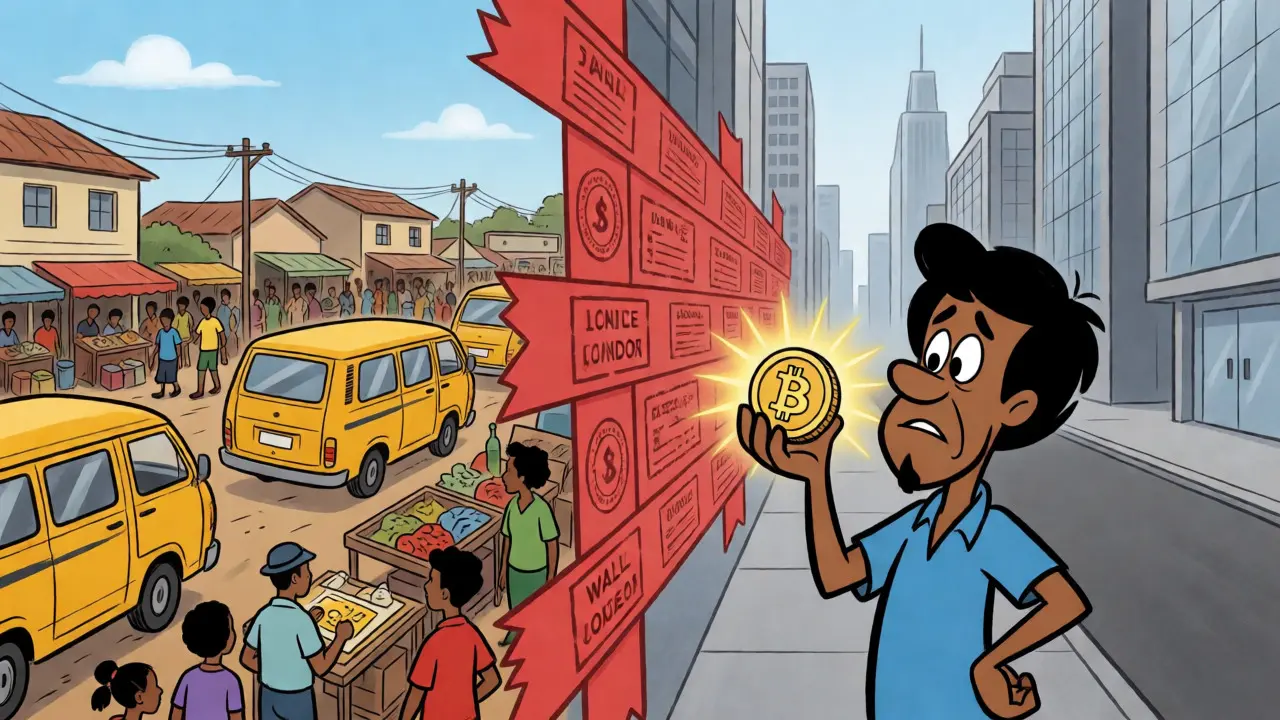
Imagine trying to send Bitcoin from a wallet in Nigeria to an exchange in London, only for the transaction to hit a wall because your country just landed on a specific watchlist. That is the reality for millions of users in FATF greylist countries. It’s not just a bureaucratic headache; it’s a direct constraint on how you use digital assets. The Financial Action Task Force (FATF) doesn’t just hand out warnings-they shape the global plumbing of finance. If you are holding crypto or running a business that touches it, ignoring where these countries stand is like driving blindfolded.
The FATF maintains two lists that matter: the blacklist (high-risk jurisdictions) and the greylist (jurisdictions under increased monitoring). As of mid-2025, the greylist includes over 24 nations, ranging from Algeria and Angola to Vietnam and Yemen. Being on this list isn't a death sentence, but it triggers a cascade of compliance requirements that ripple through every bank account, payment processor, and crypto exchange touching those regions. For crypto enthusiasts, this means stricter KYC checks, slower withdrawals, and sometimes, outright bans on certain services.
What Does 'Greylisted' Actually Mean for Your Wallet?
When a country enters the FATF greylist, officially known as "Jurisdictions Under Increased Monitoring," it signals that the nation has strategic deficiencies in its Anti-Money Laundering (AML) and Counter-Terrorism Financing (CTF) frameworks. Unlike blacklisted countries like North Korea or Iran, greylisted nations are actively working with the FATF to fix these issues within agreed timelines. But here’s the catch: while they are fixing things, the rest of the world treats them with suspicion.
For cryptocurrency users, this translates into immediate operational friction. Banks and financial institutions become risk-averse. They don’t want to be caught facilitating transactions from a jurisdiction flagged for weak oversight. Consequently, when you try to move fiat currency into or out of a crypto exchange linked to a greylisted country, you face Enhanced Due Diligence (EDD). This isn’t just filling out a form; it’s providing proof of source of funds, detailed explanations for large transfers, and often, waiting days for manual reviews instead of instant automated approvals.
Consider the case of Pakistan, which spent years on the greylist before finally exiting in late 2022. During that period, estimates suggest the country lost around $38 billion due to capital flight and reduced access to international finance. While crypto offers an alternative rail, exchanges serving Pakistani users had to implement rigorous screening protocols. Many global exchanges restricted features or required additional documentation for users with addresses in these regions, effectively creating a two-tier system for digital asset access.
The Ripple Effect on Crypto Exchanges and VASPs
Virtual Asset Service Providers (VASPs)-which include crypto exchanges, wallet providers, and custodians-are the frontline defenders against illicit finance. When the FATF updates its lists, VASPs must update their compliance frameworks immediately. This isn’t optional; it’s tied to their banking relationships. If an exchange fails to screen transactions involving greylisted countries properly, its correspondent banks might cut ties, leaving the exchange unable to process fiat deposits or withdrawals globally.
This creates a domino effect. Major exchanges like Binance or Coinbase maintain global compliance standards that often exceed local minimums. Why? Because losing a banking partner in Singapore or Germany is far more costly than losing revenue from a user in a high-risk jurisdiction. Therefore, if you reside in a greylisted country like Nigeria or South Africa, you might find that your ability to use peer-to-peer trading features is limited, or that withdrawal limits are lower compared to users in low-risk jurisdictions.
Moreover, the decentralized nature of blockchain adds complexity. A blockchain address doesn’t have a passport. Analytics firms like Chainalysis or Elliptic help exchanges map addresses to jurisdictions, but this isn’t always perfect. When a new country is added to the greylist-as Bolivia and the Virgin Islands (UK) were in June 2025-compliance teams scramble to update their risk models. Transactions previously deemed routine may suddenly trigger alerts, leading to frozen accounts until the user provides additional context.

Blacklist vs. Greylist: Understanding the Severity
It is crucial to distinguish between the blacklist and the greylist, as the consequences differ drastically. The blacklist contains jurisdictions with severe strategic deficiencies, such as North Korea, Iran, and Myanmar. These countries face countermeasures recommended by the FATF, which can include cutting off financial connections entirely. For crypto, this often means total exclusion from major centralized exchanges. You cannot simply sign up and trade; you are essentially locked out of the regulated global market.
Greylisted countries, however, retain access but under scrutiny. Let’s look at the current landscape. As of June 2025, the greylist includes nations like Bulgaria, Cameroon, Côte d’Ivoire, Haiti, Kenya, Lebanon, Monaco, Mozambique, Namibia, Nepal, Nigeria, South Africa, Syria, Venezuela, Vietnam, and Yemen. Each of these presents unique challenges. For instance, Syria and Yemen have been on the list since 2020. Despite making technical progress, geopolitical instability prevents FATF on-site visits, keeping them stuck in limbo. This uncertainty makes institutional investors hesitant, reducing liquidity in local crypto markets.
| Feature | Blacklist (High-Risk) | Greylist (Increased Monitoring) | White List (Compliant) |
|---|---|---|---|
| Examples | North Korea, Iran, Myanmar | Nigeria, South Africa, Vietnam, Bulgaria | USA, UK, Japan, Germany |
| Crypto Exchange Access | Often banned or heavily restricted | Allowed with Enhanced Due Diligence (EDD) | Standard KYC procedures |
| Banking Relationships | Severed or highly cautious | Strained; higher fees and scrutiny | Normal operations |
| Transaction Speed | Very slow or blocked | Slower due to manual reviews | Fast/Automated |
| Regulatory Pressure | Countermeasures applied | Action plans monitored | Low |
Why Do Countries End Up Here? Corruption and Enforcement Gaps
There is a strong correlation between public sector corruption and greylist status. Countries with higher rates of bribery among public servants are five times more likely to appear on the greylist. Why? Because corrupt officials often fail to prosecute financial crimes, creating systemic enforcement gaps. Take South Africa, listed in 2024. Public perception of worsening corruption reached 82% according to Afrobarometer data. Even though anti-corruption efforts exist, political infighting stalls meaningful reform, keeping the country under increased monitoring.
This environment affects crypto adoption in nuanced ways. On one hand, distrust in traditional banking drives people toward cryptocurrencies as a hedge against inflation and instability. In Nigeria, for example, despite being greylisted, crypto usage remains robust because citizens seek alternatives to a struggling naira. On the other hand, the lack of clear regulatory frameworks makes it hard for legitimate businesses to operate. Investors fear sudden policy shifts, and exchanges hesitate to invest in local infrastructure without guaranteed legal clarity.
Albania offers another lesson. Their Voluntary Tax Compliance program was rejected because it conflicted with FATF principles. This shows that domestic policies meant to boost economic activity can backfire if they ignore international AML standards. For crypto startups in greylisted nations, this means navigating a minefield of conflicting local incentives and global compliance demands.
Practical Steps for Crypto Users in Greylisted Jurisdictions
If you live in a country currently on the greylist, don’t panic, but do prepare. Here is what you need to do to keep your crypto activities smooth:
- Keep Documentation Ready: Always have proof of income and source of funds handy. If an exchange flags your transaction, you need to respond quickly with pay stubs, tax returns, or sales contracts.
- Use Reputable Exchanges: Stick to platforms with strong global compliance records. Smaller exchanges might drop support for your region overnight if their banking partners pull out.
- Avoid Large Sudden Transfers: Consistency matters. Irregular spikes in transaction volume from greylisted IPs often trigger automated freezes. Break large movements into smaller, logical chunks if possible.
- Monitor Local Regulations: FATF recommendations influence local laws. Stay updated on whether your central bank is tightening rules on crypto payments or banking channels.
Remember, the goal of the FATF is not to kill crypto but to prevent it from becoming a haven for illicit flows. By complying, you protect the long-term viability of the industry in your region.
The Future: DeFi and the Travel Rule
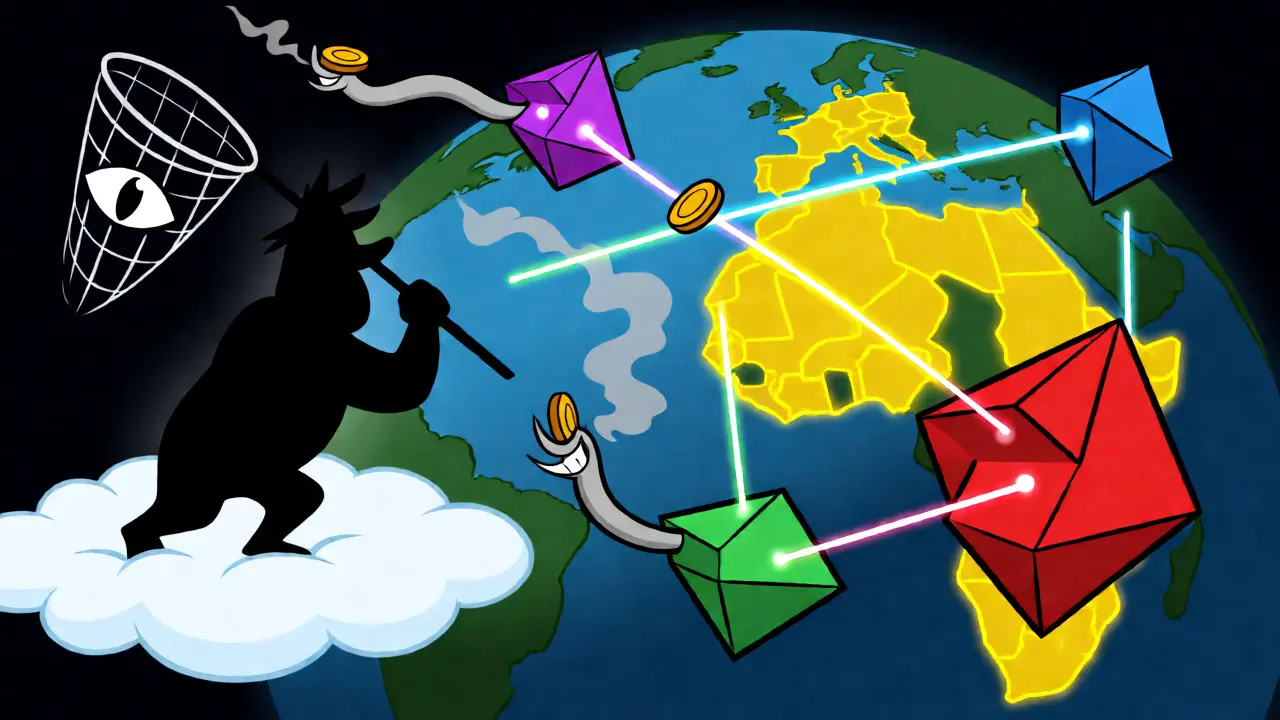
The conversation is shifting beyond centralized exchanges. Decentralized Finance (DeFi) protocols pose a unique challenge to the FATF. Who is responsible for compliance when there is no central intermediary? The FATF’s "Travel Rule" requires VASPs to share information about originators and beneficiaries of crypto transfers. Implementing this in DeFi is technically difficult and politically sensitive.
As Central Bank Digital Currencies (CBDCs) roll out in various nations, including some greylisted ones, the lines between traditional finance and crypto blur further. FATF assessment criteria will likely evolve to cover these hybrid systems. Expect stricter guidance on privacy coins and mixers, which are often used to obscure transaction trails in high-risk jurisdictions.
Ultimately, staying informed about FATF list changes is part of being a smart crypto investor. These lists change twice a year, usually in February and June/October. Checking the latest status before moving significant capital can save you weeks of administrative hassle.
Can I still use crypto if my country is on the FATF greylist?
Yes, you can. Greylisting does not ban cryptocurrency. However, you will face stricter Know Your Customer (KYC) checks, longer verification times, and potentially higher fees when using centralized exchanges or banking rails associated with your country.
What is the difference between the FATF blacklist and greylist?
The blacklist contains jurisdictions with severe strategic deficiencies that require countermeasures (e.g., North Korea, Iran). The greylist contains countries under increased monitoring that are actively working to resolve deficiencies within agreed timelines (e.g., Nigeria, Vietnam). Blacklisted countries face harsher restrictions and potential isolation from the global financial system.
How does FATF greylisting affect crypto exchange availability?
Exchanges may restrict certain features for users in greylisted countries, such as limiting fiat deposit options or requiring enhanced documentation for withdrawals. Some exchanges might temporarily suspend services if their banking partners perceive too much risk, but most maintain access with tighter controls.
Which countries were recently added to the FATF greylist?
As of June 2025, Bolivia and the Virgin Islands (UK) were newly added to the greylist. Conversely, Croatia, Mali, and Tanzania were removed after successfully completing their action plans.
Does being on the greylist mean my crypto is illegal?
No. The FATF list focuses on Anti-Money Laundering (AML) and Counter-Terrorism Financing (CTF) controls, not the legality of the asset itself. Most greylisted countries allow crypto trading, but they enforce strict reporting and identity verification rules to comply with international standards.


Carey Thornton
August 30, 2026 AT 08:17oh please, the sheer audacity of this post. it reads like a wikipedia entry written by someone who has never actually touched a blockchain in their life. "driving blindfolded"? really? we are talking about sophisticated global financial plumbing, not a sunday drive in the suburbs. you gloss over the nuanced reality of VASP compliance with such breathtaking ignorance that i almost felt sorry for your poor keyboard. the distinction between black and grey lists is fundamental, yet you treat them as mere footnotes to a dramatic narrative. frankly, it’s insulting to anyone who actually understands AML frameworks. do us all a favor and stick to reading headlines before attempting to pen op-eds on international regulatory law. 🙄
Kelechi Precious Nwachukwu
August 31, 2026 AT 19:35I am from Nigeria and this hits home hard.
My brother tried to move some USDT last week and got stuck in EDD for 5 days. It is frustrating but I guess necessary? The article says "don't panic" but when your money is frozen while banks here are shaky, panic is the natural human response. We just want to trade without feeling like criminals.
David Powell
September 2, 2026 AT 06:40Because obviously, the only reason countries end up on the greylist is because they forgot to fill out the right forms. Let's ignore the geopolitical maneuvering and pretend this is purely about bureaucratic efficiency. How quaint.
Dave Worth
September 3, 2026 AT 21:30Wake up! 🚨 They add countries to the list to justify surveillance. Bolivia added in June 2025? Convenient timing with the new CBDC pilots. 🧐 The FATF isn't protecting finance; they're building a cage for DeFi so they can tax every transaction eventually. Follow the money trail. 🕵️♂️💸
Sean Dalton
September 5, 2026 AT 04:04The Americans love to lecture the world on compliance while their own offshore havens remain comfortably white-listed. Hypocrisy at its finest. You talk about "global plumbing" as if it wasn't designed by London and New York to benefit themselves first. Ireland knows better than most how these rules are applied selectively depending on who holds the purse strings. Don't give me that neutral tone nonsense.
Ellie Brooks
September 5, 2026 AT 16:14This is such an important topic for so many people right now!! 💖 I honestly think the section on practical steps was super helpful, especially the part about keeping documentation ready. It feels like everyone gets scared when they hear "greylist" but understanding that it’s about increased monitoring rather than a total ban makes it feel way more manageable. I’ve been trying to explain this to my friends who are just starting out with crypto, and having clear points like "avoid large sudden transfers" really helps demystify the process. It’s great to see a breakdown that acknowledges the friction but also offers solutions! Keep up the good work spreading awareness! ✨🚀
Trista Dennis
September 6, 2026 AT 08:24The correlation between corruption and greylisting is stated as fact, but it’s merely a convenient narrative for Western institutions. To suggest that technical deficiencies in AML frameworks are solely due to "corrupt officials" ignores the structural economic pressures these nations face. It’s a judgmental oversimplification wrapped in academic jargon.
Kelechi Precious Nwachukwu
September 6, 2026 AT 18:47@Ellie Brooks thanks for the positive take. But documentation doesn't help when the exchange support team is slow or unresponsive. In Lagos, we deal with power cuts too. If the internet goes down during a verification window, you lose access. It’s not just paperwork; it’s infrastructure reliability.
Valentine Okpala
September 7, 2026 AT 03:21It’s interesting how the burden falls on the user to prove innocence. 😌 As someone observing from the UK, I see the ripple effects even here-exchanges becoming more cautious globally. It creates this weird hierarchy where your passport determines your financial speed. Sad, but true. 📉
Rajni Mathur
September 8, 2026 AT 21:03Respected Author,
The analysis provided herein is indeed commendable. However, one must consider the socio-economic ramifications on developing nations such as India, where digital literacy is rising rapidly amidst strict regulatory ambiguity. The imposition of FATF standards often acts as a barrier to entry for genuine innovators who lack the capital for extensive compliance teams. 🤔 It is imperative to view this not merely as a compliance issue, but as a developmental challenge. 🇮🇳✨
Bill Patterson
September 9, 2026 AT 16:55too long didn't read. still waiting for my withdrawal from vietnam. 🙄
Rachel Etheridge
September 11, 2026 AT 13:06omg yes!!! the frustration is real!! 😩 i had to submit three different proofs of income just to withdraw $500 from a platform linked to a greylisted region. it felt like i was being interrogated by the KGB lol. but seriously, why cant they just use blockchain data? its public! why do we need pay stubs?? its so annoying!! 💢💢
Kevin Payette
September 11, 2026 AT 17:47You miss the point entirely. The issue isn't bureaucracy; it's control. Every time a country enters the greylist, sovereignty erodes. You celebrate "compliance" while ignoring that compliance is the mechanism of extraction. The FATF doesn't care about your wallet; they care about visibility. Total transparency equals total vulnerability. Stop treating regulators like benevolent guardians. They are wardens. And you’re thanking them for the bars on your cage.