The Core Promises vs. The Reality
Exnomy enters the market with the bold claim of being "The Better Way to Trade & Invest." According to their own data, they serve over 2 million customers. On paper, they offer everything a beginner wants: low fees, a wide selection of coins, and an interface that doesn't require a computer science degree to navigate. But here is the problem: when you dig into the technical details, the specifics are surprisingly thin. Most legitimate platforms provide a transparent fee schedule-exactly how many basis points you pay per trade. Exnomy remains vague. If a platform claims to have "low fees" but won't list them in a clear table, it's usually a sign that they are hiding something or that their pricing is volatile. For a trader, unpredictability is the enemy. If you can't calculate your overhead, you can't actually manage your risk.Decentralized Architecture or Just a Label?
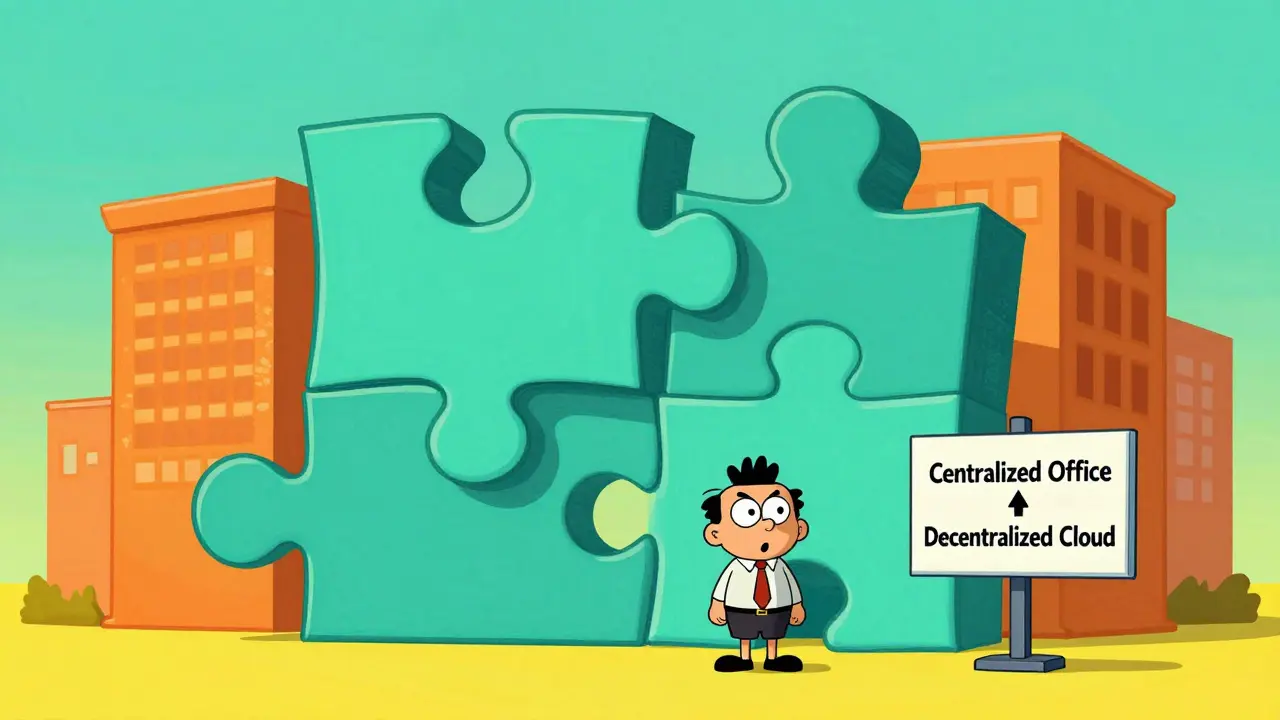
Exnomy identifies as a decentralized exchange. In the world of Decentralized Exchanges (DEXs), the primary value is that users maintain control of their private keys. You don't "deposit" money into a company's bank account; you trade directly from your wallet via smart contracts. However, there is a confusing gap in how Exnomy operates. True DEXs are governed by code on a blockchain, not by a company based in a specific city. When a platform claims to be "based in India" while also claiming to be "decentralized," it creates a contradiction. Are you interacting with a peer-to-peer protocol, or are you handing your funds to a centralized entity in another country? This lack of clarity is a major warning sign for anyone concerned with custodial risk.| Feature | Industry Standard (Tier 1) | Exnomy Observation |
|---|---|---|
| Fee Transparency | Public, fixed percentage tables | Vague "low fee" claims |
| Proof of Reserves | Regularly audited on-chain data | Not publicly verified |
| Regulatory Status | Licensed in multiple jurisdictions | Unclear compliance status |
| Security Audits | Third-party reports (e.g., CertiK) | No public audit history |
The Warning Signs: Scams and Similar Names
This is where the review gets serious. There is a disturbing pattern of warnings surrounding entities with names very similar to Exnomy, such as "Nomy Finance" and "Cryptonomy." Reports from the community and investigative videos have flagged these platforms as international scams. Investors have claimed that their funds were stolen and replaced with promises of "reimbursement tokens" that never actually materialized. While it is possible that Exnomy is a separate entity from Nomy Finance, the naming similarity is a classic tactic used in "pig butchering" or phishing schemes. Scammers often create a web of similar-sounding brands to confuse users and lend a fake sense of legitimacy to their operations. When you see multiple warnings about lost funds in the same "ecosystem" of names, the safest move is to stay far away.Innovation Gap and Long-Term Viability
Even if we set aside the scam allegations, the platform's growth outlook is grim. Analysis from industry observers, including WikiBit, suggests that Exnomy lacks any real innovation. In a market where Layer 2 Scaling Solutions and advanced DeFi protocols are evolving every week, Exnomy feels like a relic of 2020. There is no evidence of a long-term vision or a roadmap that addresses current market needs. A crypto exchange that doesn't innovate is an exchange that is waiting to be replaced. If the development prospects are "disappointing and uninspired," why would you lock your capital into their ecosystem? You're essentially betting on a horse that has stopped running.
Security Pitfalls to Avoid
If you are still considering this platform, you need to ask yourself: where is the security documentation? A trustworthy exchange should explicitly detail its use of Cold Storage (keeping the majority of funds offline) and Multi-Signature Wallets to prevent single points of failure. Exnomy's silence on these technical specifications is deafening. In the crypto space, silence is not neutrality-it is a risk. Without a verified security audit or a clear explanation of how they protect user assets from hacks, you are essentially gambling that the platform's owners are honest and their code is secure. Given the red flags mentioned earlier, that is a bet most professional traders would never take.The Verdict: Should You Use Exnomy?
Based on the available evidence, the risks heavily outweigh the rewards. You have a platform with vague pricing, a contradictory claim about being decentralized, a lack of innovation, and a cloud of scam allegations surrounding similar-named entities. There are too many high-quality alternatives. Whether you want a regulated centralized exchange or a truly decentralized one, you don't need to take these kinds of risks. Your priority should always be the safety of your principal investment. If you can't find a clear, third-party audit or a licensed regulatory filing, the platform is not an investment-it is a hazard.Is Exnomy a legitimate exchange?
There are significant reasons to doubt its legitimacy. The lack of transparent fee structures, absence of public security audits, and the presence of scam warnings associated with similar-sounding names suggest a high level of risk. Proceed with extreme caution.
What are the fees on Exnomy?
Exnomy claims to have low trading fees, but they do not provide a detailed, public pricing table. This lack of transparency is a major red flag compared to industry leaders who list exact percentages for makers and takers.
Is Exnomy really a decentralized exchange (DEX)?
While they claim to be a decentralized platform, they also identify as a company based in India. True DEXs are protocols governed by smart contracts, not corporate entities in a specific country. This contradiction suggests they may not be fully decentralized.
Have people lost money on Exnomy or similar platforms?
Yes, there are documented reports and warnings about entities like Nomy Finance and Cryptonomy, which share similar naming conventions with Exnomy. Users have reported losing funds and being promised fake tokens in return.
How can I tell if a crypto exchange is a scam?
Look for these red flags: lack of a clear team identity, vague fee schedules, promises of guaranteed returns, absence of third-party security audits, and pressure to deposit more money to "unlock" withdrawals.

Siddharth Bhandari
April 7, 2026 AT 03:54Being from India, I can tell you that the regulatory environment for crypto here is a complete mess right now. Many of these homegrown platforms operate in a grey area without proper licenses, making them extremely risky for anyone not well-versed in local law.
Joshua Aldrich
April 8, 2026 AT 08:41it's honestly kinda sad how many people just fall for these shiny websites.. the red flags are usually right there in the open if u just look for a sec. most of these 'dex' claims are just buzzwords to lure in folks who don't know how smart contracts actually work. always double check the audit reports or just don't use the platform at all. its better to be safe than sorry when your money is on the line
Suvoranjan Mukherjee
April 9, 2026 AT 22:32This is a textbook example of a custodial risk nightmare! The lack of an on-chain Proof of Reserves is a massive red flag for any serious trader. If they aren't leveraging a transparent liquidity pool or providing a verifiable Merkle tree, they're basically asking you to trust them with a blindfold on. Get your assets into a hardware wallet and stick to battle-tested protocols with high TVL and audited smart contracts!
alex rodea
April 11, 2026 AT 21:18Stay safe everyone!
Matthew Wright
April 13, 2026 AT 17:50The contradiction between being "India-based" and "decentralized" is just... wild... Seriously, a DEX by definition has no central office or headquarters... It's just code...!
Carol Prates
April 14, 2026 AT 20:47Omg, I can't even believe some people still fall for this stuff in 2026! It's like watching a car crash in slow motion, and honestly, the drama of people losing their life savings to a platform that probably runs on a laptop in a basement is just peak comedy at this point. Love the energy of the warning, but let's be real, some people just love the thrill of gambling their money away on a site that looks like it was made in 2005!
Adriana Gurau
April 15, 2026 AT 22:52Imagine thinking this is a "review" when it's basically just common sense 🙄. Anyone with a brain knows that vague fees = scam. I'm honestly bored that we're still talking about this level of amateurism in the crypto space. 💅
sekhar reddy
April 16, 2026 AT 19:14Absolute madness!! How can they even call themselves a DEX while being a company based in a city?? Its a total joke and they are just playing with people's money! This is why we need real regulation before someone loses everything!
June Coleman
April 17, 2026 AT 15:37Oh sure, because promising "financial freedom" always leads to a secure and audited platform. What a shocking surprise that a site with no public audit is actually a hazard. I'm just so impressed by the sheer audacity of these scammers these days.
akash temgire
April 18, 2026 AT 09:28The lack of transparency is unacceptable. Provide a fee table or cease operations immediately.
Emily 2231
April 20, 2026 AT 05:24This is clearly a coordinated effort by globalists to push us toward a single controlled currency by making every indie exchange look like a scam. They want us terrified of decentralized options so we just give up and hand over our wallets to the central banks. dont trust the audits because the auditors are paid by the same people who want to control the grid. its all a game
Robert Coskrey
April 20, 2026 AT 07:14I concur with the findings presented in this analysis... The absence of a verified security audit is indeed a critical failure in their operational transparency...
JERRY ORTEGA
April 22, 2026 AT 01:12just stick to the big names or a ledger if you're worried. no point in risking it for a platform that can't even explain its fees
shubhu patel
April 24, 2026 AT 00:54I completely agree that the naming similarity to other known scams is a very concerning point, and while I believe we should give everyone a fair chance to prove their legitimacy, it is simply too dangerous to ignore these patterns when so many innocent people have been hurt by similar schemes in the past few years.
Lauren Gilbert
April 25, 2026 AT 06:02It makes me wonder about the nature of trust in a digital age where we are told that code is law, yet we still find ourselves relying on the perceived honesty of a corporate entity based in a distant land, which essentially defeats the whole purpose of the blockchain revolution to begin with.
Sonya Bowen
April 25, 2026 AT 06:19Verification over trust. Always.
Carmelita Gonzales
April 25, 2026 AT 18:09sending love to anyone who lost money to these sites. its so hard when you just wanted a better life for your family and got tricked by a fancy website
Nicholas Whooley
April 26, 2026 AT 03:35I believe there is always hope for the industry to evolve toward better standards, and posts like this help educate new investors so they can grow their portfolios safely and sustainably.