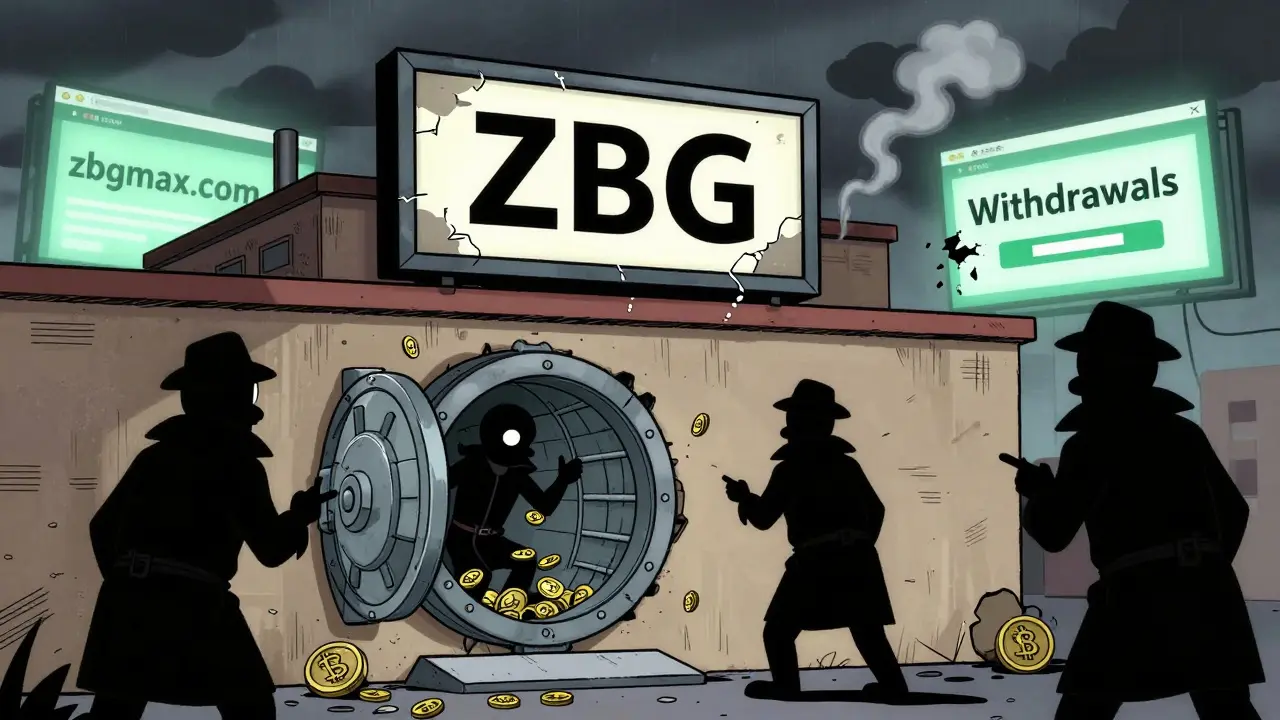
If you're looking at ZBG as a place to trade cryptocurrencies, you need to know one thing upfront: ZBG is not a safe or reliable exchange in 2025. Despite flashy claims of high trading volumes and hundreds of tokens, the evidence shows a platform with serious red flags-unverified data, regulatory issues, scam websites copying its name, and users reporting locked funds and silent support.
What Is ZBG, Really?
ZBG, or ZBG Exchange, is a Hong Kong-based crypto platform launched in 2018 as a side project of ZB.com. It was designed to list new, low-liquidity tokens that bigger exchanges like Binance or Coinbase wouldn’t touch. The idea was simple: let small projects get exposure here, and if they gain traction, they might move up to ZB.com. But that’s where the usefulness ends.
Unlike regulated exchanges, ZBG doesn’t publish audited financials, doesn’t disclose its reserve holdings, and doesn’t answer to any government body. Hong Kong introduced strict crypto exchange licensing rules in March 2023. ZBG has no public license. That means it’s operating without legal oversight-something the Hong Kong Monetary Authority explicitly warns against. If your funds disappear, you have no legal recourse.
Trading Volume? Untracked and Likely Fake
ZBG once claimed to hit $8.8 billion in daily trading volume in 2021. That would’ve put it in the top 5 globally. But today, CoinMarketCap lists ZBG as “Volume data is untracked.” That’s not a typo. It means the platform’s numbers aren’t verified by any third party.
Chainalysis found that exchanges with untracked volume now make up just 0.3% of global crypto trading-down from 2.7% in late 2023. Why? Because institutions and serious traders have moved on. They won’t risk money on a platform where volume can be faked.
CryptoQuant’s May 2025 analysis looked at ZBG’s order books and found only 27 trading pairs showed real, organic trading. The rest? Classic wash trading patterns-bots buying and selling to each other to inflate numbers. CoinDesk reported that 68% of exchanges claiming top 50 volume rankings were doing the same thing. ZBG is in that group.
Hidden Fees and Surprises
ZBG’s website says nothing about fees. Not clearly. Not in detail. That’s a red flag. Every legitimate exchange publishes its fee schedule: maker/taker rates, withdrawal costs, deposit fees.
Traders Union’s May 2025 review warns users: “After signing up, many traders discover hidden fees and charges.” That’s not vague. It’s a pattern. One user on CryptoSlate reported being charged an unexpected 5% fee on a withdrawal they thought was free. Another said they paid $120 in “processing fees” on a $500 USDT withdrawal-something not listed anywhere on the site.
Compare that to Coinbase, which clearly lists fees: 0.05% to 0.60% depending on trade size. Or Kraken, which shows exact withdrawal costs for every coin. ZBG? Silence. That’s not transparency. It’s a trap.
Scam Sites Everywhere
Here’s one of the worst parts: there are at least eight scam websites using “zbg” in their domain names. Sites like h5.zbgtrades.com, zbgour.com, www.zbgapp.net, zbgmax.com, zbgopt.com, zbglib.com, zbgtop.com, and zbgtan.com are all fake. They look almost identical to the real ZBG site. They steal login credentials. They drain wallets.
Cryptolegal’s October 2025 report confirmed these are active phishing domains. Users are being redirected from fake Google ads, social media posts, and even YouTube videos. If you type “ZBG” into Google, you might land on one of these. There’s no warning. No verification. Just a copycat site waiting for you to enter your password.
Withdrawals Don’t Work
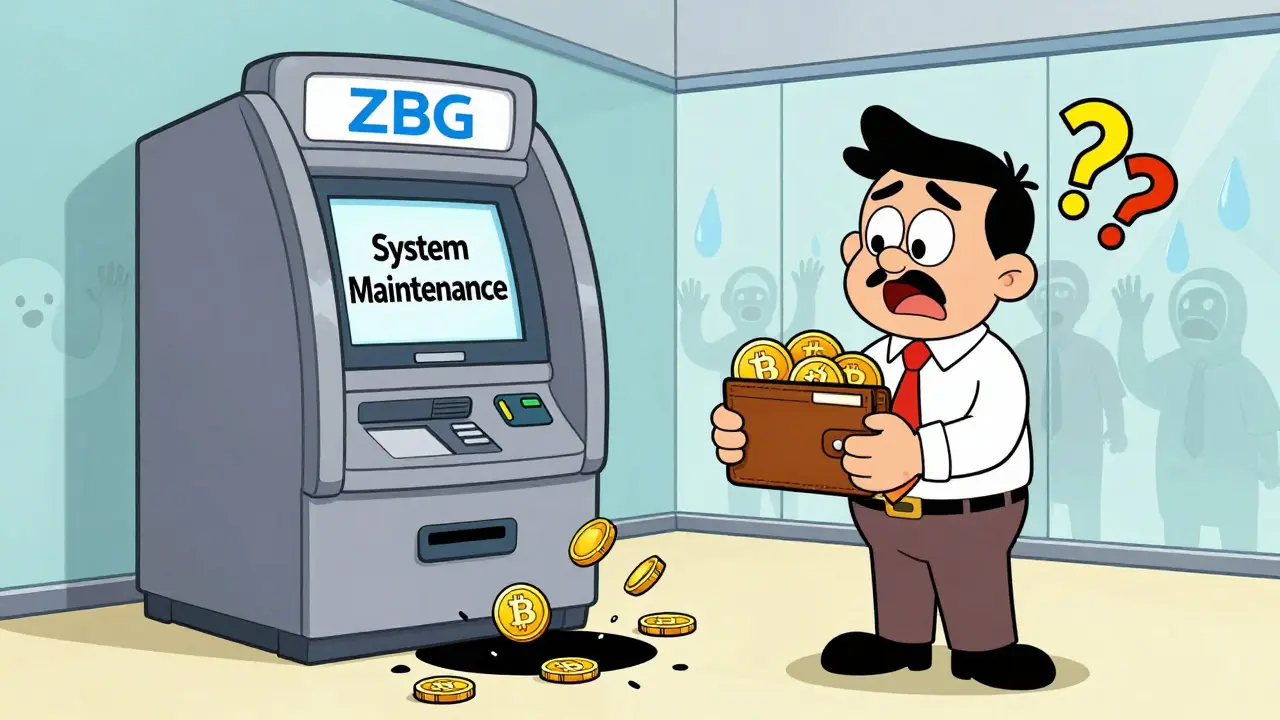
Users who try to withdraw funds report long delays and silence.
One user on CryptoSlate’s forum said they tried to withdraw 2.5 BTC in March 2025. The status stayed “processing” for 17 days. Then they got an email: “System maintenance.” No explanation. No timeline. No contact person.
That’s not a technical glitch. That’s a control tactic. When exchanges stop withdrawals, it’s often because they don’t have the funds-or they’re using your money to pay other users. It’s called a Ponzi structure. And it’s exactly what regulators crack down on.
Compare that to Kraken or Binance, where withdrawals take minutes, not weeks. And if there’s an issue, you get a direct reply from support-not a templated email.
No Security Proof, No Trust
ZBG claims to use “two-factor authentication and cold storage.” So do thousands of exchanges. But claims aren’t proof.
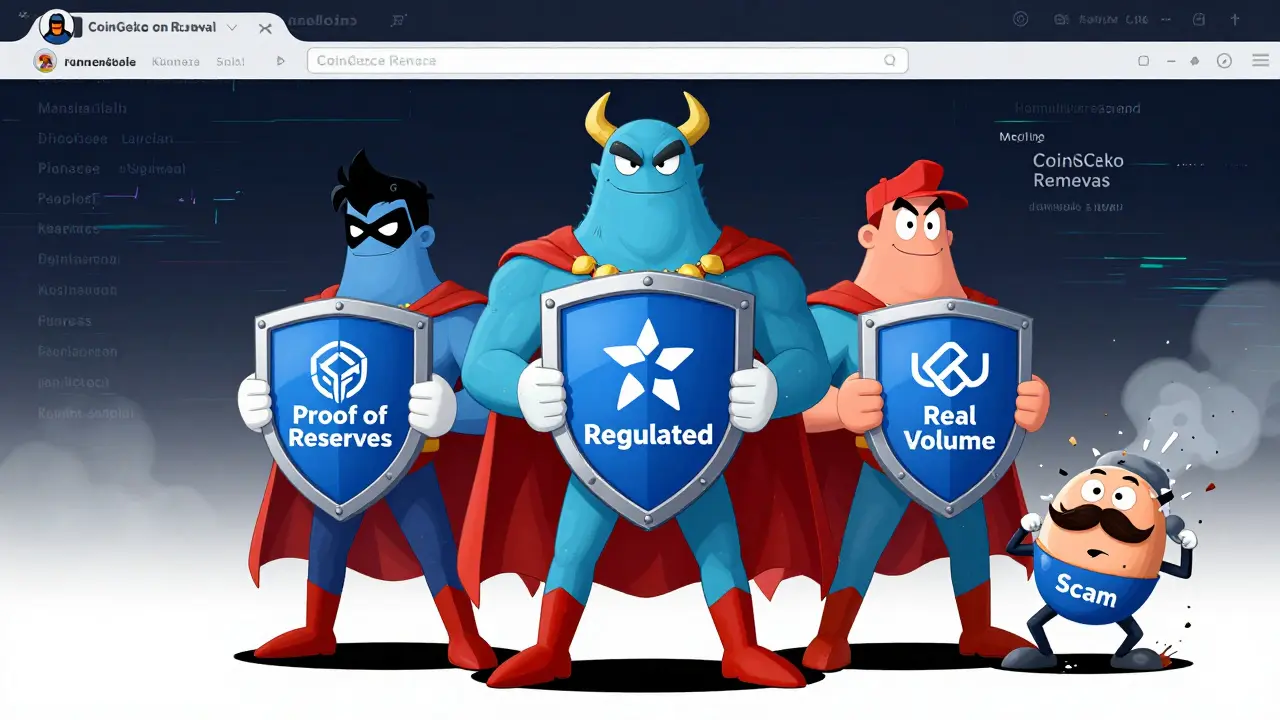
Real exchanges like Kraken publish quarterly proof-of-reserves reports verified by independent accounting firms like Marcum LLP. They show exactly how much crypto they hold versus what they owe users. ZBG? Nothing. Zero audits. Zero transparency.
Delphi Digital rated ZBG as “high risk” (level 4 out of 5) in their Q3 2025 assessment. Their reasoning? “Unverified trading volumes, regulatory non-compliance, and absence of third-party audits.”
And here’s the kicker: CoinGecko removed ZBG from its listings in August 2025. Why? Because ZBG failed to meet their new requirement: verifiable liquidity. That’s not a small rule. It’s a basic standard. If you can’t prove you’re real, you don’t get listed.
What About the Tokens?
ZBG lists hundreds of coins. Many are new, obscure projects with no market cap or team. Some are outright scams. That’s not a feature-it’s a hazard.
Yes, you might find a token early. But if the exchange itself is unstable, you’re risking your entire portfolio. A token can go to zero. But if the exchange freezes your account or vanishes, you lose everything.
There’s no reason to risk your Bitcoin, Ethereum, or even small altcoins on a platform that doesn’t answer to anyone. If you want exposure to new tokens, use a regulated exchange like KuCoin or Gate.io-they have strict listing standards, public audits, and responsive support.
Who Should Avoid ZBG?
If you’re:
- Looking for a safe place to store crypto
- Want to withdraw funds quickly
- Prefer transparency over hype
- Value regulatory compliance
- Have more than $500 to trade
Then ZBG is not for you. It’s a high-risk, low-reward gamble with no safety net.
Alternatives That Actually Work
Here are three trusted exchanges that meet basic standards:
- Coinbase: Regulated in the U.S. and EU. Clear fees. Public audits. Easy to use.
- Kraken: Publishes proof-of-reserves. Strong security. Low fees for high-volume traders.
- KuCoin: Lists new tokens. Transparent volume. Responsive support. No scam domains.
All of these have verified trading data, clear fee structures, and no history of frozen withdrawals.
Final Verdict
ZBG is not a crypto exchange you should trust in 2025. It’s a high-risk platform with unverified data, no regulatory license, fake websites, hidden fees, and users stuck with locked funds. The trading volume it once claimed was likely fabricated. The tokens it lists are often worthless. The security claims are unproven.
There’s no upside that justifies the risk. If you’re tempted by “low fees” or “new tokens,” remember: the cheapest exchange is useless if you can’t get your money out.
Walk away. Use a regulated, transparent platform. Your crypto-and your peace of mind-will thank you.
Is ZBG a scam?
ZBG isn’t officially labeled a scam by law enforcement, but it has all the hallmarks: unverified trading volume, no regulatory license, multiple phishing websites, hidden fees, and users reporting frozen withdrawals. Independent analysts rate it as high risk. It’s not a scam in the legal sense, but it’s as dangerous as one.
Can I withdraw my money from ZBG?
Many users report extreme delays-some waiting weeks-with no clear reason. Common responses include “system maintenance” or generic emails with no solution. There’s no guarantee you’ll get your funds out, especially if you’re trading large amounts. Withdrawals are unreliable and unpredictable.
Why is ZBG not on CoinGecko anymore?
CoinGecko removed ZBG in August 2025 because it failed to meet their new listing criteria: verifiable liquidity and transparent trading volume. ZBG’s data is untracked by CoinMarketCap, and third-party analysis shows most of its volume is fake. Without proof, it doesn’t qualify.
Are there fake ZBG websites?
Yes. At least eight scam domains use “zbg” in their name, including h5.zbgtrades.com, zbgour.com, and zbgmax.com. These sites copy the real ZBG interface to steal login details and crypto. Always type the URL manually: zbg.com. Never click links from ads, emails, or social media.
Is ZBG regulated?
No. ZBG is based in Hong Kong, which requires crypto exchanges to be licensed since March 2023. ZBG has no public license. The Hong Kong Monetary Authority warns that using unlicensed platforms puts your funds at risk-with no legal protection. ZBG operates without oversight.
What should I use instead of ZBG?
Use Coinbase, Kraken, or KuCoin. All are regulated, publish audit reports, have clear fee schedules, and respond to support requests. They list hundreds of tokens too-just with real volume and security. You won’t lose your money to fake sites or frozen withdrawals.