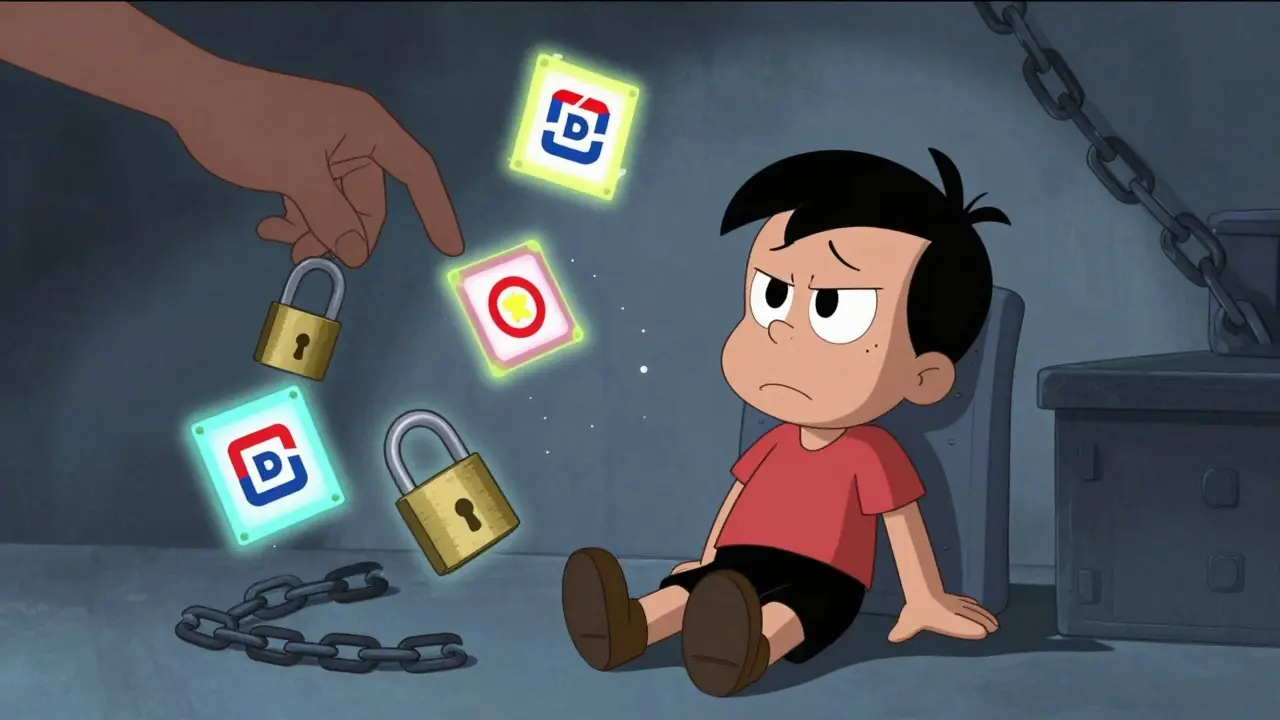
Imagine posting a photo and actually owning it-not just in your camera roll, but on the internet itself. Imagine getting paid directly by the people who like your post, without a corporation taking a 45% cut for running ads you didn't ask to see. This isn't a distant sci-fi dream; it is the promise of Web3 social media.
If you have ever felt frustrated by shadowbanning, algorithm changes that kill your reach, or privacy scandals involving your personal data, you are not alone. The traditional social web (Web2) was built on a simple business model: you provide free content and data, and platforms like Meta or X (formerly Twitter) sell access to your attention. Web3 flips this script entirely. It moves social networking from centralized servers owned by corporations to decentralized blockchains controlled by users.
The Core Shift: From Tenant to Owner
To understand Web3 social media, you first need to look at what came before. In the Web2 era, you are essentially a tenant. You build your audience on Instagram or TikTok, but you do not own the land. If the platform bans you, deletes your account, or changes its rules overnight, your audience disappears with it. Your data is locked inside their walled garden.
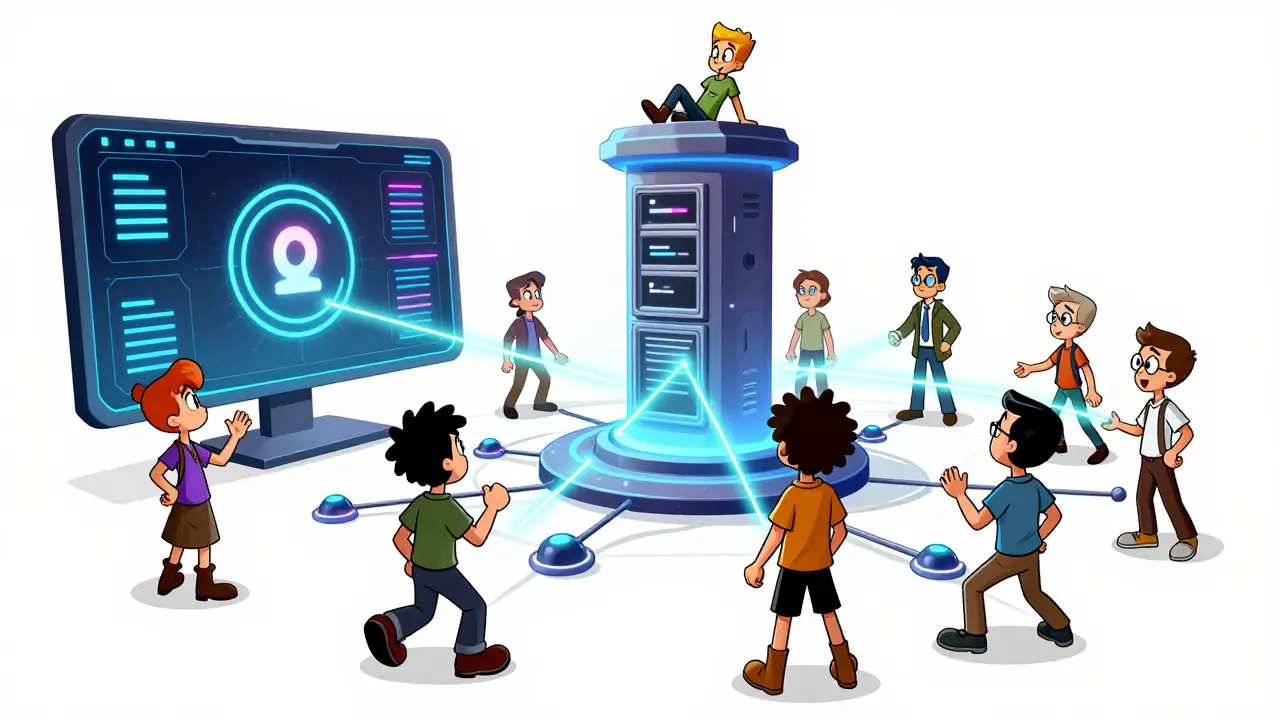
Web3 social media changes this dynamic through decentralization. Instead of storing your profile, posts, and followers on a single company's server, this information lives on a blockchain-a distributed ledger shared across thousands of computers. According to AWS, Web3 is an "umbrella term for technologies like blockchain that decentralize data ownership and control on the internet." This means if one app shuts down, your social graph (your connections and content) remains intact because it belongs to you, accessible via your digital wallet.
Lens Protocol is a decentralized social graph protocol built on Polygon that allows users to port their follower graphs across different applications. Launched by Aave Companies in 2022, it serves as a prime example of how Web3 infrastructure works. When you publish content on Lens, it doesn't stay trapped in one app. You can use different front-end interfaces-like Lenstube or Orb-to view and interact with the same underlying data.
How Does Web3 Social Media Actually Work?
The technology stack behind Web3 social media might sound complex, but the user experience aims to be seamless. Here is the breakdown of the three main components:
- The Blockchain Layer: This is where your identity and relationships live. Most Web3 social apps run on Ethereum-compatible chains like Polygon or specialized protocols like Farcaster. These chains handle the verification that you are who you say you are and record your connections.
- Decentralized Storage: Blockchains are expensive for storing large files like videos or high-res images. So, content is stored on decentralized file systems like IPFS (InterPlanetary File System) or Filecoin. These systems break files into chunks and distribute them across a network, ensuring no single point of failure can delete your content.
- Smart Contracts: These are self-executing codes that automate rules. For example, a smart contract can automatically send a small payment to a creator every time someone mirrors (shares) their post. No middleman, no monthly invoice cycle-just instant, transparent transactions.
This architecture ensures that your data is tamper-proof and permanent. Unlike a tweet that can be deleted by a moderator or lost in a server crash, Web3 content has a cryptographic proof of existence.
Monetization: Getting Paid Without Ads
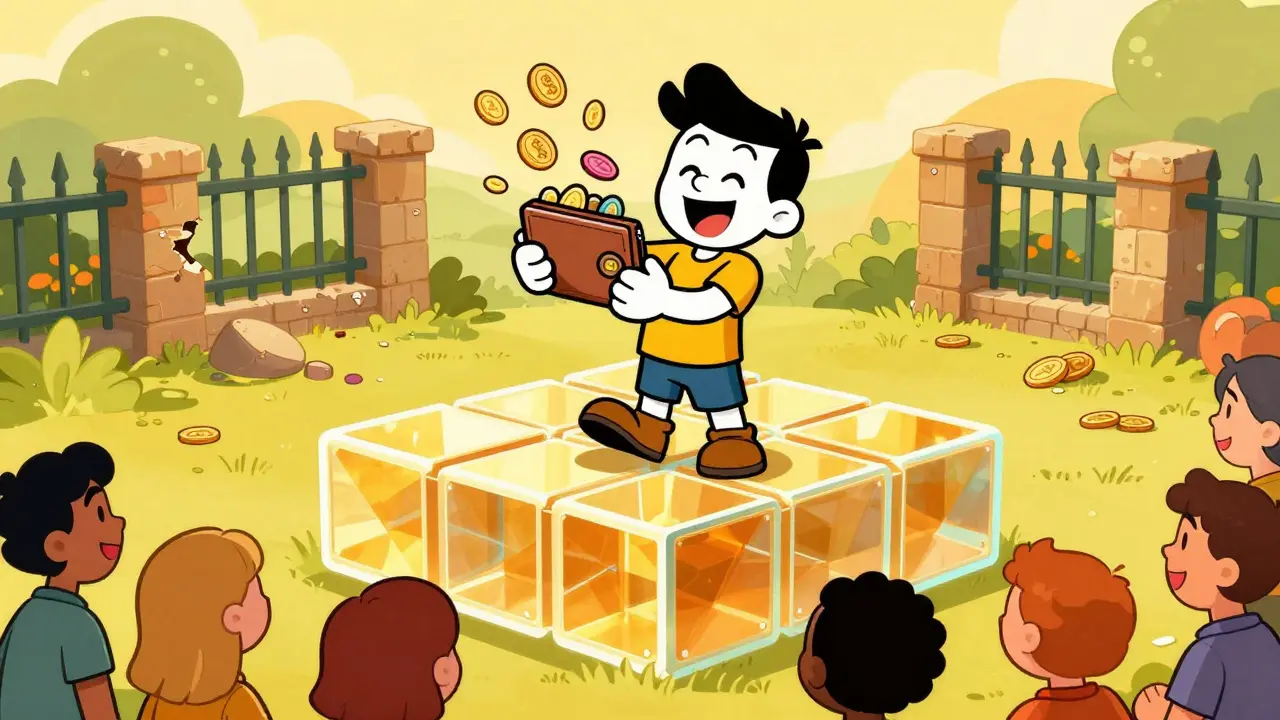
One of the biggest selling points of Web3 social media is direct monetization. In Web2, creators rely on ad revenue sharing, which is volatile and often favors massive influencers. Web3 introduces several new economic models:
- NFT Content: Creators can mint their posts as Non-Fungible Tokens (NFTs). Fans can buy these posts to support the creator, similar to buying a signed poster, but with digital ownership benefits.
- Token Gating: Communities can create exclusive groups accessible only to holders of a specific token or NFT. This allows creators to charge for premium content or community access directly.
- Mirroring Rewards: On platforms like Lens, when you mirror (share) someone's post and it generates value (like sales or tips), the mirroring user can receive a revenue share. This incentivizes quality curation rather than clickbait.
- Social Tokens: Some creators issue their own tokens. Fans buy these tokens to show support, and the creator can use them to fund projects or offer perks.
Stage Meta notes that these platforms enable "novel monetization options" including transforming viral posts into NFTs for sale or lease, with smart contracts facilitating instantaneous payments. This shifts power from advertisers back to the community and the creator.
Web3 vs. Web2: A Direct Comparison
To see the difference clearly, let's compare the two models side-by-side. This table highlights the fundamental structural differences between traditional social media and its decentralized counterpart.
| Feature | Web2 (Centralized) | Web3 (Decentralized) |
|---|---|---|
| Data Ownership | Platform owns your data | User owns their data |
| Governance | Corporate executives decide rules | Community votes via DAOs |
| Monetization | Ad revenue share (platform takes ~45-55%) | Direct payments, NFTs, tokens (creator keeps most) |
| Censorship Resistance | Low (accounts can be banned easily) | High (content is immutable on-chain) |
| Portability | None (data stuck in walled gardens) | High (follower graph moves with you) |
| User Experience | Simple, familiar, easy onboarding | Complex, requires wallets, steep learning curve |
The Challenges: Why Isn't Everyone Using It Yet?
If Web3 social media is so superior, why hasn't it replaced Facebook or X? The answer lies in usability and scale. As of mid-2026, Web3 social platforms face significant hurdles.
1. The Onboarding Nightmare
To join a Web3 social platform, you typically need a cryptocurrency wallet (like MetaMask or Phantom), some crypto for gas fees (transaction costs), and an understanding of private keys. If you lose your key, you lose your account forever. There is no "forgot password" link. Sprout Social's survey found that 92% of marketers cite "lack of user-friendly interfaces" as the primary adoption hurdle. Reddit sentiment analysis shows 72% frustration with onboarding complexity, with users complaining that setting up a wallet took hours.
2. Scalability Issues
Blockchain networks are slower than traditional servers. While Twitter processes over 6,000 tweets per second, many blockchain networks struggle with 15-45 transactions per second. This can lead to laggy experiences and higher costs during peak times, although Layer-2 solutions like Polygon are helping mitigate this.
3. Fragmentation
Unlike Web2, where everyone is on the same platform, Web3 is fragmented. You might follow someone on Lens, but they also have a presence on Farcaster and Bluesky. While protocols aim to interoperate, the user experience is still disjointed. Ethan Zuckerman of MIT cautioned that "decentralization creates fragmentation that may prevent network effects essential for social media."
4. Regulatory Uncertainty
Governments are still figuring out how to regulate token-based governance and crypto payments. This uncertainty makes businesses hesitant to fully commit to Web3 social strategies.
Who Is Web3 Social Media For?
Currently, Web3 social media is best suited for specific groups:
- Crypto-Native Users: People already comfortable with wallets, DeFi, and NFTs find Web3 social intuitive and rewarding.
- Independent Creators: Artists, writers, and developers who want to bypass algorithmic suppression and build direct relationships with patrons.
- Privacy Advocates: Individuals concerned about data tracking and corporate surveillance.
- Early Adopters: Tech enthusiasts willing to tolerate friction for the benefit of ownership and innovation.
For the average casual user scrolling memes, Web2 remains more convenient. However, as wallets become invisible and gas fees drop, this gap is narrowing. Major players like Meta have even started integrating NFT displays, signaling a blurring of lines between the two worlds.
The Future: What to Expect Next
Despite current challenges, the trajectory is clear. TokenMinds' Q4 2024 forecast predicts three growth vectors for Web3 social:
- Creator Monetization Market: Projected to reach $4.2 billion by 2027, up from $780 million in 2024.
- Community-Driven Marketing: 63% of Web3-native brands are using social tokens for customer rewards, creating loyal communities.
- Decentralized Identity: Projects like Microsoft's ION are exploring enterprise-grade decentralized IDs, which could eventually underpin social profiles.
Gartner placed decentralized social at the "Innovation Trigger" phase in August 2024, projecting mainstream adoption between 2028 and 2030. The goal is not necessarily to destroy Web2, but to force it to adopt better practices regarding data ownership and creator rights. We are moving toward a hybrid future where you might log in with a Web2 email but own your social graph on a Web3 protocol.
Is Web3 social media safe?
Safety depends on how you manage your keys. Since there is no central authority to recover your account, losing your private key means permanent loss of access. However, your data is more secure from hackers targeting a single central server. Always use hardware wallets and never share your seed phrase.
Do I need to buy cryptocurrency to use Web3 social media?
Usually, yes. You need crypto to pay for gas fees (transaction costs) when posting or connecting. However, some platforms are introducing "gasless" transactions or sponsored fees to make onboarding easier for newcomers.
Can I move my followers from Twitter to Web3?
Not directly. Web3 social graphs are separate from Web2. You will need to invite your existing audience to join the new platform. However, once they are there, you own those connections and can take them elsewhere if needed.
What is the best Web3 social media platform right now?
Lens Protocol and Farcaster are currently the leading protocols. Lens is known for its robust developer ecosystem and follower portability, while Farcaster offers a unique hub-and-spoke model with strong cultural traction in tech circles. The "best" choice depends on your technical comfort and community preferences.
Will Web3 replace Web2 completely?
Unlikely in the short term. Web2 offers unmatched convenience and network effects. A more probable outcome is integration, where Web2 platforms adopt Web3 features like ownership layers and direct payments, while pure Web3 platforms improve usability to capture niche markets.