
Have you ever seen a ticker symbol like ORCAI on your exchange and wondered if it was a scam or a new project? It’s not. It’s just another way some platforms label the ORCA token, which is the governance coin for Orca, a leading decentralized exchange on the Solana blockchain. If you are diving into the world of Solana DeFi, understanding how this protocol works is essential.
Orca isn’t just a token; it is an entire ecosystem designed to make trading cryptocurrency easier, faster, and cheaper than traditional methods. But what exactly makes it different from other exchanges? And why does the ticker sometimes change? Let’s break down the mechanics, the benefits, and the risks so you can decide if it fits your strategy.
What Is Orca?
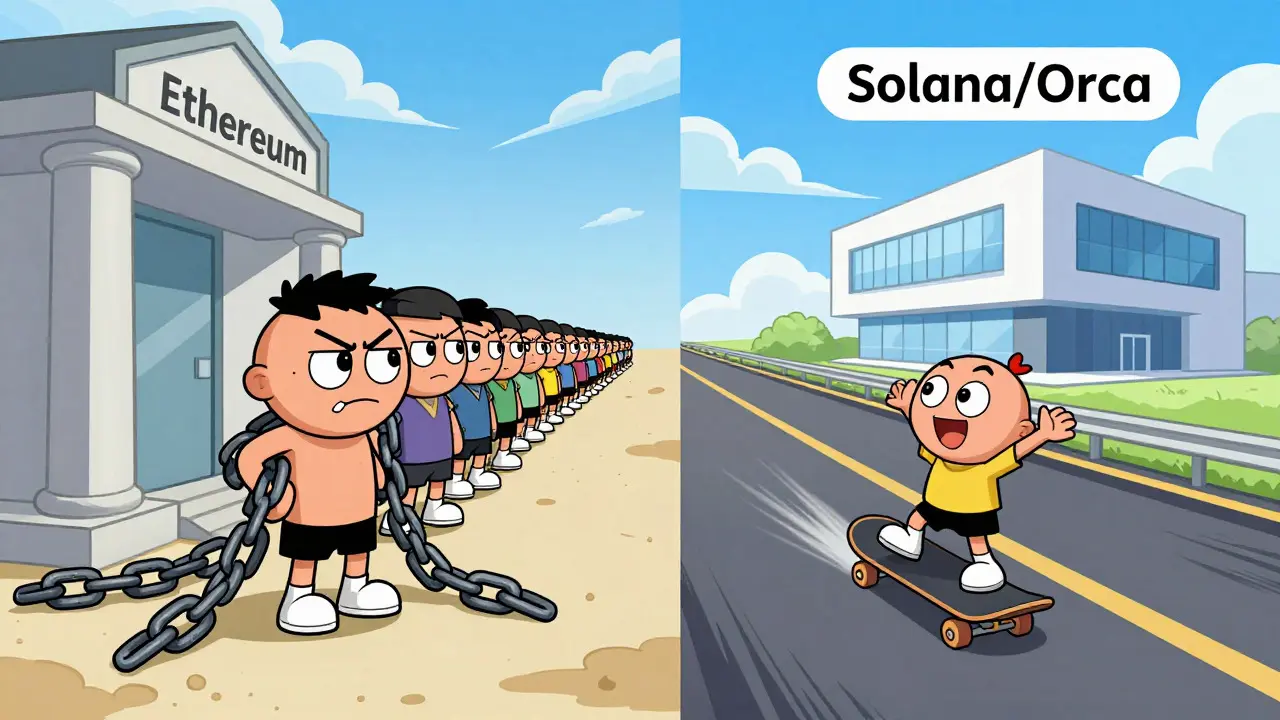
Orca is a decentralized exchange (DEX) built specifically on the Solana blockchain. Founded in 2021 by Yutaro Mori and Grace Kwan, the project had one clear goal: remove the friction that often plagues decentralized finance. On older networks like Ethereum, swapping tokens could take minutes and cost dollars in gas fees. Orca changed that equation.
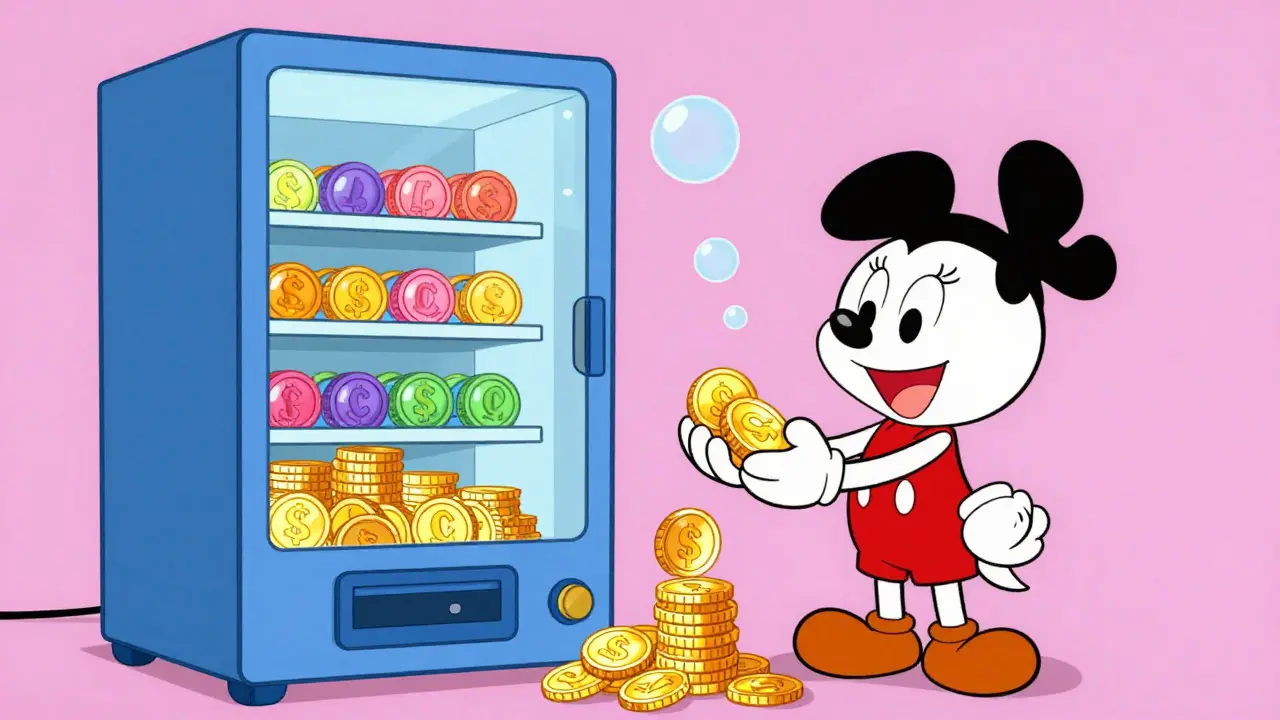
By leveraging Solana’s high-speed infrastructure, Orca allows users to execute trades in seconds for fractions of a cent. It operates as an Automated Market Maker (AMM). This means there is no central company matching buyers and sellers. Instead, you trade against pools of liquidity provided by other users. Think of it like a vending machine: you put money in, and the machine gives you the product based on pre-set prices, without needing a clerk behind the counter.
Why Is It Sometimes Called ORCAI?
If you look at major centralized exchanges like Coinbase or Kraken, you will usually see the ticker listed simply as ORCA. However, some platforms add an "I" suffix, creating ORCAI. This is purely a labeling convention used by certain exchanges to distinguish the asset from other similar tickers or to comply with internal naming standards. The underlying asset is identical. When you buy ORCAI, you are buying the same governance token that powers the Orca protocol. Always double-check the contract address if you are transferring funds between wallets to ensure you are moving the correct SPL token.
How Does the ORCA Token Work?
The ORCA token serves two main purposes: governance and incentives. As a governance token, holders get a say in the future of the platform. You can vote on proposals that affect fee structures, new feature rollouts, and treasury management. This aligns the interests of the users with the success of the protocol.
Secondly, ORCA is used to reward participants who provide liquidity. This is where the concept of Aquafarms comes in. Aquafarms are Orca’s branded liquidity pools. When you deposit pairs of tokens into these pools, you earn a share of the trading fees generated by swaps. In addition to those fees, the protocol distributes ORCA tokens to liquidity providers as an extra incentive. This creates a flywheel effect: more rewards attract more liquidity, which leads to better prices for traders, which attracts more volume.
Key Features That Set Orca Apart
There are dozens of DEXs out there, but Orca focuses heavily on user experience. Here are the features that make it stand out:
- Fair Price Indicator: Before you confirm a swap, Orca checks the price against CoinGecko’s rate. If the quote deviates by more than 1%, it warns you. This protects beginners from slippage shocks.
- Magic Bar: Finding the right trading pair can be tedious. The Magic Bar lets you quickly search for existing pairs, saving time and reducing errors.
- Your Tokens Panel: This interface element clearly displays your wallet balances directly within the app, giving you a real-time view of your portfolio without switching tabs.
- Concentrated Liquidity AMM (CLAMM): For advanced users, CLAMM allows liquidity providers to deploy capital within specific price ranges. This increases capital efficiency, meaning providers can earn more fees with less capital compared to traditional constant-product pools.
Orca vs. Other Decentralized Exchanges
| Feature | Orca (Solana) | Uniswap (Ethereum) | Raydium (Solana) |
|---|---|---|---|
| Network | Solana | Ethereum | Solana |
| Transaction Speed | Seconds | Minutes (variable) | Seconds |
| Average Fee Cost | Pennies | Dollars (high volatility) | Pennies |
| User Interface Focus | Beginner-friendly | Technical/Advanced | Intermediate |
| Liquidity Model | AMM + Aggregator | AMM | AMM + Order Book Hybrid |
While Uniswap is the giant of Ethereum, its high gas fees can eat into profits for small traders. Orca solves this by sitting on Solana. Compared to Raydium, another major Solana DEX, Orca distinguishes itself through its polished UI and strong emphasis on accessibility. Raydium is powerful but can feel complex to newcomers. Orca aims to be the "exchange next door," making DeFi accessible to anyone with a smartphone.
Risks and Considerations
No investment is without risk, and DeFi is particularly volatile. Here is what you need to watch out for:
- Impermanent Loss: If you provide liquidity to Aquafarms, you face impermanent loss. This happens when the price of your deposited tokens changes significantly compared to when you deposited them. You might end up with less value than if you had just held the tokens in your wallet.
- Smart Contract Risk: Although Orca has been audited and is trusted by major exchanges, all code carries some risk of bugs or exploits. Always do your own research before locking large sums of capital.
- Token Supply Discrepancies: You may see conflicting reports about the total supply of ORCA. Some sources cite 75 million, others 100 million. These differences often stem from data snapshots taken at different times or post-launch adjustments. Always check the latest on-chain data via a block explorer like Solscan for the most accurate circulating supply figures.
- Market Volatility: Like all crypto assets, ORCA’s price can swing wildly. Recent data shows daily volumes around $10-12 million, indicating good liquidity, but prices can still drop 2-3% in a single day during market corrections.
How to Get Started with Orca
Using Orca is straightforward if you have a Solana-compatible wallet. Here is the step-by-step process:
- Set Up a Wallet: Download a wallet like Phantom or Solflare. These are the most popular choices for interacting with Solana dApps.
- Buy SOL: Purchase Solana (SOL) on a centralized exchange and send it to your wallet address. You need SOL to pay for transaction fees and to swap for other tokens.
- Connect to Orca: Go to the official Orca website and click "Connect Wallet." Approve the connection in your wallet app.
- Swap Tokens: Select the token pair you want to trade. Use the Magic Bar to find obscure tokens if needed. Check the Fair Price Indicator to ensure you are getting a good rate.
- Provide Liquidity (Optional): If you want to earn passive income, navigate to the Pools section. Choose a pool, deposit your token pairs, and start earning fees and ORCA rewards.
The Future of Orca
Orca is not standing still. The team is actively developing infrastructure for regulated assets. This means they are building tools that allow issuers of tokenized securities to control who can interact with their tokens. This move towards compliance could open doors for institutional investors who previously avoided DeFi due to regulatory uncertainty. By combining user-friendly design with enterprise-grade features, Orca positions itself as a key player in the next phase of Solana’s growth.
Is ORCA the same as ORCAI?
Yes, they represent the same asset. ORCAI is simply a ticker variation used by some centralized exchanges to avoid confusion with other symbols. The underlying token governs the Orca DEX on Solana.
Which wallet is best for using Orca?
Phantom and Solflare are the most widely supported wallets for Solana. Both integrate seamlessly with the Orca interface, allowing for easy connections and transactions.
What is Impermanent Loss?
Impermanent loss is a risk for liquidity providers. It occurs when the price ratio of the two tokens in your liquidity pool changes significantly after you deposit them. You may end up with less value than if you had simply held the tokens separately.
How much does it cost to trade on Orca?
Trading fees on Orca are extremely low, typically costing pennies per transaction. This is because Solana has very low network gas fees compared to Ethereum.
Can I earn passive income with ORCA?
Yes, by providing liquidity to Orca’s Aquafarms. You earn a portion of the trading fees plus additional ORCA token rewards. Advanced users can also use Concentrated Liquidity AMMs to optimize their returns.