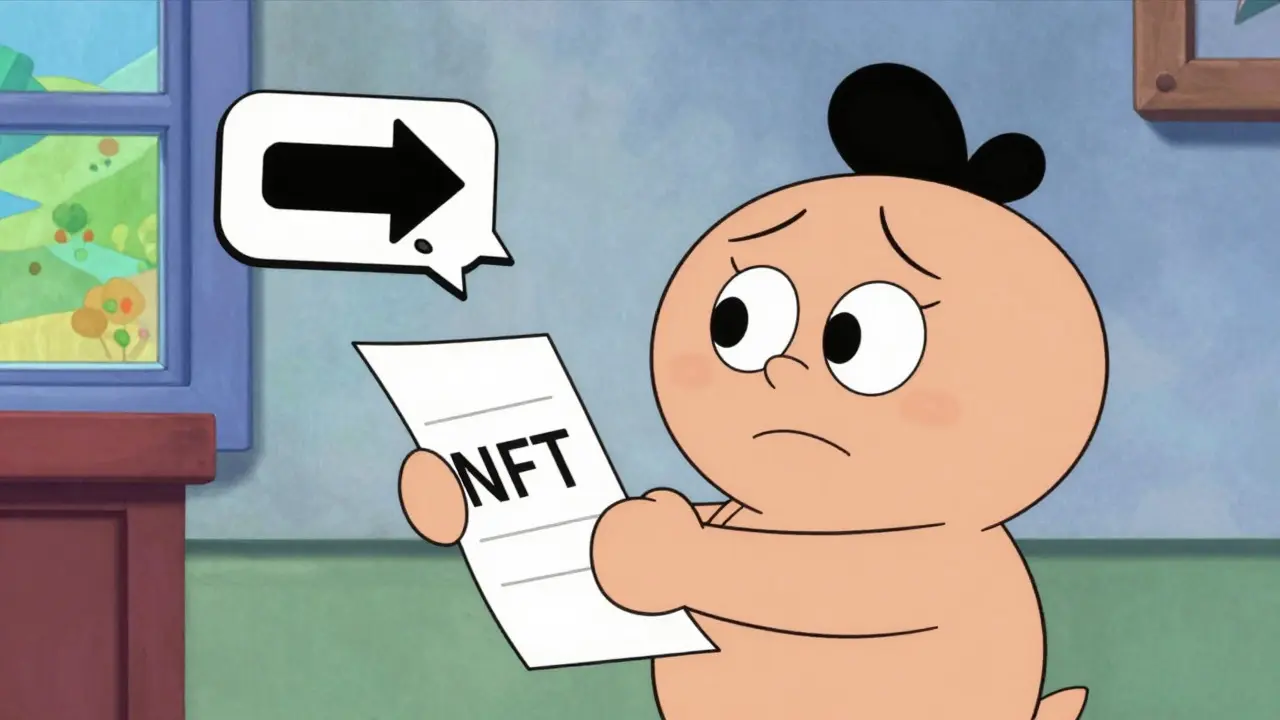
Imagine buying a rare painting, but instead of the canvas, you only get a receipt. The receipt says "Look at this URL to see the art." Now imagine that URL breaks five years later. You still own the receipt, but the art is gone. This is exactly what happens when NFT metadata is handled poorly.
If you’ve ever looked at an NFT on OpenSea or Magic Eden and seen a name, description, image, and list of traits, you were looking at metadata. It’s not just extra fluff; it is the actual definition of what your token represents. Without it, your NFT is just a random number on a ledger with no identity, no value, and no visual component.
In this guide, we’ll break down what NFT metadata actually is, why storing it correctly matters more than you think, and how to ensure your digital assets don’t vanish into the ether.
The Anatomy of NFT Metadata
At its core, NFT metadata is a set of data that describes the content of a non-fungible token. Think of it like the label on a jar of jam. The jar is the container (the blockchain token), but the label tells you what’s inside, who made it, when it was made, and what ingredients are in it.
Technically, this data is usually stored in a JavaScript Object Notation (JSON) format. When you mint an NFT, the smart contract doesn’t store the heavy image file directly on the blockchain. Blockchains like Ethereum have strict storage limits-roughly 256 bytes per transaction-which isn’t enough for even a tiny JPEG, let alone a high-resolution video or audio file.
Instead, the metadata acts as a pointer. Here is what typically lives inside that JSON file:
- Name: The distinctive title of the asset (e.g., "Bored Ape #3847").
- Description: A short text explaining what the NFT is or its backstory.
- Image/Video/Audio Link: A URL pointing to the actual media file.
- Attributes: Specific traits that define rarity, such as "Background: Blue," "Hat: Fedora," or "Element: Fire."
- External URL: A link to the project’s website or social media.
This structure is standardized by protocols like ERC-721 on Ethereum. The smart contract holds a function called tokenURI, which returns the location where this JSON file is hosted. If that location goes offline, the connection between your token ID and the digital art breaks.
On-Chain vs. Off-Chain Storage: The Critical Choice
Where you store this metadata determines the longevity of your NFT. There are two main approaches: centralized (off-chain) and decentralized (on-chain or distributed).
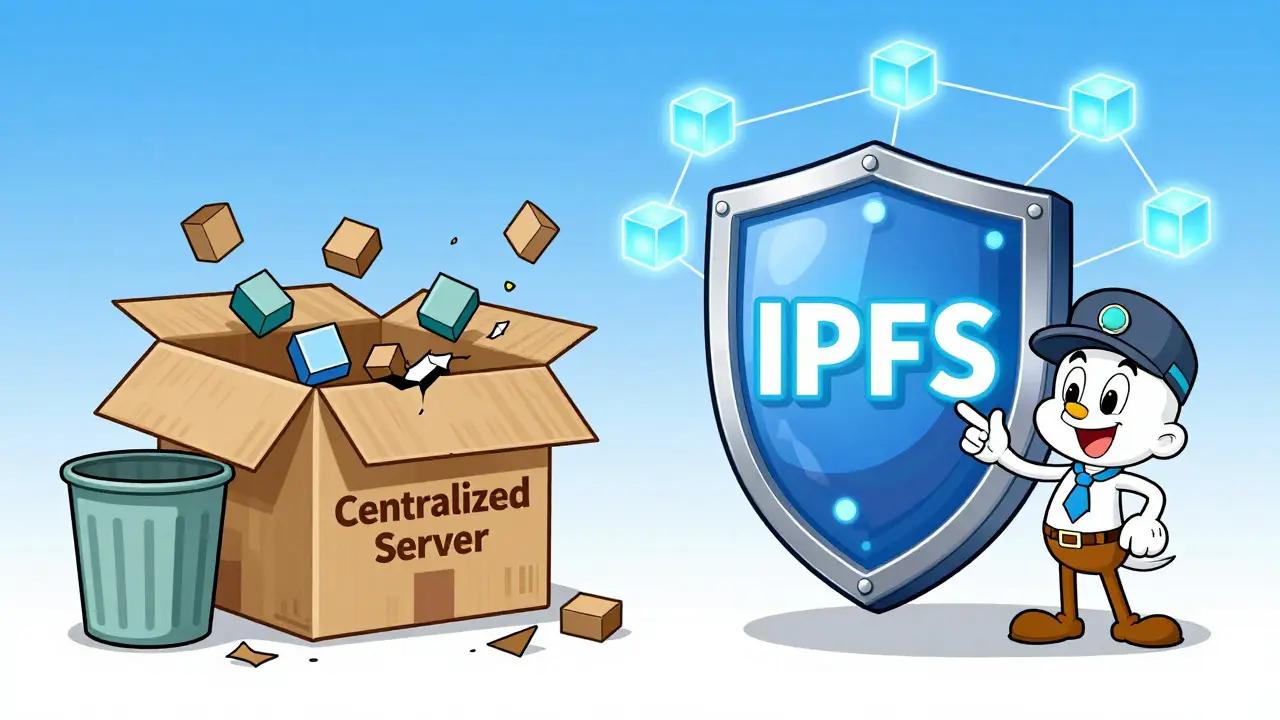
Centralized Storage Many early NFT projects stored their metadata on traditional servers like Amazon Web Services (AWS) or Google Cloud. This is cheap and easy to set up. However, it creates a single point of failure. If the company hosting the server goes bankrupt, changes its domain, or suffers a hack, the links in your metadata rot. We saw this happen during the collapse of Nifty Gateway in 2022, where thousands of NFTs became temporarily inaccessible because their metadata relied on centralized infrastructure that went down.
Decentralized Storage
To solve this, developers use systems like IPFS (InterPlanetary File System). Instead of using a URL like www.example.com/image.jpg, IPFS uses a cryptographic hash (a long string of characters starting with Qm...). This hash points to the content itself, not a specific server. As long as one node in the network keeps the file pinned, the image remains accessible forever. Projects like CryptoPunks and Bored Ape Yacht Club used IPFS from the start, ensuring 100% uptime for their assets even as marketplaces changed.
| Feature | Centralized (AWS/S3) | Decentralized (IPFS/Filecoin) |
|---|---|---|
| Cost | Low monthly fees | Variable (pinning services may charge) |
| Censorship Resistance | Low (host can delete files) | High (distributed across nodes) |
| Permanence | Risky (link rot possible) | High (if properly pinned) |
| Complexity | Easy to implement | Requires technical setup |
| Market Perception | Lower trust | Higher trust/value |
Why Metadata Quality Impacts Value
You might wonder if the backend storage method really matters to a buyer. The answer is yes. In 2024, a study by NonFungible.com analyzing over 1.2 million transactions found that NFTs with complete, decentralized metadata fetched prices 22.7% higher on average than those with centralized or incomplete data.
Why? Because collectors are risk-averse. They know that if the metadata is hosted on a fragile central server, they might end up owning a "broken" token. Platforms like Foundation and KnownOrigin, which enforce stricter metadata standards, maintain higher user ratings (4.6/5.0) compared to earlier iterations of platforms that allowed loose centralized hosting.
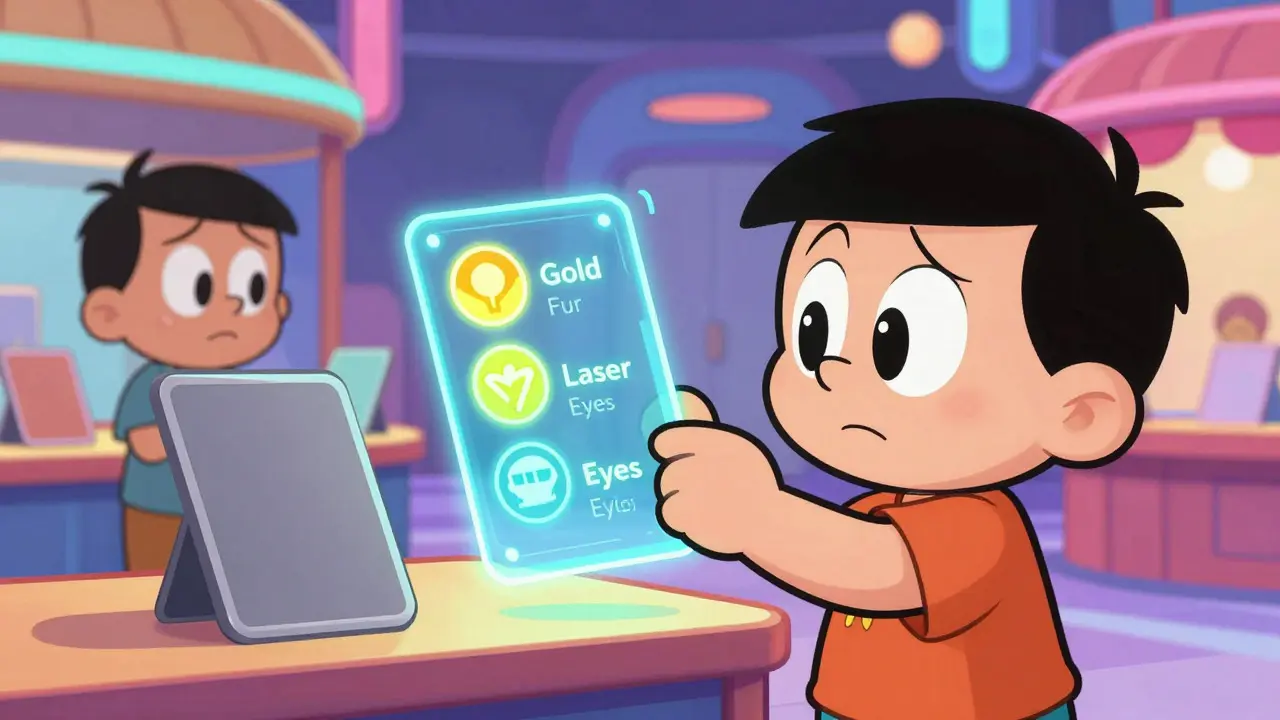
Furthermore, metadata drives discoverability. Marketplaces use attributes (like "Gold Fur" or "Laser Eyes") to filter search results. If these attributes aren’t clearly defined in the JSON file, your NFT won’t appear in relevant searches, reducing its liquidity and visibility.
Common Pitfalls and How to Avoid Them
Even experienced creators make mistakes with metadata. Here are the most common issues and how to fix them:
- Link Rot: Using HTTP links instead of HTTPS or IPFS hashes. Always use secure, permanent links.
- Missing Attributes: Forgetting to include trait backgrounds or accessories in the JSON. This hurts rarity calculations.
- Incorrect MIME Types: Labeling a PNG file as a JPEG in the metadata. This can cause images to fail loading on some wallets.
- Overloading On-Chain Data: Trying to put too much text directly into the smart contract. This spikes gas fees significantly. Keep detailed descriptions off-chain.
A critical vulnerability noted by cryptography researcher Dr. Sarah Jamie Lewis is authentication. Nearly 78% of NFT metadata implementations fail to properly authenticate content, meaning a hacker could theoretically swap the image link in the metadata to point to a different image without changing the token ownership. Always verify that the metadata source is signed or immutable after deployment.
The Future: EIP-7617 and Zero-Knowledge Proofs
The landscape of NFT metadata is evolving rapidly. The Ethereum Foundation has proposed EIP-7617, which aims to standardize metadata schemas for better interoperability across different apps and blockchains. Currently, each project defines its own attribute keys, making it hard for third-party tools to read data consistently. Standardization will fix this.
Looking ahead to 2026 and beyond, privacy is becoming a major concern. Forrester predicts that by 2026, 80% of NFT metadata will incorporate zero-knowledge proofs (ZKPs). This technology allows users to prove they own a certain type of NFT (e.g., "I have a Gold-tier pass") without revealing their wallet address or the specific token ID, enhancing both privacy and security.
As the global NFT market continues to grow, reaching $34 billion in 2023, the importance of robust metadata infrastructure cannot be overstated. It is no longer just about the art; it’s about the data integrity behind it.
What happens if NFT metadata is lost?
If the metadata is lost or the link breaks, the NFT still exists on the blockchain, but it loses its context. You will likely see a blank space, a broken image icon, or generic text instead of the intended artwork. The token retains its ownership history, but its visual and descriptive value becomes inaccessible unless the original host restores the files.
Is NFT metadata stored on the blockchain?
Usually, no. Due to high costs and storage limits, most NFTs store a reference (a URI) on the blockchain, while the actual metadata (JSON file) and media (images/videos) are stored off-chain on servers like AWS or decentralized networks like IPFS. Some newer blockchains allow more on-chain storage, but it is less common for large files.
Can NFT metadata be changed after minting?
It depends on how the smart contract was written. Most ERC-721 contracts have immutable metadata, meaning once set, it cannot be changed. However, some contracts allow the owner or admin to update the tokenURI. Only about 12% of NFT contracts currently support updates, so buyers should check the contract code if mutability is a concern.
What is IPFS and why is it used for NFTs?
IPFS (InterPlanetary File System) is a peer-to-peer protocol for storing and sharing files in a distributed file system. Unlike traditional web hosting, IPFS uses content addressing (hashes) rather than location addressing. This makes it censorship-resistant and ensures that as long as someone pins the file, it remains permanently accessible, preventing link rot.
How does metadata affect NFT rarity?
Metadata contains the "attributes" or "traits" of an NFT (e.g., background color, clothing, accessories). Rarity tools analyze these attributes across the entire collection to calculate how unique your specific NFT is. Accurate and detailed metadata is essential for correct rarity scoring, which directly influences market price.