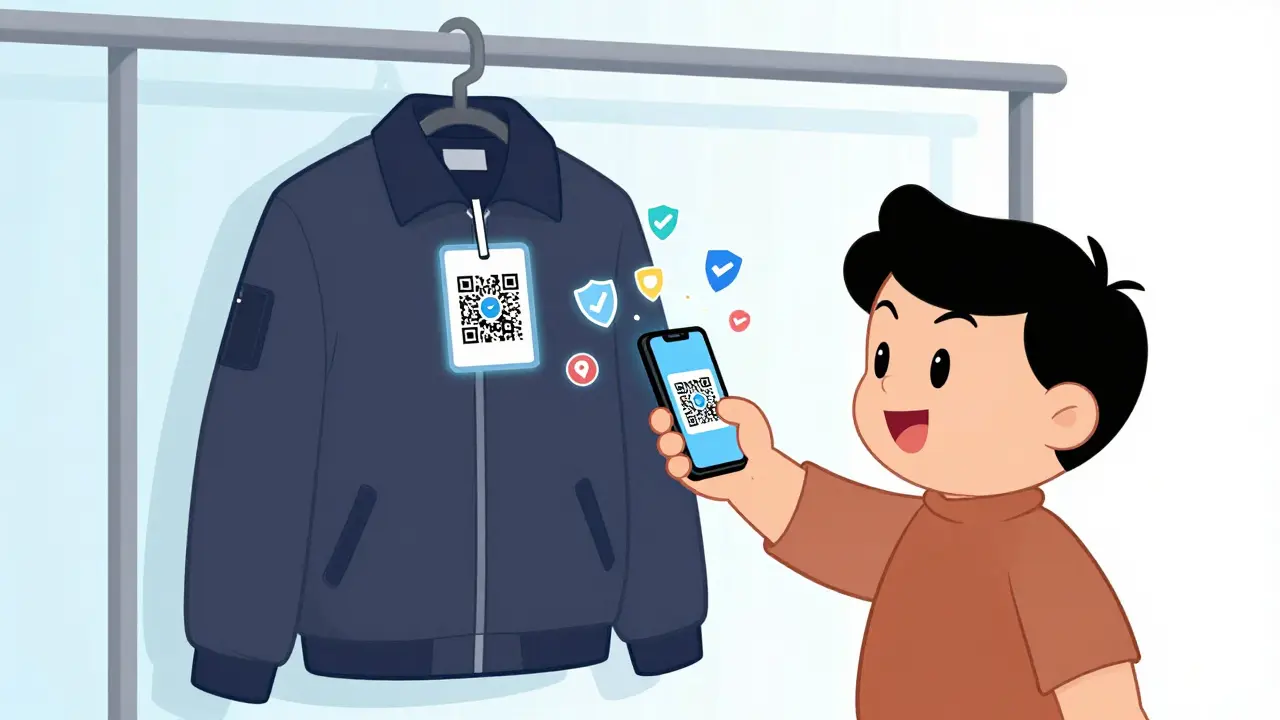
Imagine buying a limited-edition jacket online. You get the package, it looks right, but you have that nagging doubt: is this actually real? In the past, you might check a tag or call customer service. Today, you scan a QR code on the label. That code doesn’t just link to a website; it unlocks a unique digital certificate stored on a blockchain. This certificate proves exactly where the fabric came from, who stitched the seams, and when it left the factory. This isn't science fiction anymore. It’s the promise of Supply Chain NFTs.
If you’ve heard about NFTs mostly in the context of expensive digital art or profile pictures, you’re not alone. But there’s a quieter, more practical revolution happening behind the scenes. Companies are using these tokens not for speculation, but for verification. They are turning physical objects into verifiable digital assets. Let’s break down what this actually means for businesses and consumers, how it works under the hood, and why it matters now more than ever.
The Core Concept: From Art to Assets
To understand Supply Chain NFTs, we first need to strip away the hype surrounding non-fungible tokens. An NFT, or Non-Fungible Token, is simply a unique digital record. Unlike Bitcoin or Ethereum, which are fungible (one coin equals another), an NFT is one-of-a-kind. Think of it like a deed to a house. You can photocopy the paper, but only one copy holds legal weight. The blockchain ensures that digital weight.
In a supply chain context, this uniqueness becomes a powerful tool. Instead of representing a jpeg image, the token represents a physical item-a car engine, a bottle of medicine, or a pair of sneakers. When we talk about Supply Chain NFTs, we are talking about attaching this unchangeable digital identity to a physical object. This creates a "digital twin" that travels with the product from raw material extraction to your doorstep.
The magic happens because this data lives on a blockchain. A blockchain is a distributed ledger, meaning copies of the record exist across many computers simultaneously. Once information is written-like "this batch of steel was tested on May 10, 2026"-it cannot be altered without breaking the entire chain. This immutability is the foundation of trust. You don’t have to trust the manufacturer’s word; you trust the math.
How the Technology Works in Practice
So, how does a digital token connect to a physical box sitting in a warehouse? It’s not magic; it’s a combination of hardware and software protocols.
- Minting: At the start of production, a unique token is created (minted) on the blockchain. This token contains metadata: serial numbers, specifications, and initial ownership details.
- Linking: This digital ID is linked to a physical identifier. Usually, this is a QR code, RFID tag, or barcode attached to the product or its packaging.
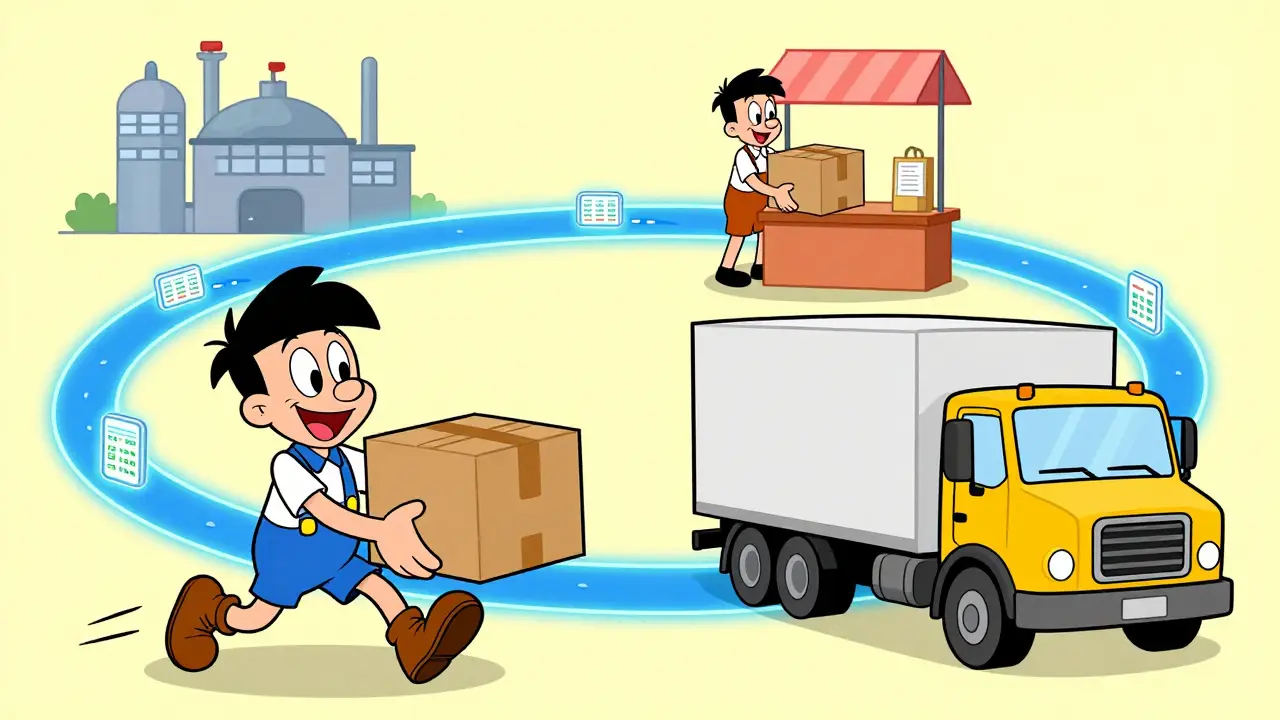
- Tracking: As the product moves through the supply chain, every handoff is recorded. A factory worker scans the code when packing. A shipping company scans it when loading the truck. A retailer scans it when receiving stock. Each scan adds a new entry to the NFT’s history.
- Verification: Finally, the end consumer scans the code. Their phone connects to the blockchain and displays the full journey. If the data matches the expected path, the product is authentic.
This process relies heavily on smart contracts. These are self-executing programs on the blockchain that automate actions based on predefined rules. For example, a smart contract might automatically release payment to a supplier once the logistics provider confirms delivery via a scan. This reduces paperwork and delays significantly.
Data storage is another critical piece. Blockchains aren’t great at storing large files. So, while the token itself lives on-chain, detailed documents (like certificates of origin or photos) are often stored off-chain using systems like IPFS (InterPlanetary File System). The NFT then holds a hash-a unique fingerprint-that points to this external data, ensuring nothing has been tampered with since it was uploaded.
Why Industries Are Betting on This
You might wonder why companies would invest in such complex technology. The answer lies in three massive problems: counterfeiting, inefficiency, and lack of transparency.
Counterfeiting is a global crisis. According to OECD reports, fake goods account for hundreds of billions of dollars in lost revenue annually. Luxury brands lose millions to replicas. Pharmaceutical companies face life-threatening risks when fake drugs enter the market. Supply Chain NFTs offer a near-perfect solution for authentication. Because the blockchain record is public and immutable, it is incredibly difficult for counterfeiters to replicate the digital history associated with a genuine product.
Beyond security, there is efficiency. Traditional supply chains rely on siloed databases. One company uses SAP, another uses Excel, and a third uses paper logs. Reconciling these records takes time and leads to errors. With a shared blockchain ledger, all stakeholders see the same truth in real-time. This improves inventory management, reduces disputes over damaged goods, and speeds up financial settlements.
Transparency is also becoming a consumer demand. Modern shoppers want to know if their products were ethically sourced. Did the cobalt in my phone come from a conflict-free mine? Was this coffee farmer paid fairly? NFTs can store this provenance data, allowing brands to prove their ethical claims rather than just stating them.
| Feature | Traditional Barcodes/RFID | Supply Chain NFTs |
|---|---|---|
| Data Ownership | Centralized (single company) | Distributed (shared among partners) |
| Tamper Resistance | Low (database can be edited) | High (immutable ledger) |
| Traceability Level | Batch/Lot level | Individual Item level |
| Consumer Access | Limited (internal use) | Full (publicly verifiable) |
| Cost Structure | Lower upfront, higher reconciliation costs | Higher setup, lower transaction friction |
Real-World Applications
While still maturing, several industries are already testing or deploying these systems.
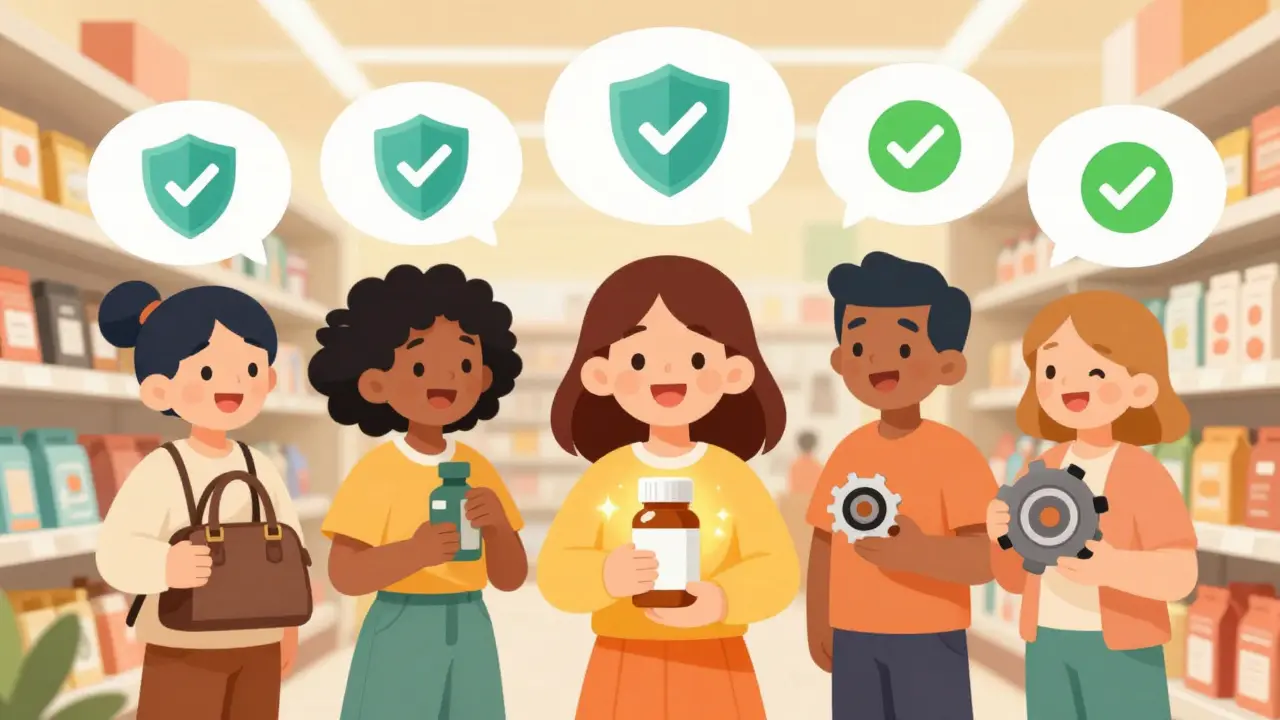
Luxury Goods: Brands like LVMH and Prada have explored digital passports for their items. A buyer of a $5,000 handbag gets an NFT that proves authenticity. This also opens up secondary markets, where resale value is protected by verified history.
Pharmaceuticals: Drug diversion and counterfeiting cost the industry billions. By assigning an NFT to each prescription bottle, regulators and pharmacies can verify the drug’s journey from the manufacturing plant to the patient. This is crucial for high-value medications like cancer treatments.
Food Safety: In the event of a contamination outbreak, traditional tracking can take days to identify affected batches. With NFTs, retailers can pinpoint exact individual items in seconds, minimizing waste and protecting public health. Walmart has piloted similar blockchain initiatives for leafy greens, showing significant speed improvements.
Automotive: Car parts have complex histories involving multiple suppliers. NFTs help track warranty status, repair history, and part authenticity, reducing fraud in the used car market.
The Challenges We Can’t Ignore
It’s important to be realistic. Supply Chain NFTs are not a silver bullet. There are significant hurdles to widespread adoption.
Energy Consumption: Early blockchain networks like Bitcoin used proof-of-work mechanisms that consumed vast amounts of electricity. While newer platforms like Ethereum have shifted to proof-of-stake (reducing energy use by over 99%), the environmental impact remains a concern for eco-conscious brands. Choosing the right blockchain network is critical.
Integration Complexity: Most companies run legacy systems built decades ago. Connecting these old databases to modern blockchain infrastructure requires significant IT investment and expertise. It’s not just about buying software; it’s about rewriting processes.
Standardization: Currently, there is no universal standard for how Supply Chain NFTs should be structured. One company’s NFT might look completely different from another’s. Without interoperability, we risk creating new digital silos rather than solving the visibility problem.
Scalability: Blockchains can struggle with high transaction volumes. If a major retailer tries to mint an NFT for every single item sold during Black Friday, the network could congest, leading to slow processing times and high fees.
Looking Ahead: What Comes Next?
As of 2026, the technology is moving from experimental pilots to early commercial deployment. We are seeing a shift toward Layer 2 solutions-systems that build on top of main blockchains to increase speed and reduce costs. This makes NFTs viable for lower-cost items, not just luxury goods.
We are also seeing regulatory frameworks emerge. Governments are beginning to recognize digital product passports as valid forms of compliance documentation. This will likely accelerate adoption in regulated industries like healthcare and aerospace.
For businesses considering this path, the advice is simple: start small. Pick a high-value, low-volume product line where authentication is a pain point. Test the integration with key partners. Measure the reduction in fraud and administrative overhead. Then scale.
The future of supply chains isn’t just about moving boxes faster. It’s about building trust through transparent, verifiable data. Supply Chain NFTs provide the technical foundation for that trust. They turn every product into a story that can be read, verified, and trusted by anyone with a smartphone.
Are Supply Chain NFTs the same as regular NFTs?
Technically, yes, they use the same underlying token standards. However, their purpose differs. Regular NFTs often represent digital art or collectibles with speculative value. Supply Chain NFTs represent physical assets and focus on utility, traceability, and authentication rather than investment potential.
Can I buy a Supply Chain NFT directly?
Generally, no. Consumers receive the NFT automatically when they purchase a supported product. It is tied to the item’s ownership. You might be able to transfer the NFT if you sell the physical item, proving its history to the next buyer, but you don’t typically buy the NFT separately on a marketplace.
Is the data on a Supply Chain NFT private?
This depends on the blockchain used. Public blockchains make data visible to everyone, though sensitive details can be encrypted. Private or permissioned blockchains restrict access to authorized participants only. Many enterprise solutions use hybrid models to balance transparency with privacy.
What happens if the physical product is lost?
The NFT remains on the blockchain as a record of the item’s existence and history. If the product is lost or stolen, the owner can update the status in the system (e.g., marking it as "lost"). This prevents the item from being fraudulently resold, as the digital record will flag it as invalid.
Do I need crypto wallets to use Supply Chain NFTs?
Not necessarily. While the technology runs on blockchain, user interfaces are designed to be seamless. Consumers usually interact via QR codes scanned by standard smartphone cameras. The backend handles the wallet connections and blockchain interactions invisibly to the end-user.