
There’s no official underground crypto market in Ecuador - at least not one that’s documented, exposed, or widely known. But that doesn’t mean people aren’t trading crypto outside the system. In fact, they are - quietly, carefully, and often out of necessity.
Why People Bypass the Legal System
Ecuador’s economy has been shaky for years. Inflation creeps up, the national currency (the U.S. dollar, since 2000) loses purchasing power, and banks are slow to help ordinary people. Many Ecuadorians don’t have access to credit cards or international bank accounts. Salaries don’t keep up with prices. When you can’t buy dollars legally or send money abroad without paying 15% in fees, crypto starts looking less like a gamble and more like a lifeline. People aren’t breaking laws to be rebels. They’re breaking through barriers. The government says crypto isn’t illegal - you won’t go to jail for buying Bitcoin. But it’s not recognized as money either. You can’t pay your rent in Bitcoin. You can’t buy gas with Ethereum. So if you need to move value quickly, safely, or across borders, you turn to tools that work outside the system.How Crypto Moves Without Banks
The legal exchanges like Binance, Bybit, and Bit2Me are popular - and for good reason. They’re secure, regulated, and easy to use. But they require ID verification, bank links, and sometimes waiting days for withdrawals. For someone who needs cash in 30 minutes to pay a medical bill or send money to a family member abroad, that’s too slow. That’s where peer-to-peer (P2P) trading becomes essential. Binance P2P is the most used platform in Ecuador. Users post ads: “I’ll sell 100 USDT for cash in Quito.” Someone responds, meets them at a café, hands over bills, and the seller releases the crypto. No bank. No paperwork. No waiting. It’s fast, direct, and anonymous - unless you get caught. These trades happen in parking lots, libraries, and even gas stations. People use coded language: “I need 500 in cash for crypto” means “I want to buy $500 worth of USDT.” They avoid mentioning Bitcoin or crypto outright. Why? Because even though it’s legal, some bank tellers and police still don’t understand it. A cash deposit of $1,000 might trigger a suspicious activity report - even if it’s from a P2P crypto sale.The Gray Zone: No Laws, No Enforcement
There’s no law against private crypto trades in Ecuador. But there’s also no law protecting them. If you get scammed in a P2P deal - say, someone takes your cash and doesn’t send the crypto - you can’t go to court. The government won’t help. You’re on your own. This creates a risky environment. Some traders use trusted contacts, others rely on reputation systems built over months of trades. A few have formed small local networks - WhatsApp groups with 50-100 verified users who only trade with people they know. These aren’t criminal rings. They’re survival circles. There are no known underground crypto exchanges operating like dark web marketplaces. No Bitcoin ATMs hidden in alleyways. No unlicensed trading hubs. The closest thing to an “underground” market is just people using legal platforms in ways that avoid scrutiny - cash trades, unverified accounts, third-party intermediaries.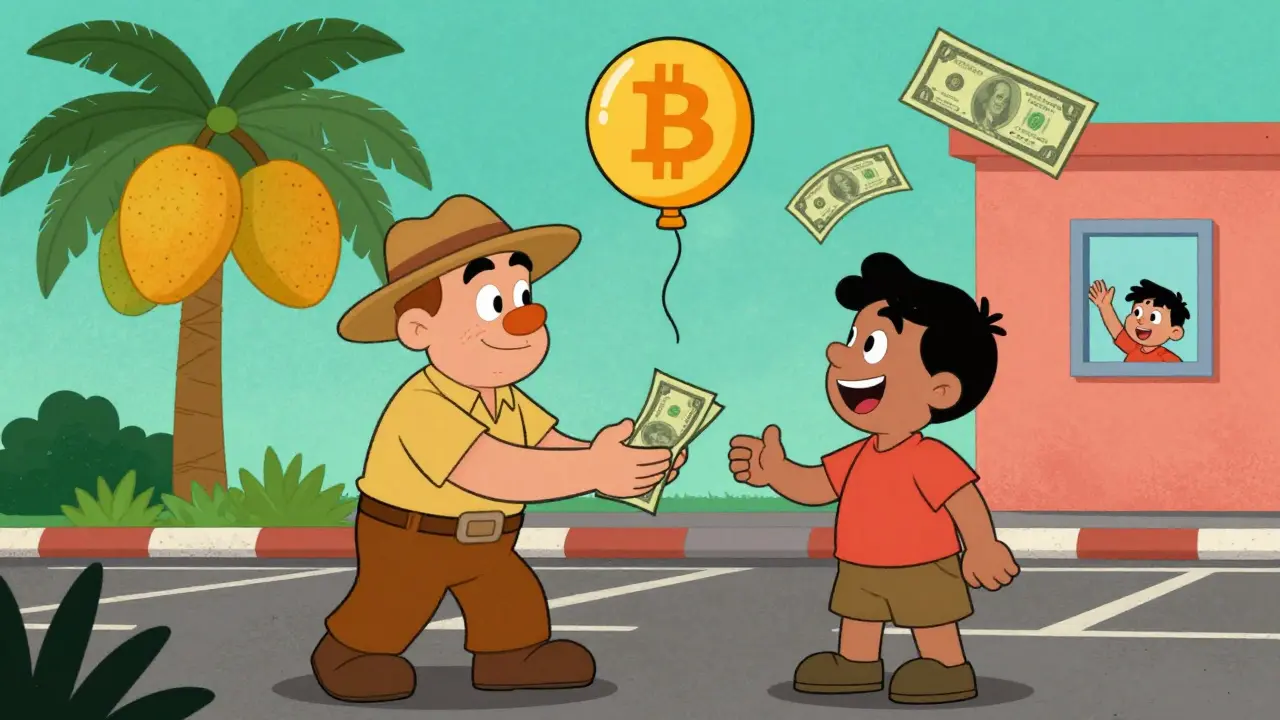
What the Government Doesn’t Talk About
Ecuador’s financial authorities don’t publish data on crypto usage. They don’t track P2P volume. They don’t release numbers on how many people are using crypto to bypass the banking system. Why? Because they don’t have the tools - or the will - to monitor it. The Central Bank of Ecuador has no jurisdiction over decentralized networks. Their 2018 electronic money law only applies to state-backed digital currency projects - which were abandoned years ago. So right now, crypto exists in a legal gray zone: not banned, not regulated, not monitored. That’s not a loophole. It’s a vacuum. And people are filling it.Who’s Using Crypto - And Why
Most crypto users in Ecuador aren’t speculators. They’re not day traders chasing moonshots. They’re teachers, nurses, small business owners, and farmers. - A teacher in Cuenca uses USDT to save money. She converts part of her salary to USDT every payday to protect against inflation. She doesn’t sell it - she holds it. - A farmer in Guayaquil sells mangoes to a distributor who pays in cash. He deposits the cash into a Binance P2P account, converts it to Bitcoin, and sends it to his son studying in Spain. No wire transfer fees. No delays. - A family in Quito uses crypto to receive remittances from relatives in the U.S. Instead of paying $40 to Western Union, they get a friend to send USDT. The recipient cashes out locally for $5 in fees. These aren’t outliers. They’re the norm. And they’re not illegal. But they’re invisible to regulators.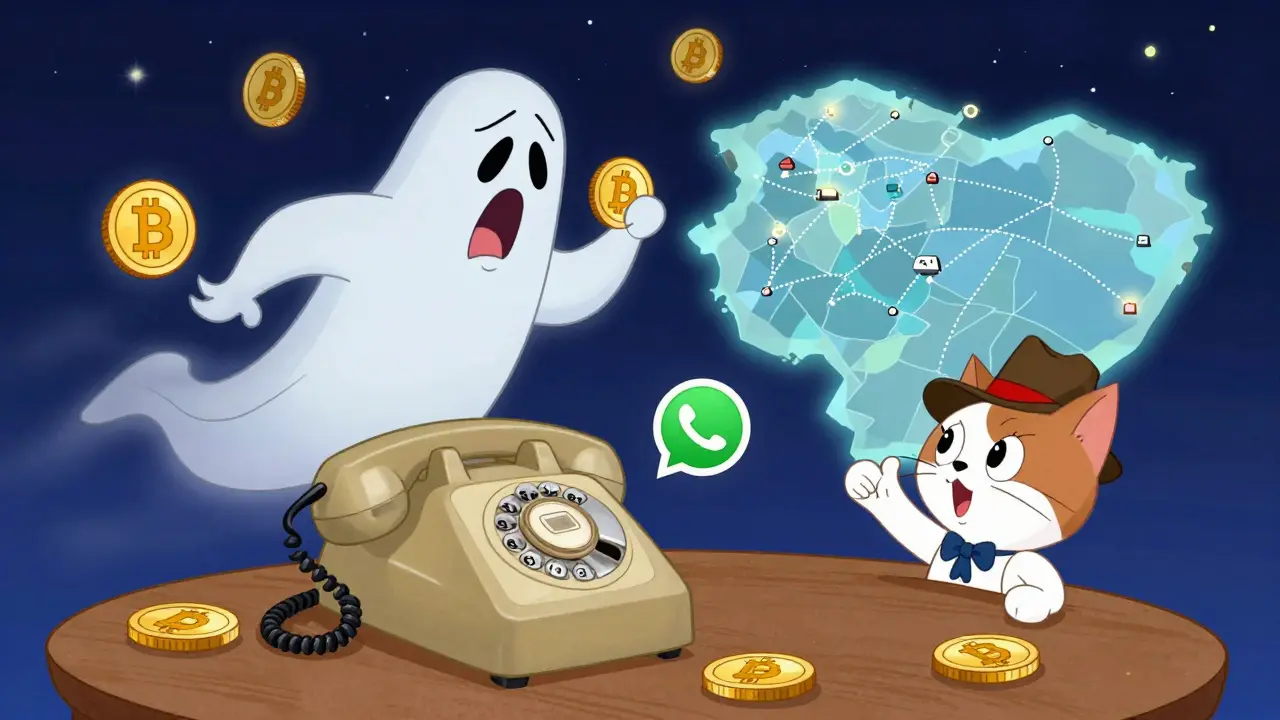
Daniel Verreault
January 5, 2026 AT 19:58prashant choudhari
January 7, 2026 AT 15:30Jake West
January 9, 2026 AT 11:13Shawn Roberts
January 9, 2026 AT 12:18Abhisekh Chakraborty
January 10, 2026 AT 23:45surendra meena
January 12, 2026 AT 01:01Mike Pontillo
January 12, 2026 AT 09:55Joydeep Malati Das
January 13, 2026 AT 06:48rachael deal
January 14, 2026 AT 16:48Elisabeth Rigo Andrews
January 14, 2026 AT 22:38Adam Hull
January 16, 2026 AT 00:42Mandy McDonald Hodge
January 17, 2026 AT 20:28Bruce Morrison
January 18, 2026 AT 19:35Andrew Prince
January 20, 2026 AT 11:12Jordan Fowles
January 20, 2026 AT 16:29Steve Williams
January 20, 2026 AT 20:23nayan keshari
January 22, 2026 AT 16:59Brandon Woodard
January 23, 2026 AT 14:10