Vietnam Crypto Tax: What You Need to Know in 2025
When it comes to Vietnam crypto tax, the tax treatment of cryptocurrency transactions under Vietnam’s 2025 legal framework. Also known as virtual asset taxation in Vietnam, it’s not about whether you owe taxes—it’s about whether you’re allowed to trade at all. The State Bank of Vietnam doesn’t treat crypto like money. It doesn’t recognize it as legal tender. And while you can buy, sell, or hold Bitcoin or Ethereum, the government has built a cage around it—so tight that no company has even applied for a license yet.
The State Bank of Vietnam, the central financial regulator responsible for overseeing all monetary policy and licensed digital asset platforms in Vietnam laid out rules in early 2025 that make crypto trading possible only through five approved exchanges. All trades must happen in Vietnamese dong. Stablecoins like USDT or USDC are banned. And to even apply for a license, a company needs $379 million in capital. That’s not a typo. No startup, no small exchange, no foreign platform can meet that bar. So while millions of Vietnamese people trade crypto privately, the official system is frozen.
That’s why crypto regulation Vietnam, the legal structure governing cryptocurrency ownership, trading, and taxation under Vietnamese law feels like a contradiction. The government says crypto isn’t illegal—but you can’t use it to pay for anything. You can’t open a crypto bank account. You can’t get a business license to accept it. And if you make a profit trading, there’s no official way to report it because no tax form exists. No one knows if you owe 10% or 35%. No one’s auditing wallets. But if you get caught moving large sums through unlicensed platforms, you could face fines or worse. The law doesn’t say what happens to individuals—but it doesn’t have to. The message is clear: stay under the radar.
What you’ll find in the posts below isn’t a tax guide. It’s a reality check. You’ll see how Vietnam’s crypto laws compare to Nigeria’s ban, how Switzerland taxes crypto as wealth instead of gains, and how scams thrive in gray zones like these. You’ll read about exchanges that vanished, airdrops that disappeared, and tokens with zero supply—all while the State Bank of Vietnam sits silent. This isn’t about filling out forms. It’s about surviving in a system that won’t acknowledge you’re even playing the game.
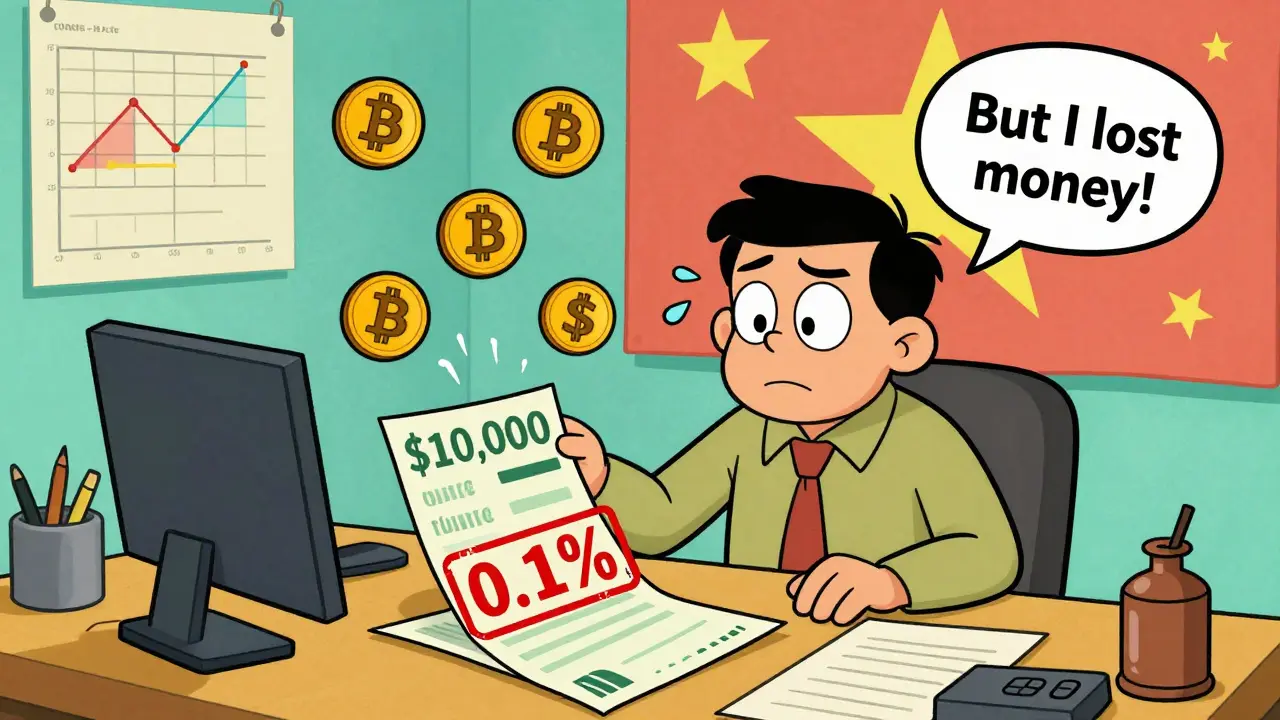
Vietnam is imposing a 0.1% tax on every crypto trade starting January 2026, regardless of profit. Traders must report all transactions, and exchanges warn it could hurt liquidity. Here's what you need to know.
View More