Turkey Crypto Regulation: What You Need to Know About Trading and Compliance
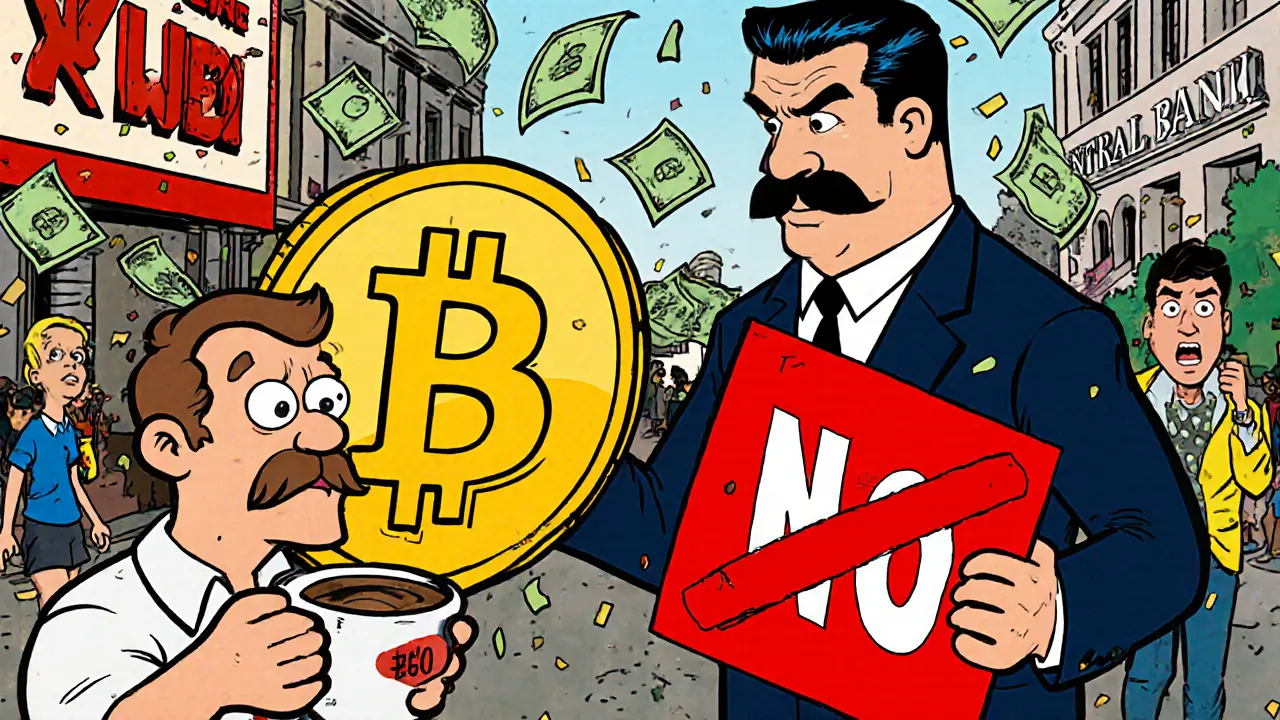
When it comes to Turkey crypto regulation, the country’s approach to digital assets is a mix of strict controls and widespread public adoption. Also known as crypto rules in Turkey, this framework forces exchanges to follow KYC rules, taxes crypto as income, and blocks fiat on-ramps—yet millions still trade daily. Unlike the U.S. or EU, Turkey never banned crypto outright, but it made it harder to use banks, credit cards, or traditional payment systems to buy Bitcoin or altcoins. The Central Bank of the Republic of Turkey banned the use of crypto for payments in 2021, not because it’s illegal to hold, but because they don’t want banks handling volatile assets. That’s why most Turks now trade through peer-to-peer platforms or offshore exchanges.
That’s where KYC Turkey, the mandatory identity verification process for crypto platforms. Also known as crypto identity checks in Turkey, it’s now required by law for any exchange serving Turkish users. If you’re using Binance, Bybit, or even a local P2P trader, you’ll need to submit your ID, proof of address, and sometimes even a selfie holding your document. This isn’t just bureaucracy—it’s how Turkey tries to track money flows and stop money laundering. But here’s the catch: many users still trade on unregulated platforms like LocalTrade, which skip KYC entirely. Those platforms are risky, often have fake volume, and can vanish overnight. The Turkish government doesn’t shut them down, but they won’t protect you if you lose money. Then there’s crypto tax Turkey, how the government treats profits from crypto trading. Also known as crypto income tax in Turkey, it’s simple: if you sell crypto for lira or another asset and make a profit, that gain is taxable as personal income. No one’s auditing every trade, but if you’re cashing out big, the tax office can request your transaction history from exchanges. The key is keeping records—even if you’re trading on a foreign platform. And while Turkey doesn’t have a national crypto exchange license program like Vietnam or Switzerland, it’s watching what happens elsewhere. If a platform wants to operate legally, it must comply with AML rules, report suspicious activity, and keep user data secure. That’s why platforms like Binance Turkey shut down their local fiat gateway but kept their crypto trading service running.
What you’ll find in the posts below are real stories from people who’ve been caught in Turkey’s crypto gray zone. You’ll read about unregulated exchanges that look legit but are hiding scams, how users bypass banking bans using P2P, and why KYC isn’t just a formality—it’s your only shield against fraud. There’s also a look at how Turkish traders are adapting: using stablecoins to protect savings, trading on decentralized platforms to avoid regulators, and learning the hard way why zero-supply tokens and fake airdrops are dangerous. This isn’t theory. It’s what’s happening right now in Istanbul, Ankara, and beyond. If you’re trading crypto in Turkey, you need to know the rules—because the law may not be perfect, but the consequences of ignoring it are very real.
Turkey has implemented one of the world’s strictest crypto frameworks, banning payments while forcing exchanges to obtain multi-million-dollar licenses. Learn how this affects traders, businesses, and political freedom.
View More