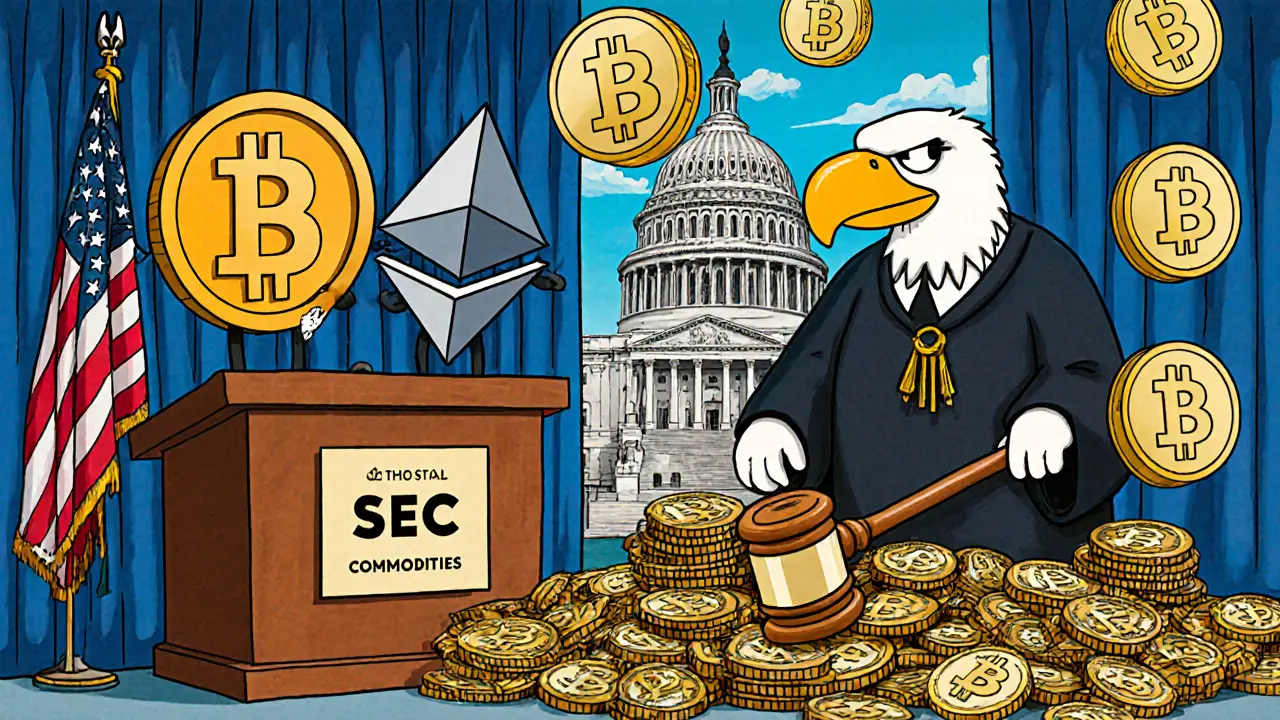
SEC Crypto Rules: What You Need to Know About U.S. Crypto Regulation
When it comes to SEC crypto rules, the set of regulations enforced by the U.S. Securities and Exchange Commission that determine which digital assets are treated as securities. Also known as crypto securities regulation, it's the single biggest force shaping what exchanges can list, who gets sued, and whether a new token is seen as a gamble or an investment. The SEC doesn’t write laws—it interprets existing ones, mainly the Howey Test, to decide if a crypto asset is a security. If it is, the project must register, disclose details, and follow strict rules—or face fines, lawsuits, and forced shutdowns.
That’s why you see platforms like LocalTrade flagged as unregulated scams, or why Metahero and HappyFans faded after their launches: they didn’t meet SEC expectations for transparency, team disclosure, or utility. The same rules apply to exchanges. If a platform lets users trade tokens that the SEC considers securities without registering as a broker-dealer, it’s breaking the law. That’s why KYC requirements are now mandatory on almost every major U.S.-facing exchange—KYC, the process of verifying a user’s identity to prevent money laundering and fraud. Also known as crypto identity verification, it’s not optional anymore. It’s the first line of defense against unregistered trading. Even privacy coins like Monero and Zcash are being delisted, not because they’re evil, but because their anonymity makes compliance impossible under current SEC enforcement, the actions taken by the SEC to penalize non-compliant crypto projects and exchanges. Also known as crypto regulatory crackdown, it’s become more aggressive since 2022.
The SEC doesn’t care if a token is called a coin, a utility token, or a meme. If it’s sold with the promise of profit from others’ efforts, it’s a security. That’s why projects like Margaritis (MARGA)—with zero supply and no team—are still on radar: they’re easy targets for fraud, and the SEC wants to shut them down fast. Meanwhile, platforms like Alien Base and VoltSwap survive because they focus on clear utility, avoid selling investment contracts, and operate outside U.S. jurisdiction. Even Flux and Spacemesh avoid trouble by not promising returns tied to token price growth.
What you’ll find here isn’t legal advice. It’s real-world examples of what happens when crypto runs into SEC rules. You’ll see how exchanges get shut down, why airdrops turn into scams, and how compliance isn’t just paperwork—it’s survival. Whether you’re trading, investing, or just holding crypto, these rules affect you. The next token you buy might be flagged tomorrow. The exchange you use might vanish next week. This collection shows you exactly what’s at stake—and how to spot the red flags before it’s too late.
The Investment and Securities Act 2025 brought the first clear federal rules for crypto trading in the U.S., classifying assets into three categories and ending years of regulatory chaos. Bitcoin is now a commodity, stablecoins are tightly controlled, and institutions can finally enter the market safely.
View More