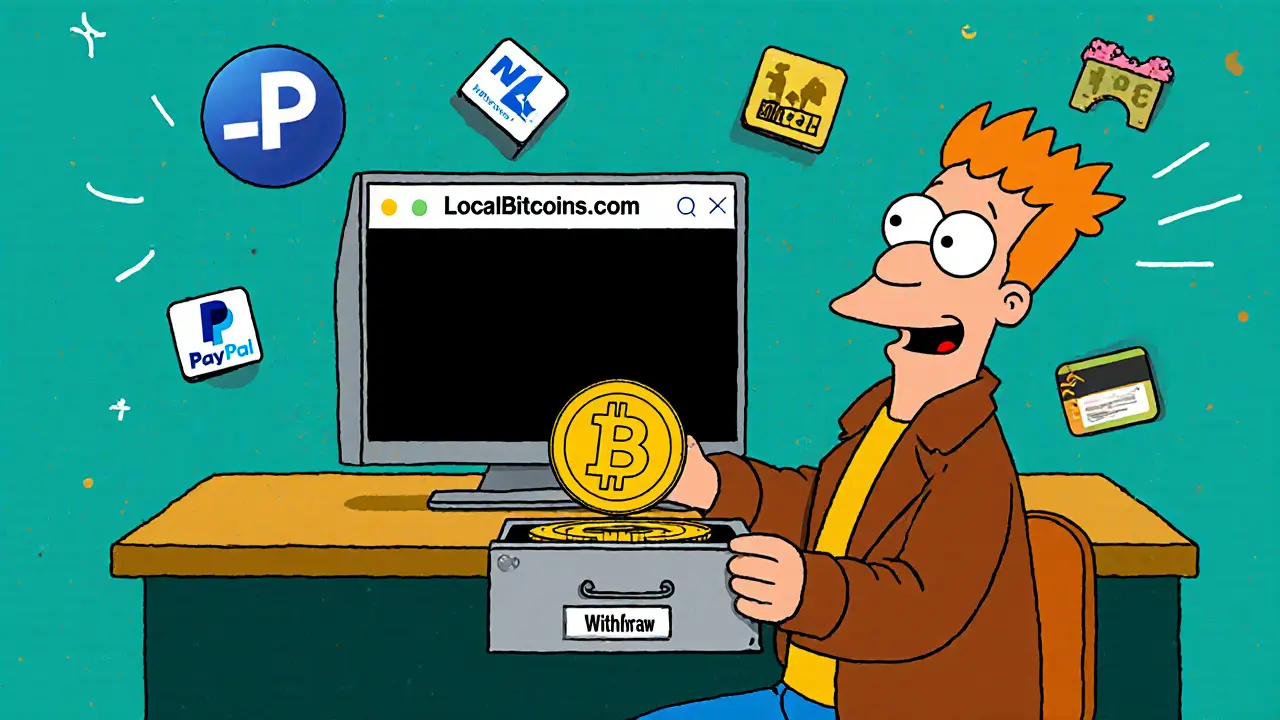
LocalBitcoins: What It Was, Why It Changed, and What Replaced It
When you think of LocalBitcoins, a peer-to-peer Bitcoin exchange that let users trade directly with each other using cash, bank transfers, or gift cards. Also known as P2P crypto exchange, it was one of the first platforms to make buying Bitcoin feel like buying something from a neighbor—no KYC, no middleman, just direct trades. For years, it was the go-to for people in countries with limited banking access or strict capital controls.
But LocalBitcoins didn’t survive the wave of global crypto regulation. As governments cracked down on unregulated financial channels, platforms like this became targets. The FATF Travel Rule, which forced exchanges to share user data across borders, made its anonymous, cash-based model impossible to maintain. By 2023, it shut down completely. What replaced it? A mix of newer P2P platforms like Bisq, a decentralized, open-source Bitcoin exchange that runs on your own device with no central server, and regulated services like Paxful, a peer-to-peer marketplace that kept cash trades alive but added KYC to stay compliant. These platforms still let you trade Bitcoin with cash, but now you’re more likely to need an ID, a phone number, and a verified email.
The shift wasn’t just about rules—it was about trust. LocalBitcoins had a reputation for scams, fake listings, and chargebacks. Many users lost money because there was no real dispute resolution. Today’s alternatives offer escrow, user ratings, and clearer rules. Even so, the core idea remains: buying Bitcoin without a bank. That’s why you’ll still find people trading in person, using Telegram groups, or hopping onto local forums. The demand for cash-based crypto access hasn’t disappeared—it just moved.
What you’ll find in this collection are deep dives into platforms that filled the gap left by LocalBitcoins, scams that mimic its old model, and the regulatory forces that changed how we trade crypto. You’ll read about unregulated exchanges that promise the same freedom but deliver risk, AML rules that forced changes across the industry, and how people in places like Vietnam and Nepal still find ways to buy Bitcoin without banks. This isn’t nostalgia—it’s survival. And if you’re still looking for a way to trade crypto without going through a giant exchange, you’re not alone. The tools have changed. The risks have changed. But the need? Still the same.
LocalBitcoins was the largest peer-to-peer Bitcoin exchange until it shut down in 2023 due to EU regulations. Learn what made it unique, why it closed, and which platforms now fill its role.
View More