Iranian Crypto Exchanges: What’s Real, What’s Risky, and Where to Trade
When it comes to Iranian crypto exchanges, crypto trading platforms used by individuals in Iran to buy, sell, and store digital assets despite government restrictions. Also known as local crypto platforms, they’re often the only way Iranians access global markets after international banks cut ties. Unlike in the U.S. or Europe, there’s no official list of licensed exchanges in Iran—just a mix of domestic platforms, peer-to-peer networks, and offshore services that locals rely on daily.
Most crypto regulation Iran, the set of rules and enforcement actions imposed by Iranian authorities on cryptocurrency trading and mining is built around control, not protection. The government doesn’t ban crypto outright—it just makes it hard to use fiat currency to buy it. Banks won’t touch crypto transactions, so people turn to crypto KYC Iran, the identity verification process required by local exchanges to comply with unofficial government monitoring. Many platforms ask for national ID numbers, phone numbers, and even selfies—just enough to track you without giving you legal protection. If something goes wrong, you’re on your own.
That’s why so many Iranian traders end up using unregulated platforms like LocalTrade or Decoin—exchanges with no audits, no team info, and no customer support. These aren’t just risky—they’re often designed to drain accounts and vanish. Meanwhile, legitimate services like VoltSwap or Spacemesh, which focus on privacy and decentralized tech, are rarely accessible because they don’t support Iranian IP addresses or local payment methods. The real challenge isn’t finding crypto—it’s finding a safe, reliable way to trade it without getting scammed or flagged by authorities.
And then there’s the mining side. Iran has some of the cheapest electricity in the world, which made it a hotspot for Bitcoin miners—until the government started shutting down farms and demanding licenses. Now, miners either go underground or pay bribes to keep running. The same pressure applies to exchanges: if they grow too big, they get targeted. That’s why most platforms stay small, anonymous, and cash-only.
What you’ll find in the posts below isn’t a list of recommended exchanges. It’s a reality check. You’ll see reviews of platforms that look promising but are scams. You’ll learn about tokens with zero supply that still show up on price trackers. You’ll read about airdrops that never happened and IDOs that vanished overnight. These aren’t random stories—they’re patterns. And if you’re in Iran or trying to trade with Iranians, you need to know them.
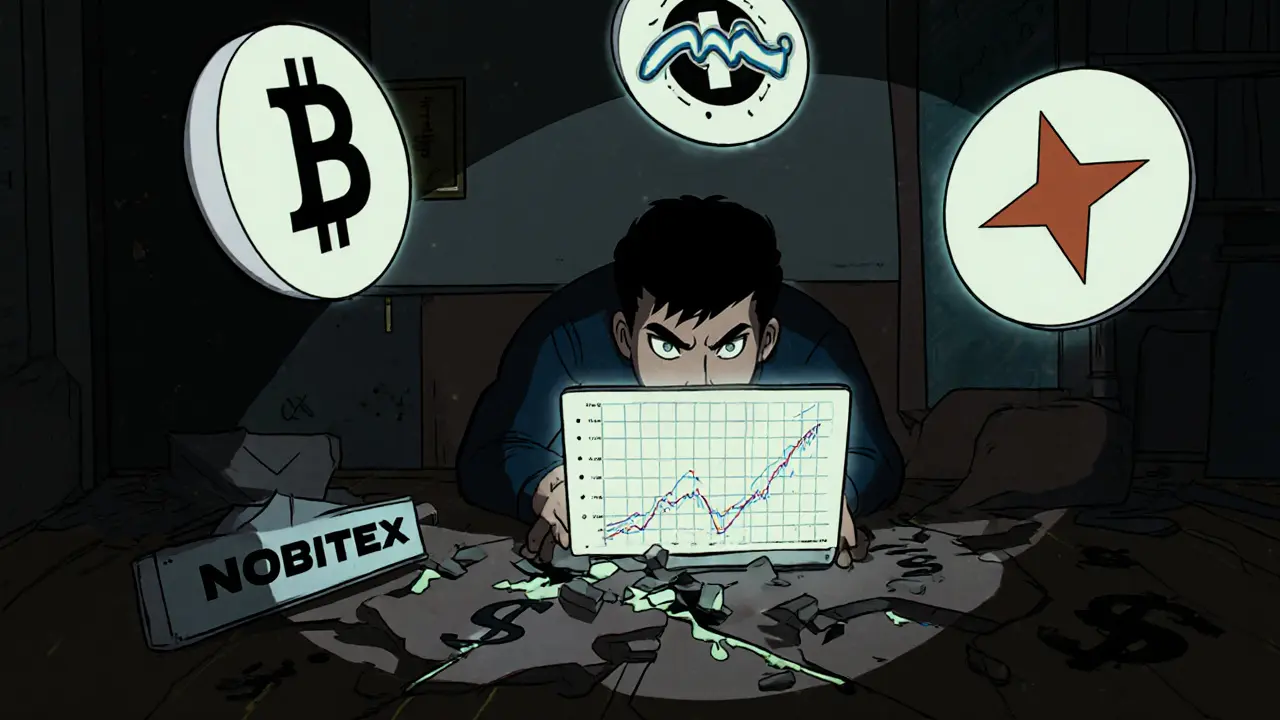
Iranian citizens rely on crypto to bypass sanctions. In 2025, exchanges like MEXC, XT.com, and KuCoin still work, while Nobitex collapsed after a $90M hack. DAI has replaced USDT as the safe stablecoin. Here’s what still works and how to stay secure.
View More