FCA Crypto Rules: What You Need to Know About UK Crypto Regulations
When it comes to FCA crypto rules, the regulatory framework set by the UK’s Financial Conduct Authority to oversee crypto activities and protect consumers. Also known as UK crypto regulation, it’s the main reason why some exchanges won’t let you trade unless you’ve passed KYC, and why others have shut down entirely. If you’re trading crypto in the UK, these rules aren’t optional—they’re the line between legal use and serious legal risk.
The FCA doesn’t just want to stop scams; it wants to make sure you know what you’re getting into. That’s why crypto exchanges, platforms that let you buy, sell, or trade digital assets. Also known as crypto trading platforms, they must now be registered with the FCA to operate legally in the UK. Unregistered platforms like LocalTrade or Decoin? They’re not just risky—they’re illegal under FCA rules. The FCA also cracks down hard on crypto airdrops, free token distributions often used to lure users into fake or worthless projects. Also known as crypto giveaways, they’re a major red flag if they promise guaranteed returns or require you to send crypto first.. You’ll see this in posts about HappyFans, BABYDB, and LEOS—these weren’t just failed projects, they were likely violating FCA rules on misleading promotions.
It’s not just about exchanges and airdrops. The FCA also regulates how crypto is marketed. Ads that say "earn 50% monthly" or "risk-free investment"? Banned. That’s why you won’t see those kinds of claims on FCA-licensed platforms. Even privacy coins like Monero and Zcash are under pressure—not because they’re illegal, but because they make it harder for the FCA to track suspicious activity. That’s why they’re being delisted from UK-facing exchanges. And if you’re thinking about using a stablecoin or trading on a foreign platform, remember: the FCA doesn’t protect you if the platform isn’t registered. Your money, your risk.
These rules aren’t just about control—they’re about survival. In 2025, over 1.5 million UK residents hold crypto. The FCA knows that. And instead of banning it outright, they’re forcing the industry to clean up. That’s why KYC is everywhere now, why SARs (suspicious activity reports) are mandatory, and why you can’t just launch a token and call it a day. The FCA crypto rules are forcing transparency. They’re making it harder for fraudsters to hide. And for you? That means fewer scams, more trustworthy platforms, and real accountability.
Below, you’ll find real reviews and breakdowns of platforms, tokens, and projects that either followed these rules—or ignored them completely. Some made it. Others vanished. The difference? Whether they played by the FCA’s book.
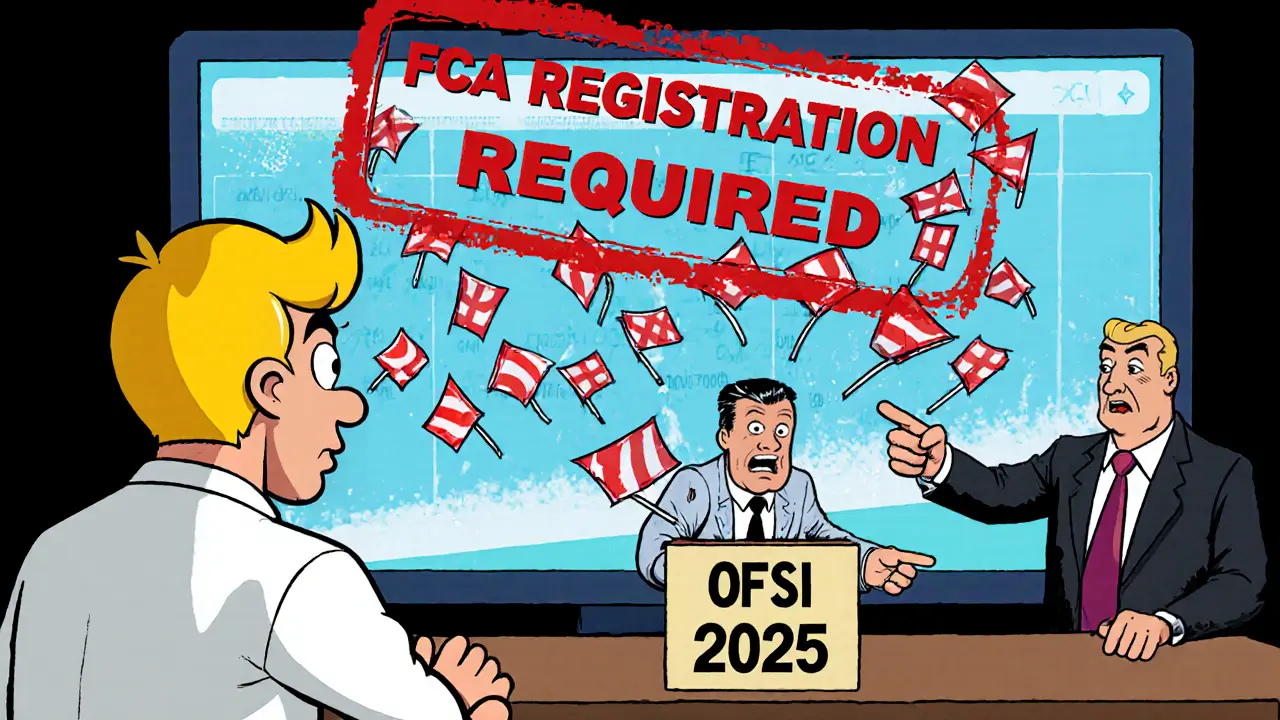
UK crypto firms face strict sanctions compliance rules in 2025. OFSI and FCA require real-time monitoring, Travel Rule enforcement, and blockchain analytics to prevent sanctions evasion. Non-compliance risks heavy fines and business closure.
View More