FATF Travel Rule: What It Means for Crypto Exchanges and Your Wallet
When you send crypto from one exchange to another, the FATF travel rule, a global standard set by the Financial Action Task Force to prevent money laundering through digital assets. Also known as Rule 16, it requires crypto platforms to share sender and receiver info for transactions over $1,000. This isn’t optional—it’s mandatory for any exchange that wants to work with banks or operate in the U.S., EU, UK, Japan, and most major economies. If a platform ignores it, they get cut off from the financial system.
This rule directly connects to KYC crypto, the process of verifying a user’s identity before allowing trades or withdrawals. Without KYC, exchanges can’t comply with the travel rule. That’s why nearly every major exchange now asks for your ID, proof of address, and sometimes even a selfie. It’s not just about bureaucracy—it’s about stopping criminals from hiding funds behind anonymous wallets. And it’s why privacy coin delisting, the removal of coins like Monero and Zcash from exchanges due to regulatory pressure has become so common. These coins were built to hide transaction details, but the FATF says that’s exactly what makes them dangerous. Exchanges don’t want to risk fines or shutdowns, so they drop them.
The ripple effect hits everyone. If you trade on a small, unregulated platform like LocalTrade or Decoin, you might think you’re avoiding KYC—but those platforms are often the ones getting flagged for scams, fake volume, or worse. Meanwhile, bigger platforms like Kraken or Coinbase now follow strict AML crypto, anti-money laundering protocols that track suspicious activity across networks. You’re not just giving up privacy—you’re gaining protection. The rule forces platforms to be accountable. If something goes wrong, there’s a trail. If you get scammed, there’s a chance someone can trace it.
What you’ll find in the posts below are real-world examples of how this rule is changing the crypto landscape. From Vietnam’s $379 million licensing requirements to Turkey’s payment bans, you’ll see how governments are enforcing the FATF travel rule in ways that surprise even seasoned traders. You’ll also see how scams exploit confusion around compliance—like fake airdrops pretending to be from regulated platforms. This isn’t theory. It’s happening right now, and it’s reshaping what’s safe to use, what’s worth trading, and what you should avoid at all costs.
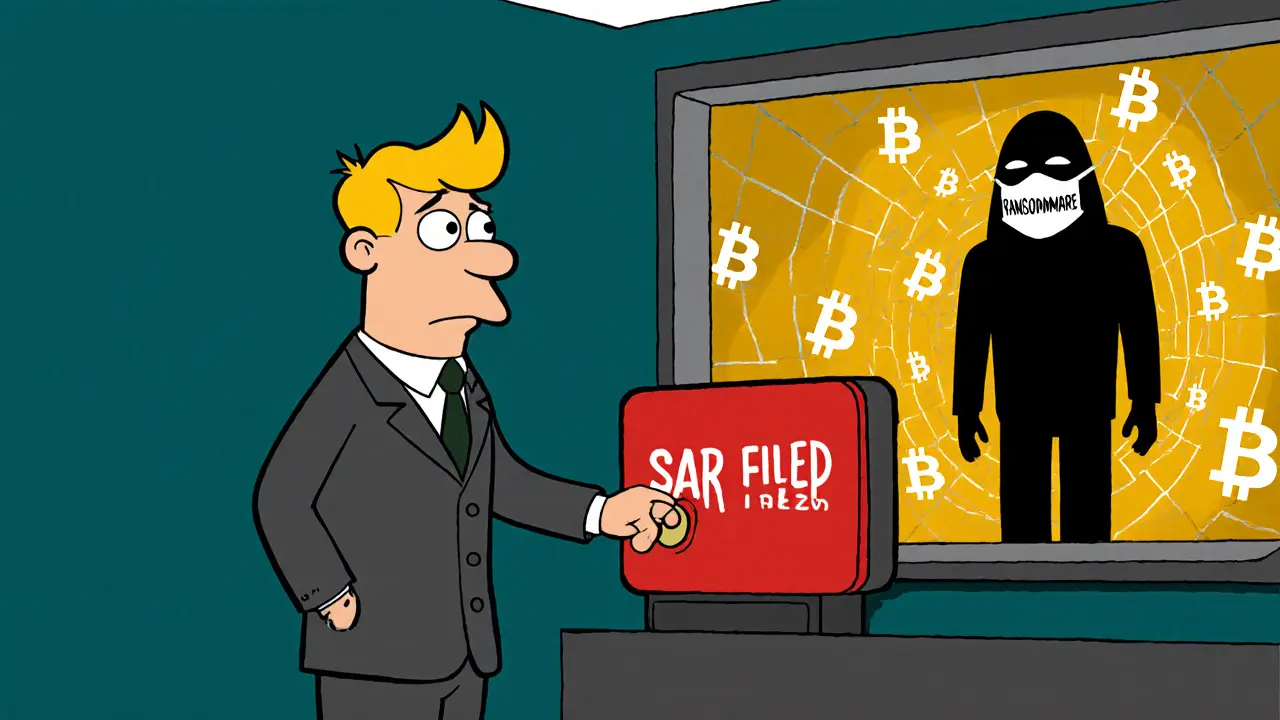
Suspicious Activity Reporting in crypto is how exchanges and platforms flag money laundering and fraud. Learn what triggers a report, how it works, and why it matters for the future of digital assets.
View More