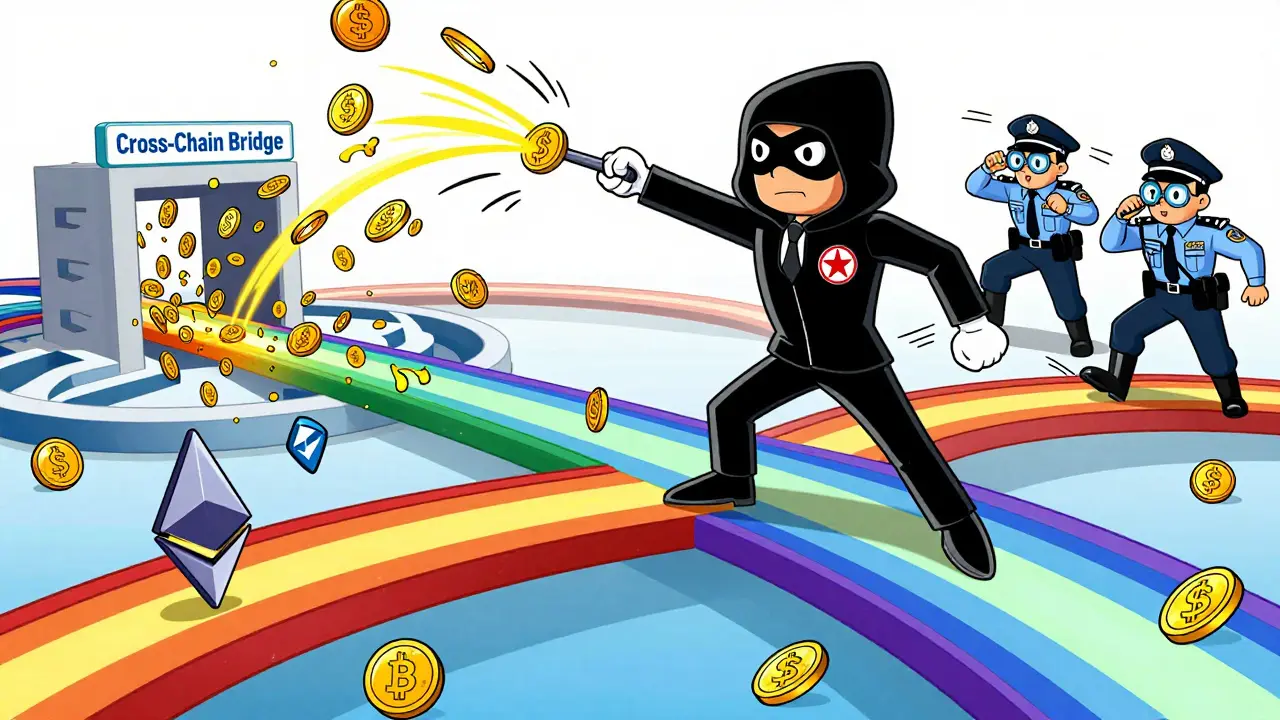
DPRK Hackers: What They Do, How They Operate, and Why It Matters to Crypto Users
When you hear DPRK hackers, state-sponsored cyber operatives from North Korea trained to steal digital assets and disrupt global financial systems. Also known as Lazarus Group, they're not your typical online criminals—they're a well-funded, highly disciplined cyber warfare unit with direct ties to the North Korean government. These hackers don’t break into your home Wi-Fi. They target crypto exchanges, DeFi protocols, and wallet providers with surgical precision, often walking away with hundreds of millions in Bitcoin, Ethereum, and stablecoins.
What makes DPRK hackers different is their long-term strategy. They don’t just grab cash and run. They study how exchanges work, exploit slow patch cycles, and use fake identities to infiltrate teams. In 2022, they stole $625 million from Axie Infinity’s Ronin Bridge using a compromised multi-signature key. In 2024, they hit a Korean-based DeFi platform by planting malware in a developer’s build environment. These aren’t random attacks—they’re operations with intel, patience, and military-grade tools. And they’re not slowing down. According to Chainalysis, North Korea-linked groups stole over $2 billion in crypto between 2017 and 2024, making them the most successful cyber thieves in blockchain history.
Why should you care if you’re just trading on Coinbase or holding Bitcoin in a hardware wallet? Because crypto theft, the illegal transfer of digital assets through hacking, fraud, or exploits drives up fees, reduces liquidity, and makes exchanges more paranoid. When a big exchange gets hit, they tighten security—adding layers of KYC, freezing withdrawals, or even delisting tokens you own. That’s not just inconvenient. It’s a direct hit to your freedom to move money. And when blockchain security, the measures used to protect digital assets from theft, fraud, and system compromise gets worse because of these attacks, everyone pays the price.
These hackers don’t just steal—they create chaos. They fund weapons programs with stolen crypto. They run fake airdrops to trap unsuspecting users. They even use meme coins and dead projects as money laundering fronts. That’s why you’ll see so many posts here about scams like MakiSwap, VVS Finance, and Satowallet. Many of those weren’t just greedy devs—they were fronts for DPRK-linked operations. The same tools used to drain liquidity from a DEX are the same ones used to steal from banks. The line between a shady token and a state-sponsored heist is thinner than you think.
You won’t find a magic fix for DPRK hackers. But you can protect yourself by understanding their patterns: avoid unverified DEXs, check for real team info before investing, and never reuse keys across platforms. The posts below dive into exactly that—real cases of stolen funds, broken exchanges, and the red flags that scream "this is a DPRK operation." Whether it’s a token with zero supply like MARGA or a fake airdrop like PEPE MAGA, these aren’t just bad projects. They’re battle-tested traps.
North Korean hackers are stealing billions in crypto by hopping across blockchains to hide their tracks. This is how they do it-and why it’s a global security threat.
View More