Crypto Trading Regulations: What You Need to Know in 2025
When it comes to crypto trading regulations, the rules that govern how digital assets are bought, sold, and reported to authorities. Also known as digital asset compliance, these rules now shape everything from which exchanges you can use to whether you can even trade certain coins. It’s not just about legality—it’s about safety. If you’re trading crypto today, you’re already under these rules, whether you realize it or not.
Take KYC crypto exchanges, platforms that require users to verify their identity before trading. In 2025, nearly every major exchange enforces this. You’ll need a government ID, proof of address, and sometimes a selfie. It’s not just bureaucracy—it’s your protection. Scam platforms like LocalTrade and Decoin avoid KYC on purpose. That’s why they’re dangerous. Legit exchanges use KYC to block fraudsters and freeze stolen funds. If a platform skips this step, your money has no safety net.
Then there’s AML crypto, anti-money laundering systems that track suspicious transactions. These aren’t optional. Exchanges must report anything unusual—like sudden large transfers or repeated small deposits to hide origin—to agencies like FinCEN. That’s why privacy coins like Monero and Zcash are being removed from major exchanges. Regulators see them as tools for hiding illegal activity. If you’re using a privacy coin, you’re not just trading—you’re stepping into a gray zone where your wallet might get flagged or frozen.
Some countries are going further. Vietnam’s crypto compliance 2025, the strictest framework in Southeast Asia, requiring exchanges to hold $379 million in capital and banning stablecoins, has forced every local platform to shut down or go dark. Nepal bans crypto entirely—with jail time as a penalty. Meanwhile, Switzerland taxes your crypto holdings as wealth, not gains, meaning you report your total balance every year, not just your profits. These aren’t abstract laws. They directly impact where you can trade, what coins you can hold, and how much you pay in taxes.
And it’s not just about big exchanges. Even decentralized platforms aren’t immune. If a DEX like VoltSwap or Alien Base grows large enough, regulators will come knocking. They don’t care if it’s decentralized—they care if real people are using it to move money. That’s why some DeFi tools now include built-in compliance checks. You might not see them, but they’re there.
What you’ll find below are real cases—platforms that broke the rules, coins that vanished under scrutiny, and countries that changed the game. Some posts expose scams hiding behind fake compliance. Others show you how to stay legal while still trading smart. You’ll see why a zero-supply token like MARGA is a red flag, why fake airdrops like LEOS and BABYDB are traps, and how countries like Turkey and Vietnam are rewriting the rules overnight. This isn’t theory. It’s what’s happening right now. And if you’re trading crypto in 2025, you need to know it before you click buy.
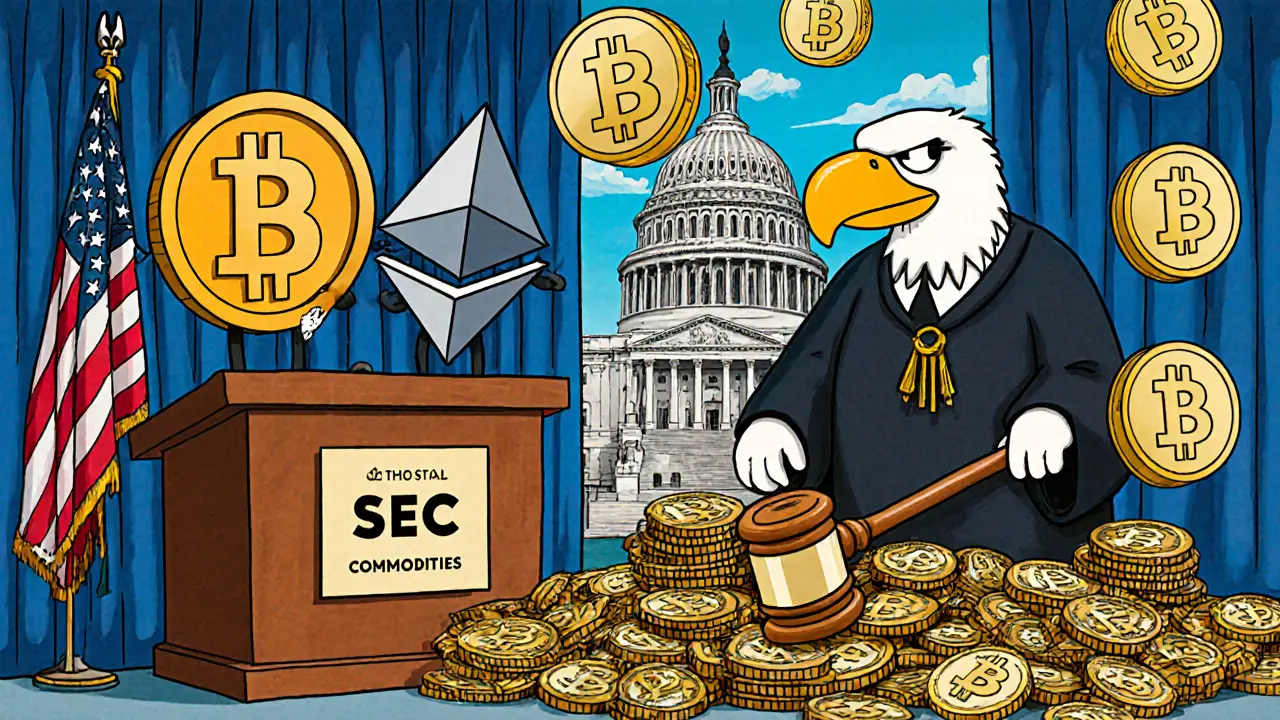
The Investment and Securities Act 2025 brought the first clear federal rules for crypto trading in the U.S., classifying assets into three categories and ending years of regulatory chaos. Bitcoin is now a commodity, stablecoins are tightly controlled, and institutions can finally enter the market safely.
View More