Crypto Theft: How Scams, Hacks, and Exit Scams Steal Your Crypto
When you hear crypto theft, the illegal taking of cryptocurrency through fraud, hacking, or deception. Also known as crypto fraud, it’s not just about hackers breaking into wallets—it’s about people being tricked into giving away their keys, signing bad transactions, or trusting fake platforms that vanish overnight. This isn’t rare. In 2024 alone, over $3 billion was lost to crypto theft, and most of it didn’t come from advanced hacking—it came from simple human error and bad choices.
One common form is the exit scam, a project that raises funds, promises returns, then disappears with all the money. Think Satowallet, which vanished with over $1 million in user funds, or VVS Finance, a dead DeFi project that stopped updating in 2022. These aren’t glitches—they’re planned heists. Another type is the honeypot crypto, a token that looks tradable but locks your funds so you can’t sell. PEPE MAGA is a textbook example: it tricks you into buying, then makes it impossible to cash out. Then there are fake exchanges like LocalTrade and MakiSwap, which show fake trading volume and no real users, just to lure deposits before shutting down.
Even if you’re not trading on sketchy platforms, you can still get hit. Airdrops like SENSO or Metahero get abused by scammers who create fake claim sites. KYC requirements exist to stop this, but many users skip them or use unregulated services like Decoin or VoltSwap, where there’s no accountability. And when a token has zero supply—like MARGA—or no team, no liquidity, and no purpose, it’s not an investment. It’s a trap waiting to be sprung.
What ties all these cases together? They prey on hope. They promise easy gains, high returns, or exclusive access. But real crypto doesn’t work that way. Legit projects don’t need to hide. They don’t vanish after a launch. They don’t lock your funds. They don’t rely on meme hype with no code behind it. If it sounds too good to be true, it is—and if you’ve lost crypto before, you’re not alone. But you can stop it from happening again.
Below, you’ll find real breakdowns of the most dangerous crypto theft schemes of the last few years. From dead exchanges to fake meme coins, these aren’t hypotheticals. They’re cases that happened. And they’re happening right now. Learn from them before your next move costs you more than just a few dollars.
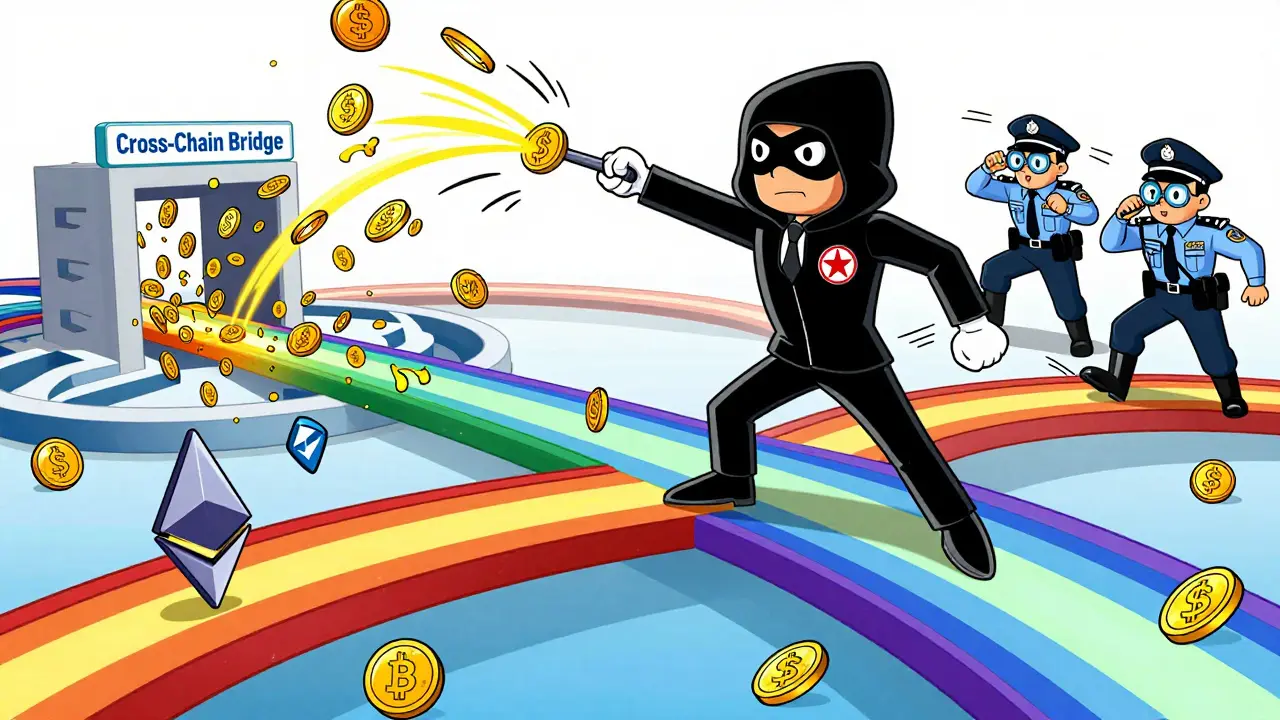
North Korean hackers are stealing billions in crypto by hopping across blockchains to hide their tracks. This is how they do it-and why it’s a global security threat.
View More