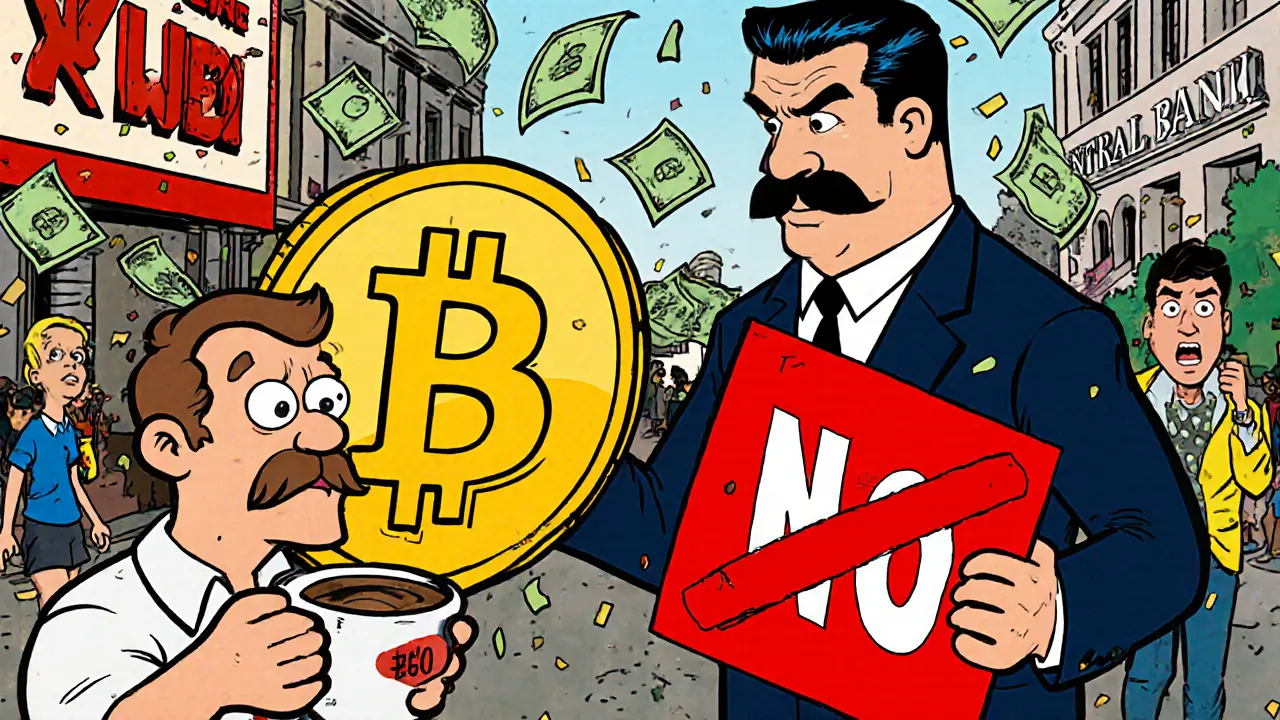
Crypto Payment Ban in Turkey: What It Means for Users and Exchanges
When Turkey banned crypto payments, a rule that prohibits using digital assets like Bitcoin or Ethereum to pay for goods and services. Also known as digital currency transaction restrictions, it was introduced in April 2021 to stop what regulators called "uncontrolled" financial flows. But here’s the twist: you can still buy, sell, and hold crypto — just not use it to pay for your coffee or phone bill.
The ban targeted crypto exchanges, platforms that let users trade digital assets for fiat like the Turkish lira. Also known as local trading platforms, they were forced to stop offering payment processing services tied to crypto. This didn’t shut down trading — it just broke the link between crypto and everyday spending. Meanwhile, crypto wallets, digital tools that store private keys and let users send or receive tokens. Also known as self-custody wallets, remain fully legal. People still use them to move funds between exchanges, store value, or trade on decentralized platforms — just not to buy groceries.
Why did Turkey do this? The central bank feared crypto could undermine the lira’s stability and fuel capital flight. But the ban didn’t stop adoption — it just pushed it underground. Today, many Turks use peer-to-peer (P2P) trading on platforms like LocalTrade (which, by the way, has serious red flags) to buy Bitcoin with bank transfers. Others use foreign exchanges like Binance or KuCoin, withdrawing lira through P2P sellers. It’s not perfect, but it works. And while the government keeps talking about cracking down, enforcement is messy. People still trade. Still hold. Still profit.
What’s interesting is how this ban connects to bigger global trends. Countries like Vietnam and Nepal have similar crypto restrictions — but Turkey’s approach is unique because it allows trading while blocking payments. That creates a gray zone where users must navigate between legal trading and illegal spending. It also explains why so many posts here focus on risky exchanges, scams, and unregulated platforms. When official channels are blocked, people turn to whatever’s available — even if it’s shady.
So if you’re in Turkey or thinking about trading there, here’s the reality: don’t use crypto to pay for anything. Don’t trust platforms that promise easy lira withdrawals without KYC. And don’t fall for fake airdrops or fake exchanges promising to bypass the ban — they’re just stealing your funds. The real opportunity lies in learning how to trade safely, store your crypto securely, and understand the legal boundaries. Below, you’ll find real reviews of platforms people actually use — and the scams they’ve run into. No fluff. Just what’s working, what’s failing, and what to avoid.
Turkey has implemented one of the world’s strictest crypto frameworks, banning payments while forcing exchanges to obtain multi-million-dollar licenses. Learn how this affects traders, businesses, and political freedom.
View More