51% Attack: What It Is, How It Works, and Why It Matters in Crypto
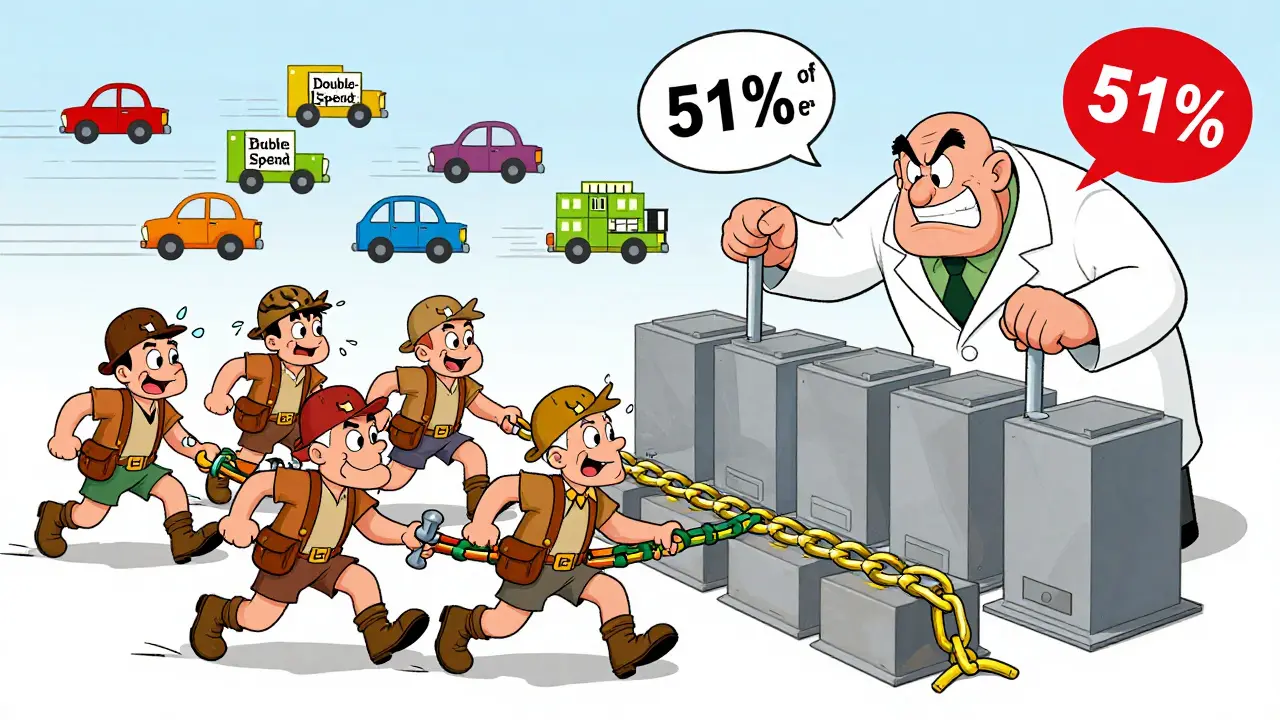
When someone controls more than half of a blockchain’s hash rate, the total computing power used to validate transactions and secure the network. Also known as majority attack, it’s the single biggest threat to small blockchains that rely on proof-of-work. If that person or group gets that kind of control, they can reverse transactions, stop new ones from confirming, and even double-spend coins. It doesn’t mean they can steal coins from wallets or change the rules of the chain—but it does mean they can break trust in the system.
This isn’t science fiction. It’s happened on smaller networks like Verge, Ethereum Classic, and Bitcoin Gold. These chains don’t have enough miners to make a 51% attack too expensive. Big ones like Bitcoin and Ethereum? Almost impossible. Why? Because the cost to rent or buy that much computing power would cost hundreds of millions—and even then, the market would crash, making the attack worthless. That’s why most serious crypto projects either use proof-of-stake or have huge mining networks. The decentralized exchange, a platform where users trade crypto directly without a middleman you’re using might be built on a chain that’s vulnerable. If the underlying blockchain gets attacked, your trades could be reversed, your deposits frozen, or your tokens devalued overnight.
Most of the posts here focus on platforms and tokens that either got hit by scams, lack real security, or have no active community. That’s no coincidence. A 51% attack often follows the same pattern as a rug pull: low liquidity, weak mining, no audits. Projects like LocalTrade, Decoin, and Carrieverse aren’t just shady—they’re sitting ducks. If you’re trading on a new DEX like VoltSwap or using a coin with zero supply like MARGA, ask yourself: who’s securing this chain? Is there enough hash power to stop one bad actor? Or are you trusting a system that’s already broken?
Understanding the 51% attack, a scenario where a single entity controls the majority of a blockchain’s mining power isn’t just for developers. It’s for anyone holding crypto. If you’re buying tokens on a new exchange, checking if the chain has a strong hash rate or is on proof-of-stake could save you from losing everything. The posts below show you exactly which projects are risky, which ones are just dead, and which ones still have a fighting chance. You’ll see real cases where bad actors took advantage of weak networks—and how to spot the same red flags before it’s too late.
A 51% attack lets a single entity control a blockchain's mining power to reverse transactions and double-spend coins. It's happened to Ethereum Classic and Monero-and while Bitcoin is safe, smaller chains remain vulnerable.
View More
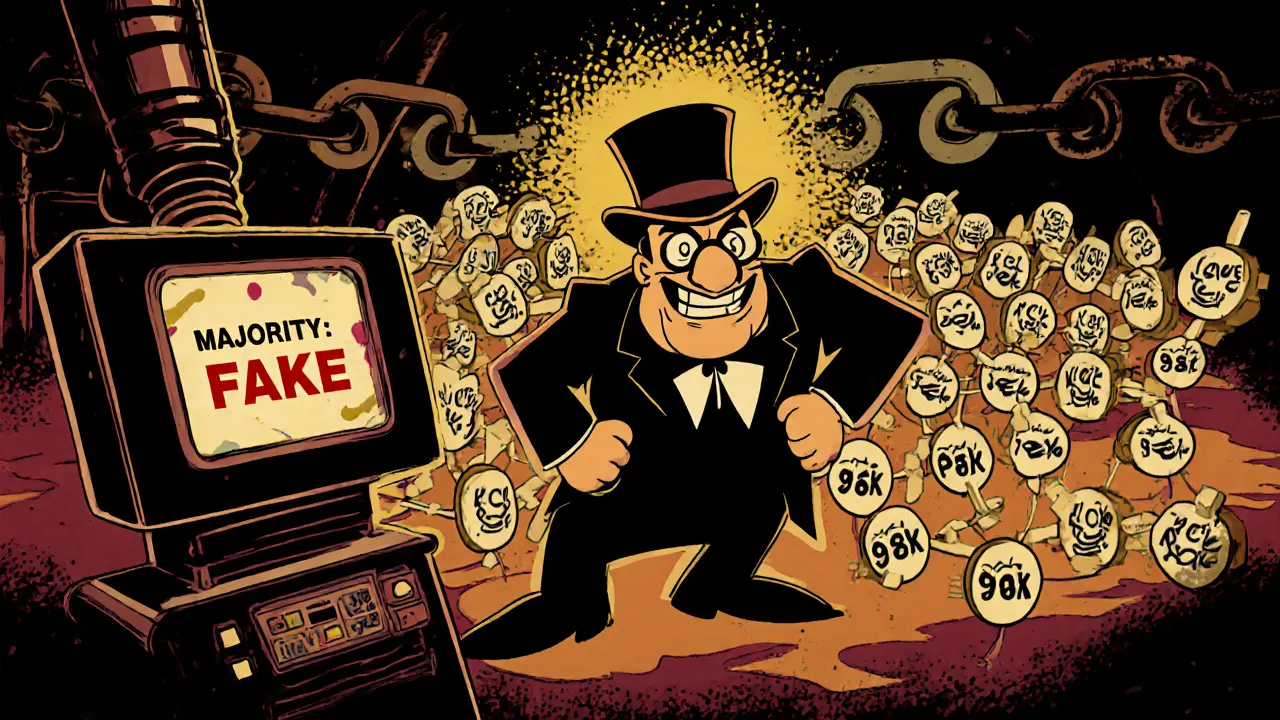
A Sybil attack lets one attacker control a blockchain by creating fake nodes. Bitcoin is safe because it's too expensive to fake nodes. Smaller chains are vulnerable. Learn how Proof of Stake, social graphs, and economic barriers stop these attacks.
View More