
You hold cryptocurrency. You want it to work for you while you sleep. But there’s a fork in the road: do you stake your tokens or lend them out? It sounds simple, but picking the wrong path can mean the difference between steady growth and losing your entire portfolio overnight.
In 2026, the landscape has shifted dramatically since the industry crashes of 2022-2023. The days of blindly chasing high yields on lending platforms are largely over for cautious investors. Today, staking is widely considered the safer bet for most people, offering predictable returns with significantly lower risk. However, lending still holds specific advantages, especially for assets like Bitcoin that cannot be staked. Let’s break down exactly how these two mechanisms work, where the money comes from, and which one actually fits your financial goals.
How Staking Actually Works
To understand why staking is often preferred, you first need to know what you’re paying for. When you stake a cryptocurrency, you aren’t just parking your money in a digital savings account. You are actively participating in the security of a blockchain network.
This process only works on networks that use a Proof-of-Stake (PoS) consensus mechanism. Think of chains like Ethereum (ETH), Solana (SOL), Cardano (ADA), Polkadot (DOT), and Avalanche (AVAX). These networks don’t rely on energy-hungry miners; instead, they rely on validators who lock up their own coins to guarantee transactions are legitimate.
When you stake, you delegate your tokens to a validator node. In return, the protocol rewards you with new tokens. Where does this money come from? It’s essentially inflation baked into the system. The network creates new tokens to pay for security. Because this reward structure is coded directly into the blockchain’s smart contracts, it is highly predictable. If the network parameters say you get 5% per year, you generally get 5% per year, regardless of whether anyone else wants to borrow your coins.
For the average user, you don’t need to run a server room. Most major exchanges and dedicated staking services allow you to delegate your tokens with a few clicks. They handle the technical heavy lifting, and you receive your share of the rewards automatically. This makes staking a true "set-and-forget" strategy for long-term holders.
The Mechanics of Crypto Lending
Lending operates on a completely different logic. Here, you are acting as a bank. You provide your cryptocurrency to a platform-either centralized (like an exchange) or decentralized (a DeFi protocol)-and borrowers take those funds to trade, leverage positions, or cover shortfalls. In exchange, they pay interest, and you receive a portion of that interest as yield.
The key difference here is the source of your profit. In staking, the protocol pays you. In lending, the borrower pays you. This means your returns are driven by market demand. If everyone wants to borrow Bitcoin because prices are rising, interest rates go up. If no one wants to borrow, rates drop toward zero.
Lending is unique because it works for almost any cryptocurrency, including Proof-of-Work coins like Bitcoin (BTC) and Litecoin (LTC), which have no native staking mechanism. For BTC holders, lending is often the only way to generate passive income without selling their asset.
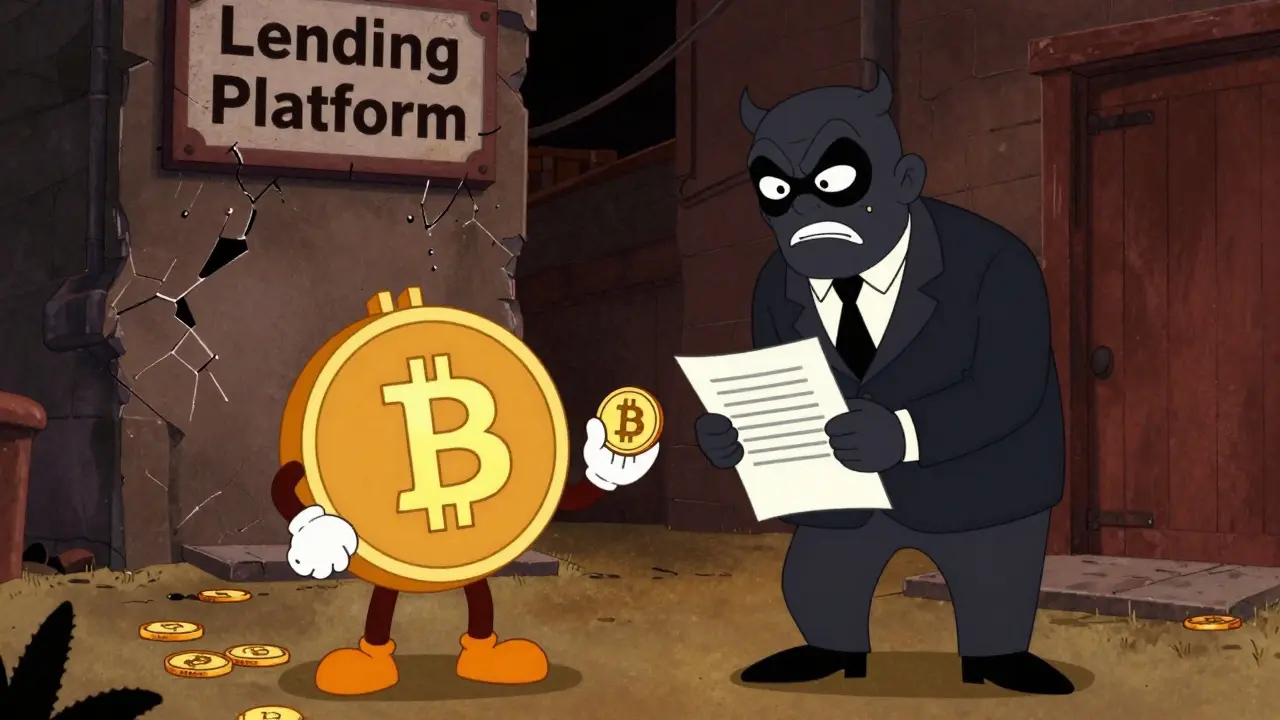
However, this flexibility comes with a catch. Your funds are not secured by the blockchain protocol itself. They are held in custody by a third party. Whether that’s a centralized exchange or a smart contract pool, you are exposed to counterparty risk. If the platform gets hacked, goes insolvent, or faces regulatory shutdowns, your collateral could be at risk. The collapses of major lending platforms in 2022-2023 serve as a stark reminder of this vulnerability.
Profitability Comparison: APY and Returns
So, which one puts more money in your pocket? Historically, lending offered higher yields. During bull markets, when demand for leverage was sky-high, lending rates for stablecoins or major caps could easily exceed 10-15%. Staking rates, being fixed by protocol inflation, usually hovered between 4% and 8%.
But looking at raw numbers is misleading if you ignore risk-adjusted returns. In 2026, the gap has narrowed. Many lending platforms now offer more conservative rates due to tighter regulations and reduced speculative borrowing. Meanwhile, staking yields remain stable.
| Feature | Staking | Lending |
|---|---|---|
| Average APY (2026) | 4% - 10% | 2% - 12% (Highly Variable) |
| Risk Level | Low (Protocol Risk) | Medium-High (Counterparty Risk) |
| Liquidity | Low (Lock-up periods apply) | High (Often instant withdrawal) |
| Asset Support | PoS Tokens Only (ETH, SOL, etc.) | All Assets (BTC, ETH, Stablecoins) |
| Primary Risk | Slashing, Price Volatility | Platform Insolvency, Hacks |
If you hold Ethereum, staking is likely more profitable on a risk-adjusted basis. You avoid the anxiety of checking if your lending platform is solvent every morning. If you hold Bitcoin, you have no choice but to lend if you want yield, making the comparison irrelevant for that specific asset.
Risk Analysis: Slashing vs Counterparty Failure
Every investment carries risk, but the nature of the danger differs sharply between staking and lending.
With staking, the primary technical risk is "slashing." This happens if the validator you delegated to acts maliciously or goes offline frequently. The protocol penalizes the validator by burning a portion of the staked funds. However, reputable staking providers often insure against this, and solo validators rarely face slashing unless they are negligent. The bigger risk for stakers is liquidity. Many networks impose lock-up periods or unbonding times (ranging from days to weeks). If the market crashes, you might be stuck holding the bag while unable to sell.
Lending carries counterparty risk. When you lend through a centralized platform, you are trusting that company with your private keys or custody rights. We’ve seen too many examples where opaque balance sheets led to total loss of funds. Even in decentralized lending (DeFi), you face smart contract risk. If there is a bug in the code governing the lending pool, hackers can drain the funds. While auditing firms try to prevent this, exploits still happen. The psychological toll of monitoring platform health makes lending a less "passive" income stream than it appears.

Which Strategy Fits Your Profile?
Your choice shouldn't just be about maximizing APY. It should align with your risk tolerance and the specific assets you hold.
Choose Staking if:
- You hold Proof-of-Stake assets like ETH, SOL, ADA, or DOT.
- You prefer predictable, consistent returns over volatile spikes.
- You want to minimize exposure to third-party platform failures.
- You are a long-term holder who doesn’t need immediate access to funds.
Choose Lending if:
- You hold non-stakeable assets like Bitcoin or Litecoin.
- You hold stablecoins and want to earn yield without price volatility risk (though platform risk remains).
- You need high liquidity and may want to withdraw funds on short notice.
- You are comfortable actively managing your portfolio and monitoring platform solvency.
Practical Steps to Get Started
If you decide to stake, start by identifying a reliable validator or delegation service. Major exchanges offer easy-to-use staking interfaces, though they take a cut of the rewards. For better yields, consider using specialized staking dashboards that let you choose validators with high uptime and low fees. Always check the unbonding period before committing large amounts.
If you opt for lending, due diligence is non-negotiable. Avoid platforms promising unrealistic yields (anything above 15% on major assets is a red flag). Look for transparent reserve ratios, proof of reserves, and clear insurance policies. In DeFi, stick to audited, battle-tested protocols with a long track record. Never put all your eggs in one basket; diversify across multiple lending platforms to mitigate single-point failure risks.
Remember, profitability isn't just about the percentage rate. It’s about keeping your principal intact. In the current market climate, the peace of mind provided by staking often outweighs the marginal gains of risky lending strategies.
Can I lose money while staking cryptocurrency?
Yes, primarily through token price depreciation. While staking rewards are relatively secure, if the value of the underlying coin drops significantly, it can offset your earnings. Additionally, there is a small risk of "slashing" if your chosen validator misbehaves, though this is rare with reputable providers.
Is crypto lending safe in 2026?
It is safer than in previous years due to increased regulation and better auditing standards, but it still carries significant counterparty risk. Unlike staking, where the blockchain secures your assets, lending relies on the solvency and security of a third-party platform. Always research the platform's history and insurance coverage.
Why can't I stake Bitcoin?
Bitcoin uses a Proof-of-Work consensus mechanism, which relies on miners solving complex mathematical puzzles rather than validators locking up stakes. Therefore, there is no native staking protocol for BTC. To earn yield on Bitcoin, you must use lending platforms or wrapped derivatives.
What is the typical APY for staking Ethereum?
As of 2026, staking Ethereum typically yields between 3% and 5% APY. This rate fluctuates based on the total amount of ETH staked on the network. Higher participation leads to slightly lower individual rewards, but the rate remains stable compared to lending markets.
Do I need to pay taxes on staking rewards?
In most jurisdictions, yes. Staking rewards are generally treated as taxable income at the fair market value when received. Similarly, interest earned from lending is also taxable. Always consult with a local tax professional to ensure compliance with your country's specific regulations.