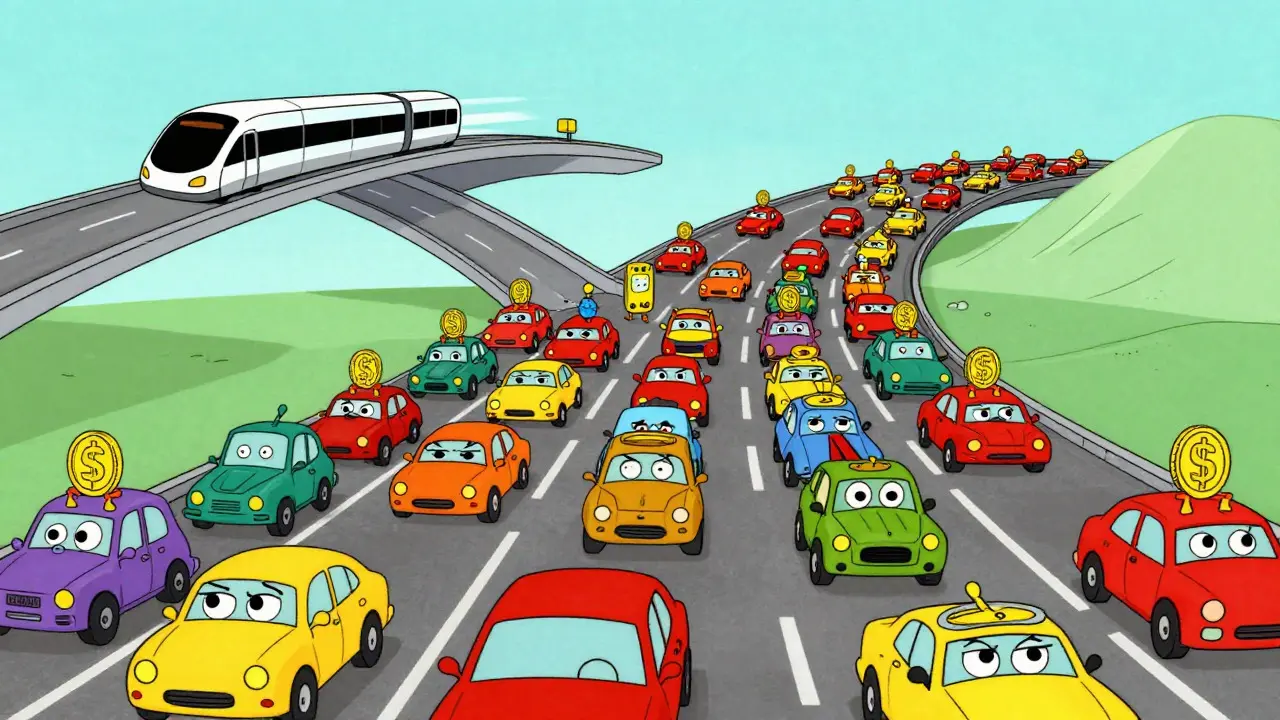
Blockchain networks are stuck in a traffic jam. You want to send money or trade tokens instantly for pennies, but the network is slow and expensive. This isn't just an annoyance; it’s a fundamental barrier to adoption. The industry has two main ways to fix this: sharding and Layer 2 solutions. Both promise speed and low costs, but they work in completely different ways. Choosing the wrong one can cost your project millions in development time or leave users frustrated with high fees.
If you are building a decentralized application (dApp) or investing in blockchain infrastructure in 2026, understanding the difference between these two approaches is critical. One modifies the base layer of the blockchain itself, while the other builds a separate highway on top of it. Let’s break down how they work, their security trade-offs, and which one actually fits your needs.
How Layer 2 Solutions Work
Layer 2 (L2) solutions act like express lanes built on top of an existing highway. They don’t change the road underneath (the Layer 1 blockchain); instead, they process transactions off-chain and then bundle them together to settle on the main chain. Think of it like sending a group text message instead of individual texts to save data. You get the result faster and cheaper because the main network only sees one summary transaction rather than thousands of individual ones.
The most common types of L2s are Optimistic Rollups and ZK-Rollups. Optimistic Rollups assume transactions are valid unless someone proves otherwise using fraud proofs. This approach is easier to implement but adds a waiting period-usually seven days-for funds to be fully secure. On the other hand, ZK-Rollups use zero-knowledge cryptography to mathematically prove that every transaction in a batch is valid before it hits the main chain. This provides instant finality and higher security but requires more complex math and hardware to run.
In 2026, Ethereum’s ecosystem relies heavily on this model. Networks like Arbitrum, Optimism, and Polygon zkEVM handle billions of dollars in volume by offloading work from Ethereum’s congested mainnet. For developers, this means you can build fast applications without worrying about Ethereum’s gas spikes. However, you still depend on Ethereum for security and settlement. If Ethereum goes down or becomes incredibly expensive, your L2 feels the pain too.
How Sharding Works
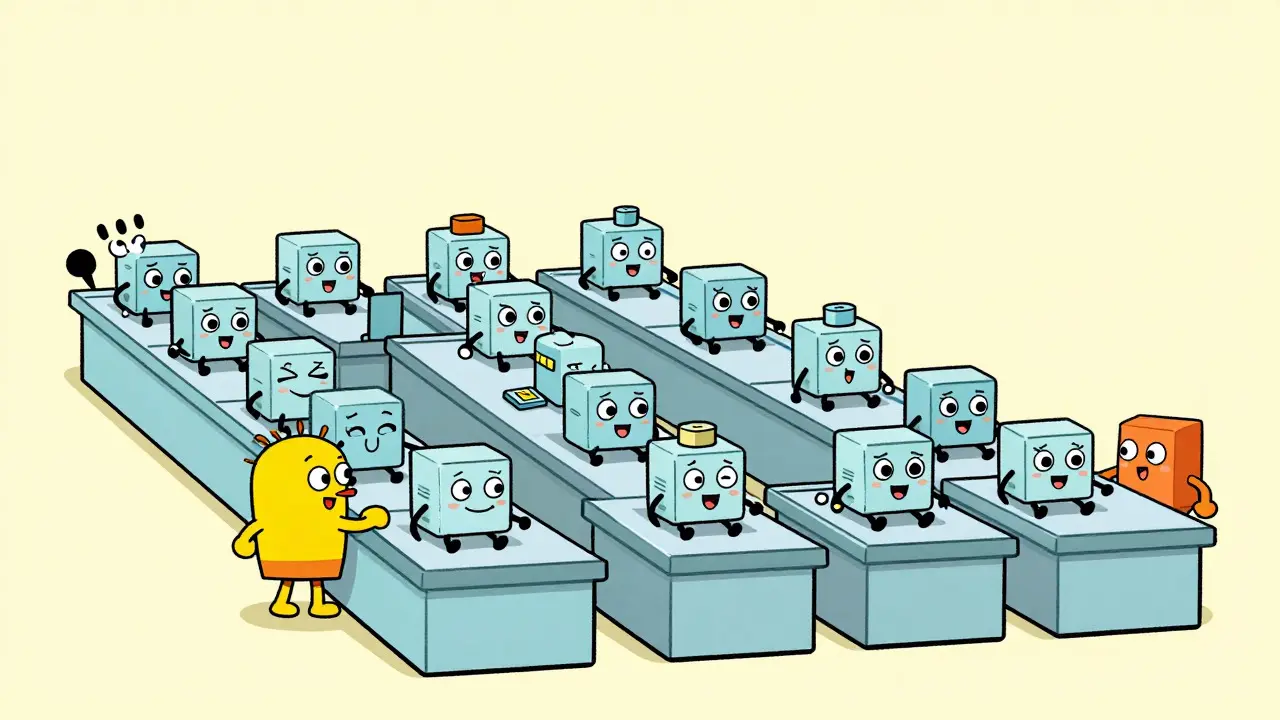
Sharding takes a different approach. Instead of building on top, it splits the blockchain itself into smaller, parallel pieces called shards. Imagine a single checkout line at a grocery store splitting into ten lines. Each line processes customers independently, so the total throughput increases dramatically. In blockchain terms, each shard maintains its own state and processes its own transactions simultaneously.
State Sharding distributes the storage burden across nodes. Instead of every node storing the entire history of every transaction, nodes only store the data relevant to their specific shard. This reduces hardware requirements and allows more people to run nodes, potentially increasing decentralization. Protocols like NEAR Protocol have used sharding since their inception to maintain high performance as the network grows.
Ethereum’s roadmap originally included heavy sharding plans, though recent updates have shifted focus toward Data Availability Sampling (DAS) and rollups. Still, native sharding remains the gold standard for long-term scalability in protocols designed from the ground up for parallel processing. When a network uses sharding, the capacity scales linearly. Add more shards, add more throughput. There is no bottleneck from a single central ledger slowing everything down.

Key Differences: Architecture and Control
The core difference lies in who controls the rules. With Layer 2 solutions, developers have significant autonomy. You can create a custom L2 with unique features, tokenomics, or governance models. This flexibility drives innovation. However, it also creates fragmentation. Moving assets between different L2s often requires bridges, which introduce security risks and user friction.
Sharding keeps everything within one unified protocol. Cross-shard communication is native. If you send tokens from Shard A to Shard B, the protocol handles the complexity behind the scenes. Users don’t need to worry about bridges or liquidity pools. This seamless experience is crucial for mass adoption, especially in gaming or social media applications where users expect instant interactions without technical hurdles.
| Feature | Layer 2 Solutions | Sharding |
|---|---|---|
| Implementation | Built on top of L1 | Built into the L1 protocol |
| Scalability Limit | Limited by L1 settlement capacity | Scales linearly with number of shards |
| Security Model | Relies on L1 + Fraud/ZK Proofs | Distributed across shards via consensus |
| Cross-Chain Interaction | Requires bridges (complex/risky) | Native cross-shard messaging |
| Developer Autonomy | High (customizable chains) | Low (must follow protocol rules) |
| Best For | DeFi, immediate relief, experimentation | Long-term ecosystems, gaming, social apps |
Security Trade-Offs
Security is the biggest concern for both approaches. Layer 2 solutions inherit security from their underlying Layer 1. If Ethereum is secure, then Arbitrum is secure. But this comes with a catch: the L2 must trust its own operators or rely on cryptographic proofs. In optimistic rollups, if a validator submits bad data, there is a window where funds could be stolen before a fraud proof is submitted. ZK-rollups eliminate this risk but require immense computational power to generate proofs, which can centralize validation among a few powerful entities.
Sharding introduces different risks. By splitting the network, you reduce the number of validators securing each individual shard. This makes each shard more vulnerable to attacks compared to the whole chain. To counter this, protocols use techniques like random sampling or cross-linking, where validators are assigned to multiple shards dynamically. While effective, this complexity increases the attack surface. A bug in the cross-shard communication protocol could freeze the entire network.
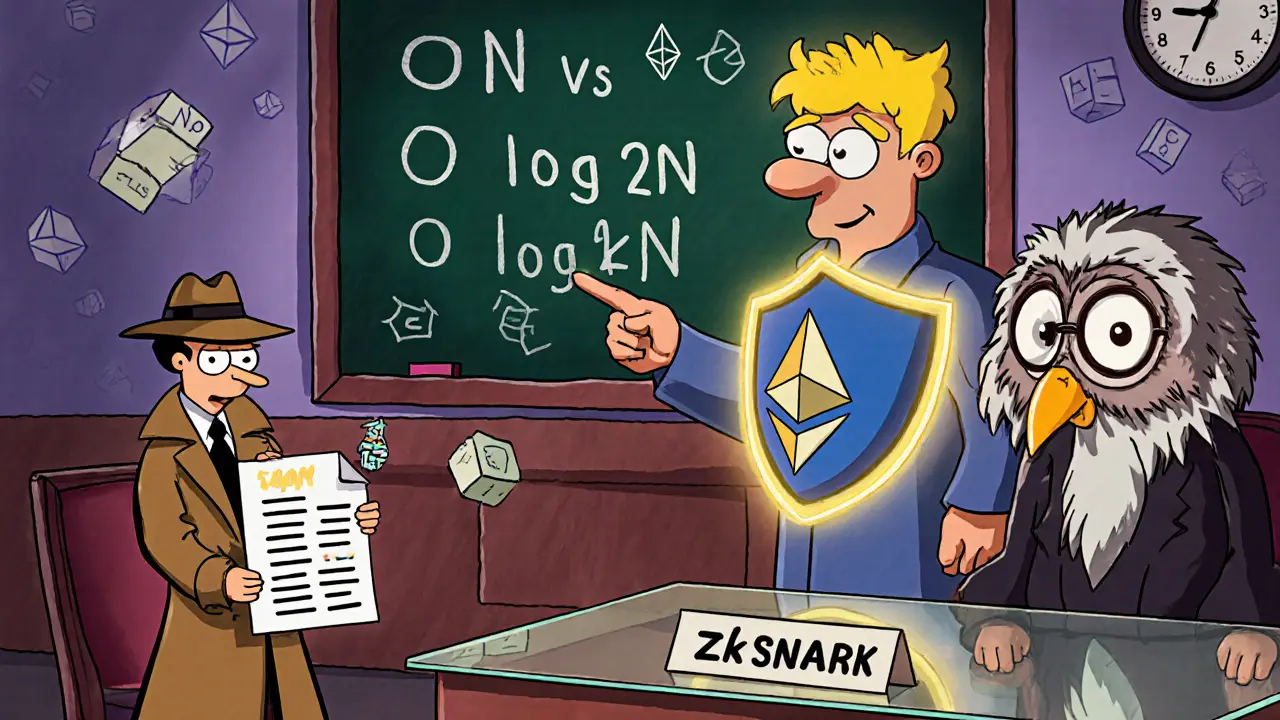
Vitalik Buterin, co-founder of Ethereum, has noted that while the underlying tech (like ZK-SNARKs) is similar, the implementation differs. In L2s, these tools are smart contracts running on the blockchain. In sharding, they are part of the core protocol. This distinction matters because protocol-level changes are harder to make but offer deeper integration.
Which Should You Choose?
Your choice depends on your goals. If you are building a DeFi platform today and need low fees immediately, Layer 2 is the obvious pick. It’s mature, widely adopted, and easy to integrate. You can launch on Arbitrum or Base and access millions of users without reinventing the wheel. The trade-off is dealing with bridge risks and potential future congestion if L1 bottlenecks persist.
If you are building a new blockchain ecosystem from scratch, especially for gaming, social media, or enterprise use cases, sharding might be better. Protocols like NEAR Protocol demonstrate that native sharding enables smooth user experiences without bridge anxiety. Users log in once and interact across the entire network seamlessly. This is vital for non-crypto-native users who won’t tolerate complex wallet management.
Consider also the timeline. Layer 2 offers quick wins. Sharding requires long-term commitment and careful protocol design. As we move through 2026, the trend is toward hybrid models. Ethereum uses rollups as its primary scaling method, while other chains experiment with sharding. Don’t view them as competitors; view them as tools for different jobs.
Future Outlook: Coexistence, Not Competition
The narrative that one solution will replace the other is outdated. In reality, we are seeing a layered architecture emerge. Layer 1 blockchains provide security and data availability. Layer 2s provide execution speed and customization. Sharding enhances Layer 1’s ability to support many Layer 2s efficiently through data availability sampling.
For example, Ethereum’s Danksharding upgrade aims to make data cheaper for all rollups, effectively combining sharding benefits with L2 flexibility. This means even if you choose an L2 today, you benefit from sharding advancements tomorrow. The ecosystem is converging. Developers should focus on interoperability standards like ERC-4337 for account abstraction and universal messaging protocols that work across both L2s and sharded chains.
Ultimately, the best solution is the one that solves your specific problem. Need instant liquidity? Go L2. Need a scalable foundation for a global app? Look at sharding. Understanding these nuances puts you ahead of the curve in the rapidly evolving blockchain landscape.
Is sharding safer than Layer 2?
Not necessarily. Layer 2s inherit the security of their base chain (like Ethereum), which is extremely robust. Sharding distributes security across shards, which can theoretically make individual shards weaker if not designed carefully. However, modern sharding protocols use dynamic validator assignment to mitigate this. The real risk in L2s often comes from bridges, not the rollup itself.
Can I use both sharding and Layer 2?
Yes, and many networks do. Ethereum’s roadmap includes Danksharding to improve data availability for Layer 2 rollups. This combination allows L2s to scale massively by reducing the cost of posting data to the main chain, while sharding ensures the main chain can handle the increased load.
What is the biggest advantage of Layer 2?
Speed of deployment and flexibility. You can launch a custom Layer 2 in weeks, tailored to your specific needs, without waiting for mainnet upgrades. It’s ideal for startups needing immediate scalability and lower transaction costs.
Why does NEAR use sharding instead of Layer 2?
NEAR prioritizes a seamless user experience. Native sharding allows cross-shard transactions without bridges, eliminating the security risks and complexity associated with moving assets between different chains. This is crucial for mainstream adoption in gaming and social apps.
Will sharding replace Layer 2 solutions?
Unlikely. They serve different purposes. Layer 2s offer customization and rapid iteration, which is valuable for diverse applications. Sharding provides foundational scalability. Most experts predict a hybrid future where both technologies coexist and complement each other.