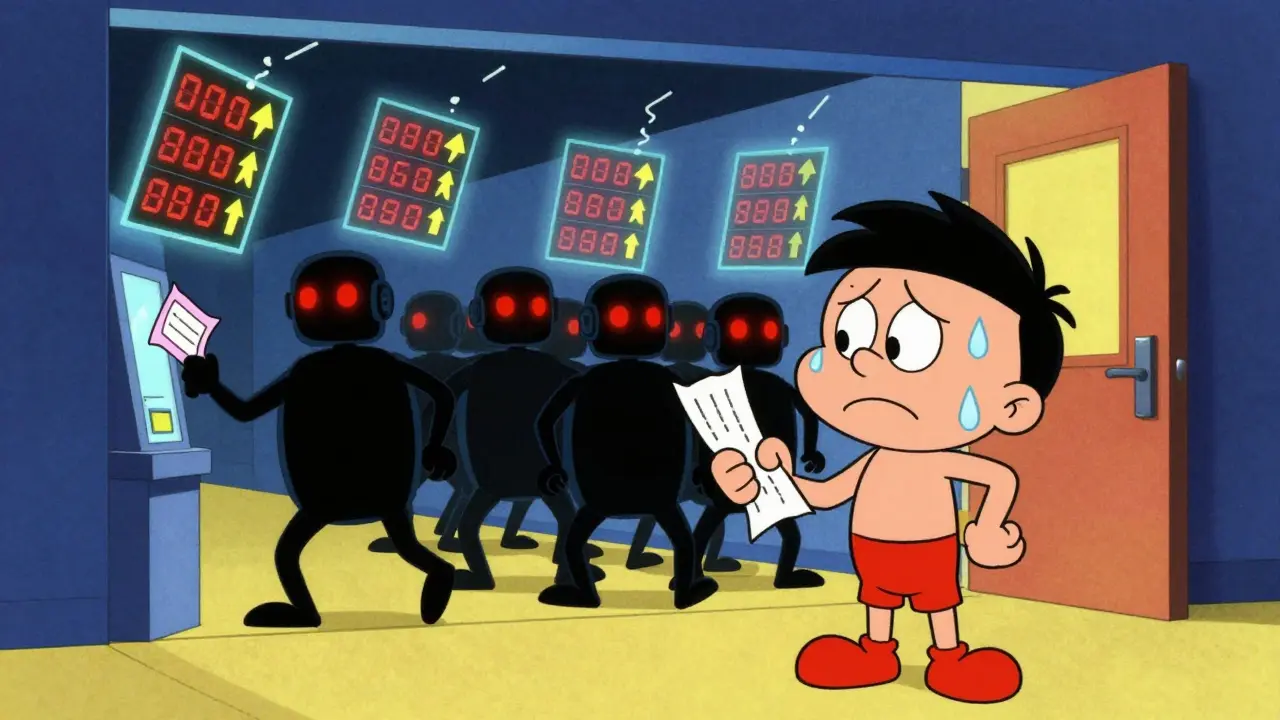
Remember the last time you tried to buy tickets for a sold-out concert? You probably waited in a digital line, only to watch prices skyrocket on secondary markets within seconds. That frustration is exactly why NFT ticketing is a blockchain-based solution that uses non-fungible tokens to create secure, verifiable, and collectible digital event passes. It’s not just about hype anymore. By 2026, this technology has moved from experimental novelty to a serious tool for fighting fraud and giving artists control over their fans.
Traditional ticketing systems are broken. They rely on centralized databases that are easy to hack and hard to regulate. Scalpers use bots to buy up thousands of tickets instantly, then resell them at inflated prices. With NFT ticketing, every ticket is a unique digital asset stored on a blockchain. This means it can’t be duplicated, counterfeited, or easily manipulated by bad actors. If you’re an event organizer or a fan tired of paying triple face value, understanding these platforms is your next move.
How NFT Tickets Actually Work
You might think buying an NFT ticket requires you to become a crypto expert. In reality, the user experience is designed to feel like normal online shopping, with a few extra layers of security. Here is what happens behind the scenes when you buy a ticket on a platform like SeatLabNFT or TicketMint.
- Minting: When you purchase a ticket, the platform creates a unique token on a blockchain (like NEAR Protocol or Ethereum). This process is called minting. The token contains specific data: your seat number, entry time, and event details.
- Storage: Instead of sitting in an email inbox as a PDF, the ticket lives in your digital wallet. Many modern platforms now offer "custodial wallets," meaning you don’t even need to manage private keys yourself. The platform handles the complexity while you hold the asset.
- Verification: At the venue, staff scan your phone. Because the ticket is tied to a blockchain ledger, the scanner checks the network in real-time to ensure the token hasn’t been spent or faked. Some systems, like those using NFC chips, allow tap-to-enter without even opening an app.
The magic isn’t just in the entry; it’s in the transfer. Smart contracts-self-executing code on the blockchain-can enforce rules. For example, an artist can program a ticket so it cannot be resold for more than 120% of its original price. Or they can take a 5% royalty fee every time the ticket changes hands. This keeps money in the creator’s pocket, not the scalper’s.
Top NFT Ticketing Platforms in 2026
The market has consolidated slightly since the early days of Web3 chaos. Today, a few key players dominate different niches. Choosing the right one depends on whether you prioritize security, community features, or ease of use.
| Platform | Blockchain Base | Key Feature | Best For |
|---|---|---|---|
| SeatLabNFT | NEAR Protocol | NFC verification & $SEAT rewards | High-security events & collectibles |
| WICKET | GET Protocol | Dynamic QR codes & anti-scalping | European markets & regulated sales |
| TicketMint | SmartLedger | Metaverse integration & fan tools | Virtual concerts & hybrid events |
| Oveit | Multi-chain | Access control hardware (wristbands) | Festivals & large-scale venues |
SeatLabNFT stands out for its focus on physical-digital hybrid experiences. By integrating Near Field Communication (NFC) technology, it allows attendees to tap their phones against readers for instant entry. This eliminates the queue bottlenecks common at major festivals. Plus, their governance token model lets users earn rewards for attending events, turning ticket holders into active community members.
If you are operating in Europe, particularly Italy, WICKET is the go-to choice. It was built specifically to combat the rampant scalping seen in European football and music scenes. Its dynamic QR codes change periodically, making screenshots useless for fraudsters. This level of security is crucial when resale prices hit 1,000% above face value.
The Cost Breakdown: Is It Worth It?
One of the biggest hurdles for organizers is the fee structure. Traditional platforms charge high service fees, but NFT platforms add transaction costs. Let’s look at the numbers realistically.
- Minting Fees: Creating an NFT ticket typically costs between $1 and $4.50 per ticket, depending on the blockchain gas fees at the time. On energy-efficient chains like NEAR or Polygon, this can drop to fractions of a cent.
- Sales Commission: Most platforms charge 2% to 4.5% on primary sales, plus standard payment processing fees (around 2.9% + $0.30).
- Secondary Market Royalties: This is where organizers make back losses. Platforms often take 2.5% marketplace fees, but allow creators to set royalties up to 10-15% on resales.
For a small local show, these fees might seem steep. But for a stadium tour, the ability to capture revenue from the secondary market adds up quickly. If 10,000 tickets are resold at a premium, a 10% royalty generates significant additional income that would otherwise go to unauthorized brokers.
Why Fans Should Care
You might be thinking, "I just want to see the band, not deal with crypto." Fair point. However, NFT ticketing offers tangible benefits for regular attendees too.
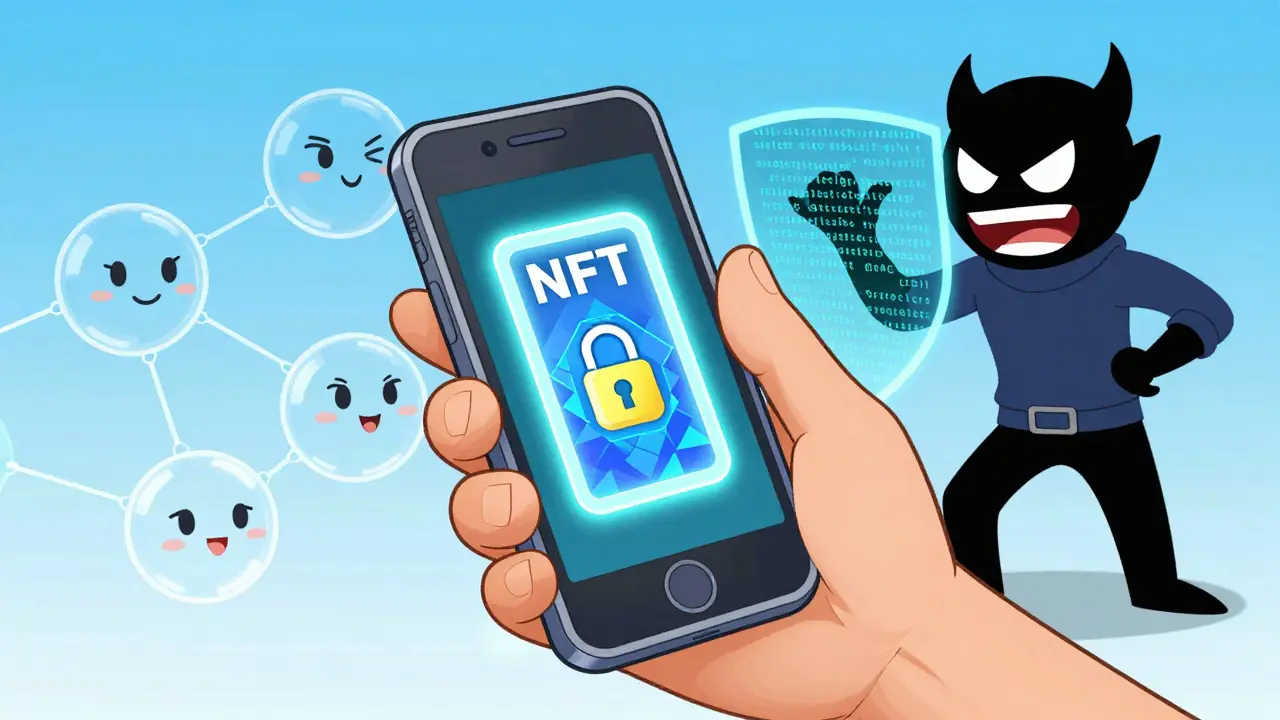
First, there is the peace of mind. Counterfeit tickets are a massive problem at major events. With blockchain verification, if you have the token in your wallet, you have valid entry. No more getting turned away at the gate because your PDF looked slightly off.
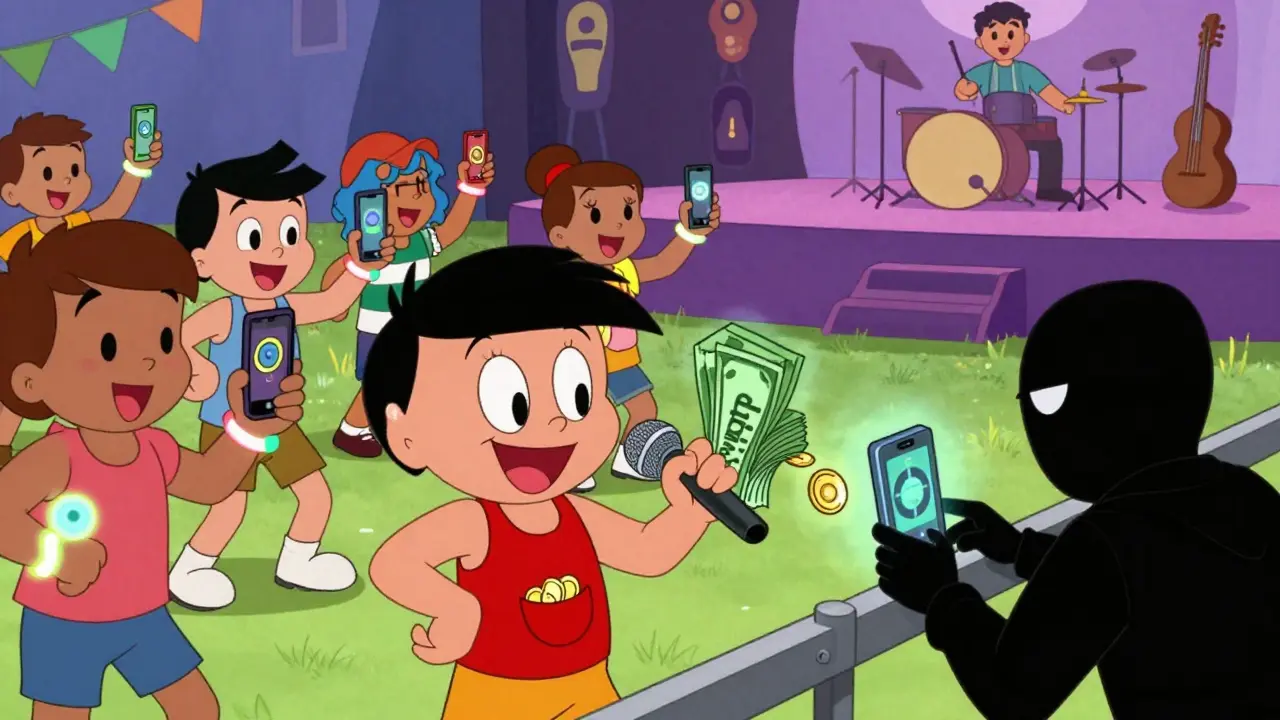
Second, consider the collectible aspect. After the event ends, your ticket doesn’t disappear. It becomes a permanent proof of attendance. Imagine having a digital badge that proves you were at Coachella 2026 or a rare album release party. These tokens can sometimes unlock exclusive content, merch discounts, or priority access to future shows. It turns a one-time expense into a lasting piece of fandom history.
Challenges and Realities
It’s not all smooth sailing. The technology still faces adoption barriers. The biggest issue remains user experience. While custodial wallets help, many fans still find setting up a digital wallet confusing. If a platform requires complex steps to check in, it will fail.
Network congestion is another risk. During high-demand drops, blockchain networks can slow down, leading to failed transactions or delayed confirmations. Organizers must choose platforms with robust infrastructure and fallback options. Additionally, regulatory uncertainty around digital assets varies by country. In some regions, selling NFTs may trigger tax implications or licensing requirements that traditional tickets do not.
Despite these challenges, the trend is clear. As traditional ticketing giants struggle with bot attacks and customer trust issues, NFT solutions offer a transparent alternative. The key is education. Organizers who explain the benefits clearly-security, fair pricing, and exclusive perks-find that fans are willing to learn the new system.
Do I need a crypto wallet to buy an NFT ticket?
Not necessarily. Many modern platforms like SeatLabNFT and Oveit offer "email-only" or custodial wallet options. You can pay with a credit card, and the platform manages the blockchain backend for you. However, for full control and resale capabilities, having a self-custody wallet like MetaMask or WalletConnect is recommended.
Can I sell my NFT ticket if I can't attend?
Yes, but the rules depend on how the organizer set up the smart contract. Some platforms allow free resale, while others cap the resale price to prevent scalping. All legitimate transfers happen on the blockchain, ensuring the buyer gets a verified ticket and the seller receives payment securely.
Are NFT tickets environmentally friendly?
It depends on the blockchain used. Older blockchains like Bitcoin or early Ethereum consumed vast amounts of energy. However, most NFT ticketing platforms today use eco-friendly chains like NEAR Protocol, Polygon, or Solana, which use Proof-of-Stake consensus mechanisms. These consume less than 1% of the energy required by traditional mining-based blockchains.
What happens if the NFT ticketing platform goes bankrupt?
Your ticket remains safe. Because the ticket exists on a public blockchain, it is not stored on the platform's private servers. Even if the company disappears, the token persists in your wallet. You can usually verify its authenticity through any compatible blockchain explorer or scanning device at the venue.
How does NFT ticketing stop scalping?
Organizers can program smart contracts to limit resale prices, restrict transfers to verified identities, or expire tickets after a certain date. Unlike traditional PDFs that can be copied infinitely, NFTs are unique and trackable. If a bot tries to buy 100 tickets, the system can flag and block the transaction based on predefined rules.