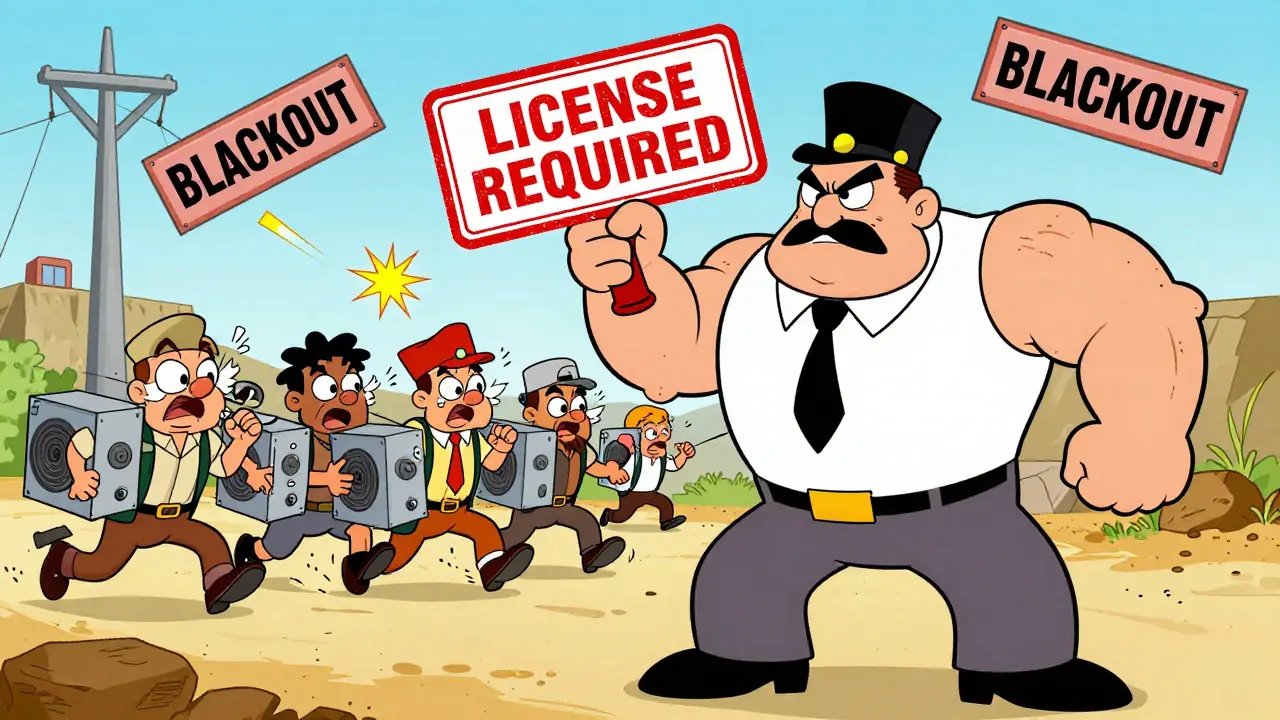
Imagine running a high-powered Bitcoin mining farm in the middle of a country facing severe electricity shortages. You’re burning megawatts of power to dig up digital gold, but suddenly, the government tells you that every coin you mine belongs to them-or at least, they want full control over what happens to it. This isn’t a dystopian novel; this is the reality for cryptocurrency miners in Iran as of 2026.
The landscape has shifted dramatically since early 2025. The Central Bank of Iran (CBI) is the sole regulatory authority overseeing all cryptocurrency activities within Iran now holds absolute power over the sector. While headlines often scream about "mandatory sales," the actual mechanism is more complex: it’s a web of licensing, data transparency, and state-controlled revenue streams designed to turn crypto mining into a tool for national survival rather than private profit.
The Shift from Chaos to Control
To understand why these rules exist, you have to look at the chaos that preceded them. In late 2024, Iran was grappling with two massive problems: a collapsing currency (the rial) and an energy grid on the brink of collapse due to unauthorized mining operations. People were using crypto to flee capital flight, and illegal miners were draining power needed by households during winter freezes.
In January 2025, President Masoud Pezeshkian issued a directive that changed everything. He designated the CBI as the exclusive regulator for all digital assets. Before this, the rules were fragmented. Now, every participant-individuals, businesses, and large-scale farms-must operate under the CBI’s watchful eye. If you are mining without a license, you aren’t just breaking a rule; you are operating outside the only legal framework recognized by the state.
This move wasn’t just about order. It was about survival. With U.S. sanctions cutting off access to dollars, Iran saw Bitcoin not as a speculative asset for traders, but as a way to earn hard currency. But the government couldn’t afford to let private citizens keep those earnings while the national grid suffered. Hence, the strict regulatory framework we see today.
How the Licensing System Works
If you think you can just plug in ASIC miners and start hashing, think again. The current system requires rigorous compliance. Here is how the process works for legitimate operators:
- Obtain a CBI License: No license means no operation. The bank issues permits based on energy consumption limits and security protocols.
- Data Transparency: Licensed entities must provide the CBI with direct, unrestricted access to all transaction data, statistics, and records. There are no secrets here.
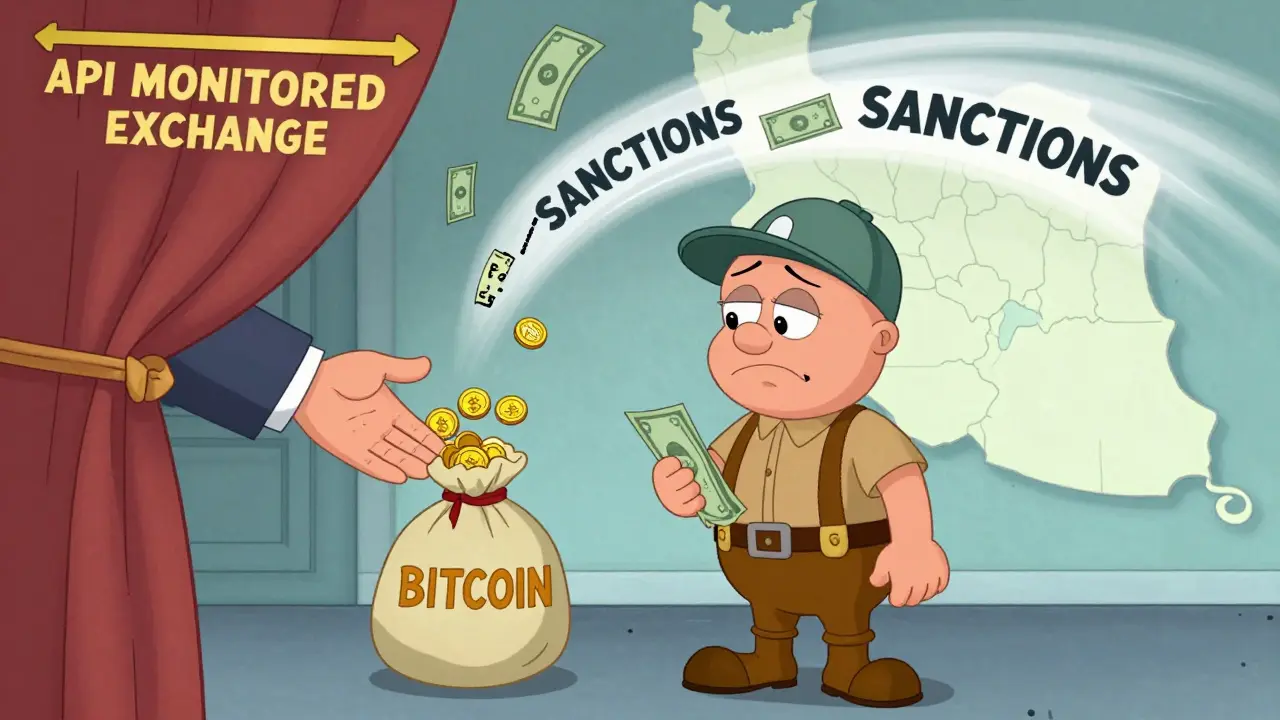
- Exchange Compliance: Miners cannot sell their coins on any platform they choose. They must use exchanges that have integrated government APIs. These APIs allow the state to monitor every transaction in real-time.
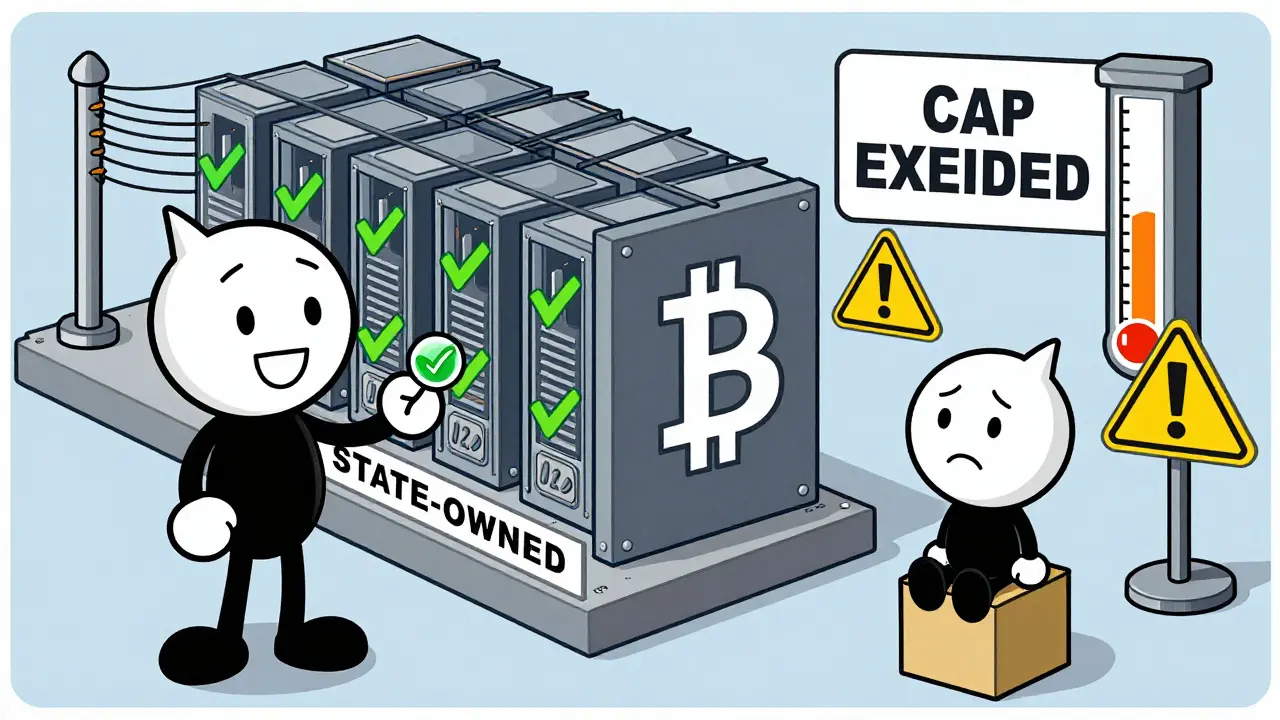
- Energy Caps: Your mining power is tied to your energy allocation. Exceeding your cap results in immediate shutdown and potential judicial action.
The key takeaway? The state doesn’t necessarily take your Bitcoin directly out of your wallet in every case, but it controls the exit ramp. You can only convert your crypto to fiat or trade it through channels the government monitors and approves. This effectively gives the state veto power over your profits.
The Role of the IRGC and State-Owned Farms
You cannot talk about Iranian crypto mining without mentioning the Islamic Revolutionary Guard Corps (IRGC) is a powerful military and political organization that dominates Iran's industrial and economic sectors. Since around 2019, the IRGC has moved aggressively into crypto mining. Why? Because it provides a steady stream of foreign currency that bypasses international banking sanctions.
The IRGC partners with Chinese companies to build massive mining facilities. A prime example is the 175-megawatt Bitcoin farm in Rafsanjan, Kerman province. This facility operates in a special economic zone, enjoying dedicated power feeds and minimal scrutiny. Unlike small private miners who struggle with grid instability, these state-affiliated farms run continuously.
This creates a two-tier system. On one side, you have the IRGC and its allies, mining billions of dollars worth of Bitcoin annually to fund state interests. On the other side, you have private miners who are allowed to operate only if they contribute to the state’s goals-usually by exporting their mined crypto abroad or selling it through state-approved channels that generate foreign exchange reserves.
| Feature | State-Affiliated (IRGC) | Licensed Private Miner | Illegal Miner |
|---|---|---|---|
| Power Access | Dedicated, stable feed | Capped, subject to outages | Unauthorized, risky |
| Sales Channel | Direct export/state deals | API-monitored exchanges | P2P/Black market |
| Risk Level | Low (protected) | Medium (regulatory) | High (seizure/jail) |
| Primary Goal | Foreign currency generation | Profit within limits | Arbitrage/hedging |
The "Mandatory Sale" Misconception vs. Reality
So, do miners have to sell their crypto immediately? Not exactly. The term "mandatory sales" often refers to the requirement that miners cannot hold crypto as a long-term store of value domestically. Instead, they are expected to utilize the proceeds to import goods, pay for services, or convert to fiat through approved banks.
Here is the nuance: The CBI wants the *value* generated by mining to stay in the economy or go toward earning foreign currency. If a miner sits on a pile of Bitcoin hoping the price goes up, they are hoarding an asset that could be used to stabilize the rial or buy essential imports. Therefore, the regulatory pressure pushes miners to liquidate their holdings through monitored channels.
In December 2024, the CBI blocked all crypto-to-rial payments on websites. By January 2025, they unblocked specific exchanges-but only those with government API integration. This means you can sell, but the state sees every cent. If you try to sell via peer-to-peer (P2P) methods or unregulated platforms, you risk having your accounts frozen or your equipment seized.
Energy Crisis and Grid Strain
A major driver behind these strict rules is energy. Iran’s mining sector accounts for approximately 4.5% of global cryptocurrency mining activity. That sounds impressive until you realize that this energy-intensive industry is straining a national grid that already struggles with peak demand.
In December 2024, rolling blackouts hit multiple regions. Authorities blamed unauthorized Bitcoin mining for exacerbating the crisis. Large-scale illegal operations were discovered siphoning power meant for homes and hospitals. The response was swift: calls for judicial action against illegal miners and stricter caps for licensed ones.
For private miners, this means your profitability is directly tied to your ability to secure cheap, legal electricity. The government subsidizes power for mining, but only if you comply with all regulations. Break the rules, and you lose the subsidy-and likely your hardware.
Resistance from the Fintech Community
Not everyone is happy with the new regime. The Iran Fintech Association is an industry group representing cryptocurrency platforms and blockchain startups in Iran has publicly objected to the data-sharing requirements. They called the mandate to share confidential user information a "red line" for privacy and business viability.
This resistance highlights a tension between the progressive tech community and the authoritarian regulatory demands. Western media often portrays Iran as a monolith, but there is significant internal debate. Developers and platform owners argue that invasive data collection will drive users underground, reducing transparency rather than increasing it.
Despite this pushback, the state has not backed down. The CBI’s stance is clear: security and control outweigh privacy concerns. For anyone operating in this space, compliance is not optional-it is existential.
What This Means for Investors and Observers
If you are looking at Iran’s crypto market from the outside, here is what you need to know:
- High Risk, High Reward: Iran remains a top 10 Bitcoin mining nation. The low cost of subsidized energy makes it attractive, but the regulatory risk is enormous.
- No Anonymity: Forget the myth of anonymous crypto. In Iran, every transaction is tracked. KYC (Know Your Customer) and AML (Anti-Money Laundering) checks are enforced rigorously.
- Sanctions Evasion Tool: The government uses mining to bypass financial sanctions. This means the sector is strategically important and unlikely to be shut down entirely, but it will remain tightly controlled.
- Volatile Legal Landscape: Rules can change overnight. What is legal today might be restricted tomorrow based on energy needs or political shifts.
The introduction of a digital rial pilot program on Kish Island further signals the state’s intent to dominate the digital currency space. By creating its own CBDC (Central Bank Digital Currency), Iran aims to reduce dependency on the dollar while maintaining total oversight of domestic transactions.
Navigating the Future
As we move through 2026, the trend is clear: centralization. The days of wild west crypto mining in Iran are over. The state has built a cage around the industry, allowing it to grow only in ways that benefit national interests. For miners, success depends on navigating this bureaucratic maze, securing licenses, and accepting that your profits are subject to state scrutiny.
For the average citizen, the path to crypto ownership remains difficult. Domestic trading is heavily restricted, forcing many to rely on unofficial markets despite the risks. The gap between the state’s vision of controlled prosperity and the people’s desire for financial freedom continues to widen.
Whether this model is sustainable long-term remains to be seen. Energy constraints, technological advancements in mining efficiency, and ongoing geopolitical pressures will all play a role. One thing is certain: in Iran, crypto is not just code-it is politics, economics, and power, all wrapped into one volatile package.
Is cryptocurrency mining legal in Iran?
Yes, but only with a license from the Central Bank of Iran (CBI). Unlicensed mining is illegal and subject to seizure of equipment and judicial action. All licensed miners must adhere to strict energy caps and data transparency rules.
Do Iranian miners have to sell their Bitcoin to the government?
Not directly to the government in all cases, but they must sell through state-approved exchanges with API integration. The state monitors these transactions closely and encourages the conversion of crypto into foreign currency or fiat to support the national economy. Holding crypto as a long-term investment domestically is discouraged and heavily scrutinized.
Who regulates cryptocurrency in Iran?
The Central Bank of Iran (CBI) is the sole regulatory authority, as designated by President Masoud Pezeshkian in January 2025. The CBI oversees licensing, data collection, and exchange operations.
Why does Iran restrict domestic crypto usage?
Iran restricts domestic crypto usage to prevent capital flight and protect the value of the rial. The government allows mining to earn foreign currency (to bypass sanctions) but prohibits using crypto for everyday payments to maintain monetary control.
What role does the IRGC play in crypto mining?
The Islamic Revolutionary Guard Corps (IRGC) operates some of the largest mining farms in Iran, often in partnership with Chinese companies. These facilities benefit from dedicated power supplies and are used to generate foreign currency for the state, helping to circumvent international sanctions.
Can I buy cryptocurrency in Iran easily?
It is difficult. Direct purchases through official channels are limited to licensed exchanges with strict KYC requirements. Many Iranians resort to unofficial peer-to-peer markets, which carry significant legal and financial risks due to lack of regulation and potential fraud.
How does the energy crisis affect crypto mining?
The energy crisis has led to stricter enforcement against illegal miners and tighter caps for licensed ones. Unauthorized mining operations have been blamed for exacerbating power outages, leading to increased judicial scrutiny and potential shutdowns of non-compliant farms.
Mekz Wheoki
June 20, 2026 AT 01:41Oh, look at that. Another country deciding that 'freedom' is just a suggestion and the state knows best how to spend your electricity. Shocking.
Skm Shubham
June 20, 2026 AT 23:40The structural inefficiency here is glaring. You have a centralized authority imposing rigid controls on a decentralized technology, which creates immediate arbitrage opportunities for the black market. The IRGC’s involvement guarantees that any 'compliance' is merely a tax on those too weak to resist. It’s not regulation; it’s resource extraction by force. The energy grid collapse was inevitable because the economic model relied on subsidized theft. Now they are just formalizing the theft. Expect capital flight to accelerate despite these measures. The fintech association’s pushback is irrelevant because the state doesn’t care about privacy or business viability. They care about control. This will lead to a shadow economy larger than the legal one.
Fede Faith
June 22, 2026 AT 16:47I’ve been tracking crypto regulations globally, and this is actually a textbook example of how authoritarian regimes adapt to new tech. Instead of banning it outright, they co-opt it. The key takeaway isn't just the licensing, but the API integration requirement. That gives them real-time visibility into every transaction. It’s brutal but effective for their goals. If you’re an investor, remember that liquidity in sanctioned markets is always questionable. Don’t assume you can exit easily.
Josh Dodson
June 23, 2026 AT 09:09thats crazy right?? i mean like really wild. but hey if u got the power why not mine lol
Rob Aronson
June 23, 2026 AT 12:53The technical implementation of mandatory API integration for exchanges is fascinating from a compliance engineering standpoint. 🛠️ It essentially forces a layer-2 surveillance protocol on top of the blockchain transactions. Most Western firms would struggle with the latency and data sovereignty issues involved in such a mandate. The fact that they are using Chinese hardware partnerships (like the Rafsanjan farm) suggests a deeper geopolitical alignment in infrastructure standards. This isn't just about crypto; it's about establishing a sovereign digital currency stack that bypasses SWIFT entirely. The CBDC pilot on Kish Island is the endgame here. 📉💸
Kwon Bill
June 24, 2026 AT 00:20In many emerging markets, we see similar patterns where the state tries to capture value from informal sectors. However, Iran’s situation is unique due to the dual pressure of sanctions and energy scarcity. The IRGC’s role is critical here-they aren't just regulators; they are primary operators. This creates a conflict of interest that undermines any pretense of fair market competition. Private miners are essentially renting space in a system designed to enrich the military-industrial complex. It’s a classic case of state capitalism overriding free market principles.
Danna Charris
June 25, 2026 AT 10:05Pretty predictable outcome for anyone who understands basic political economy. The 'mandatory sale' narrative is just marketing for capital controls. They want the foreign exchange, not the innovation.
Suman Patil
June 27, 2026 AT 06:15Let’s be real though, the energy crisis is the real story here. 🌍 When you have rolling blackouts affecting hospitals, the public anger towards miners-legal or illegal-is justified. The government is using that anger to justify tighter control. It’s a win-win for them: they get the crypto revenue, and they blame the miners for the power cuts. But honestly, if you’re a small miner, you’re screwed either way. The jargon-heavy compliance requirements alone will kill most small operations. Only the big players with connections survive. We need more transparency in how these subsidies are distributed!
Kumaran sowkarpet
June 28, 2026 AT 19:29As someone from India, I see parallels with our own regulatory struggles, but Iran takes it to another level. 😅 The use of P2P markets as a workaround is smart but risky. I wonder if the CBI has the manpower to track all the underground transactions. Probably not. So there will always be a leaky bucket. But yeah, good luck trying to hold BTC long-term there when the state wants it converted to Rial immediately. :)
Mauricio Contreras Loredo
June 30, 2026 AT 15:17Wow, what a surprise. The government loves money. Who knew? 🙄 I guess we should all be shocked that a regime facing sanctions would try to monetize everything under the sun. At least they’re honest about it being for 'national survival.' Sounds like a great excuse to grab all the chips.
Grace Newman
July 1, 2026 AT 10:36This is clearly part of a larger global strategy to eliminate financial privacy. The Central Bank Digital Currency (CBDC) angle is the most concerning aspect. Once they establish total oversight via the API-integrated exchanges, they can freeze assets instantly based on political loyalty. This is not about economics; it is about social control. The 'energy crisis' is likely exaggerated to justify the crackdown on independent wealth generation. Be very wary of any investment tied to these entities.
John Doe
July 1, 2026 AT 10:55It’s heartbreaking to think about the ordinary people caught in the middle. Families losing power in winter while massive farms run uninterrupted? That’s not just bad policy; it’s a moral failure. The article mentions the gap between state vision and people’s desire for freedom, and that’s where the real human cost lies. These regulations might stabilize the macroeconomy for the elite, but they crush the livelihoods of small entrepreneurs and families trying to hedge against inflation. We need to focus on the human impact, not just the hash rates.
sreeja boora
July 2, 2026 AT 19:13The Indian perspective often overlooks the strategic necessity of such controls in sanctioned nations. While Western observers criticize the lack of privacy, they ignore the existential threat posed by capital flight. A nation must prioritize its monetary sovereignty. The CBI’s actions are rational responses to external pressures. Criticizing this from a position of unearned privilege misses the geopolitical reality.