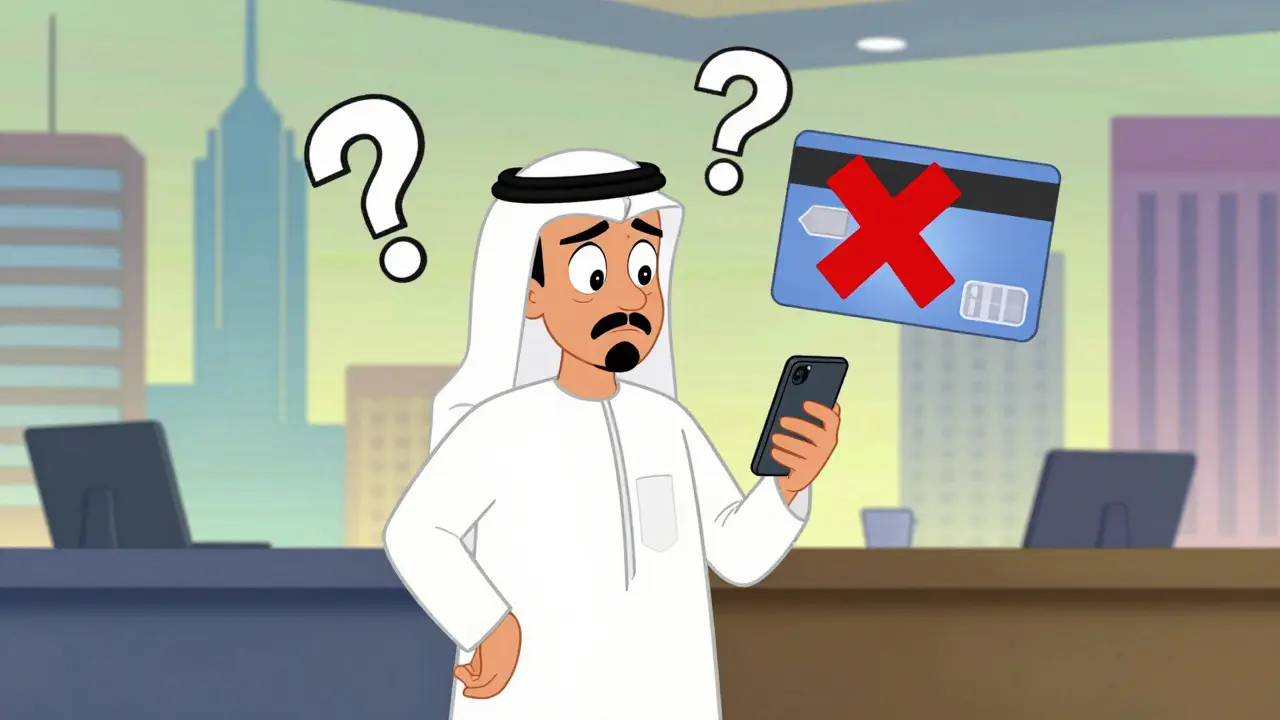
Buying Bitcoin in Riyadh feels like navigating a maze with no map. On one side, you have the Saudi Central Bank (SAMA), which strictly prohibits banks from processing cryptocurrency transactions without explicit approval. On the other, you have millions of Saudis eager to trade digital assets. The result? A vibrant, underground ecosystem where users rely on clever workarounds rather than official channels. If you are trying to figure out how to buy crypto in Saudi Arabia in 2026, you need to understand that there is no single "easy button." Instead, success depends on choosing the right method for your risk tolerance and technical comfort.
The landscape has shifted significantly since 2018. While virtual currencies lack formal legal recognition as tender, they are increasingly treated as digital assets. This ambiguity creates a paradox: approximately 4 million Saudis own crypto, yet local banking rails remain closed to direct purchases. Understanding this gap is the first step to accessing exchanges safely and effectively.
Key Takeaways
- No Local Banks: You cannot use standard Saudi bank cards or transfers directly on major exchanges like Binance due to SAMA restrictions.
- P2P is King: Peer-to-peer trading via platforms like Binance P2P or Bybit is the most reliable method for converting SAR to USDT.
- Global Exchanges Dominate: 78% of Saudi crypto traffic goes to international platforms; Binance, Bybit, and OKX are the top choices.
- Regulatory Risk Exists: While not explicitly illegal for individuals, using unlicensed channels carries risks of account freezes or fraud.
- Age Matters: Younger Saudis (under 30) drive adoption, leveraging mobile apps and community knowledge more than older demographics.
Why Direct Banking Doesn't Work
If you try to link your Al Rajhi or Alinma card to Coinbase or Kraken, it will likely fail. This isn't a glitch; it's policy. SAMA has issued clear directives prohibiting financial institutions from facilitating crypto transactions unless they hold specific licenses, which currently do not exist for retail crypto exchanges in the Kingdom.
This restriction forces users to look elsewhere. Unlike neighbors in the UAE, where Dubai’s Virtual Assets Regulatory Authority (VARA) provides clear licensing frameworks, Saudi Arabia maintains a restrictive stance. This means you can’t just click "Buy" with a Visa card. You must bridge the gap between your Saudi Riyal (SAR) holdings and the global crypto market using alternative methods.
Method 1: Peer-to-Peer (P2P) Trading
For most Saudis, Peer-to-Peer (P2P) Trading is the primary method for converting fiat currency into cryptocurrency without using restricted banking channels. This approach accounts for roughly 37% of all fiat-to-crypto conversions in the region. Here is how it works in practice:
- Choose a Platform: Register on a major exchange like Binance or Bybit. Both support P2P markets with SAR pairs.
- Find a Merchant: Browse merchants who accept SAR via bank transfer. Look for those with high completion rates (95%+) and many orders.
- Initiate Trade: Enter the amount of SAR you want to spend. The platform locks the seller’s crypto in escrow.
- Transfer Funds: Send the SAR directly to the merchant’s bank account using Mawared or Sadad. Note: Do not mention "crypto" in the transfer reference. Use generic terms like "goods" or "services" to avoid triggering bank filters.
- Release Crypto: Once the merchant confirms receipt, they release the crypto (usually USDT or BTC) to your wallet.
This method is popular because it bypasses the banking block entirely. However, it requires vigilance. Always keep communication within the platform’s chat system. Never send money outside the P2P interface, as this voids buyer protection. According to user data, 68% of Saudis praise the ease of this method when done correctly, but 33% report issues with account freezes if their banking patterns look suspicious to their local bank.

Method 2: International Exchange Registration
About 45% of Saudi users access crypto through direct registration on international exchanges. Platforms like OKX and Binance allow Saudi residents to complete Know Your Customer (KYC) verification using their national ID (Iqama or Civil ID).
While you can verify your identity, funding the account remains the hurdle. Many users combine KYC-verified accounts with third-party payment processors. Services like NOWPayments or Wise sometimes facilitate cross-border transfers, though fees average 3.7%. Some users also utilize gift card conversions, buying Amazon or Steam cards with SAR and exchanging them for crypto on specialized platforms, though this method is slower and less liquid.
Method 3: Cryptocurrency ATMs
If you prefer cash transactions, crypto ATMs offer a physical alternative. As of late 2024, there were 127 operational units across Riyadh, Jeddah, and Dammam. These machines allow you to insert SAR notes and receive crypto sent directly to your mobile wallet address.
The downside? High fees. ATM operators often charge 5-10% per transaction compared to the 0.5-1% typical of P2P trades. Additionally, limits are low, making this method suitable only for small purchases. Always check CoinATMRadar for the nearest machine and ensure it supports the specific coin you want to buy before visiting.

Navigating Technical Barriers: VPNs and Apps
Internet restrictions in Saudi Arabia can occasionally impact access to certain crypto websites or social media groups. To maintain consistent access, many users employ Virtual Private Networks (VPNs). NordVPN reported a 28% year-over-year growth in Saudi subscriptions specifically for crypto access in 2024.
You don’t necessarily need a VPN to use Binance or Bybit, as these sites are generally accessible. However, if you find yourself unable to load trading charts or connect to APIs, a reputable VPN can help. For younger users (under 30), mobile applications are the primary interface. Statista data shows 63% of this demographic relies on apps for trading, making mobile optimization crucial. Ensure your app is updated and multi-factor authentication (MFA) is enabled to secure your account against unauthorized access.
Risks and Safety Considerations
Accessing crypto in Saudi Arabia involves real risks. Since there is no local regulatory protection, you are on your own if something goes wrong. In 2024, the Saudi Cybercrime Investigation Department recorded 1,842 cases of crypto-related fraud totaling SAR 1.2 billion ($320 million).
To stay safe:
- Use Escrow: Never engage in direct bank transfers without platform-backed escrow.
- Verify Merchants: Check P2P seller history thoroughly. Avoid new accounts with few trades.
- Secure Your Wallet: Use hardware wallets for large holdings. Software wallets on phones are vulnerable to malware.
- Avoid Scams: Be wary of "investment groups" promising guaranteed returns. These are almost always scams.
Additionally, be aware of the legal gray area. While owning crypto isn’t explicitly banned for individuals, the Ministry of Finance has warned against dealing in virtual currencies. Engaging in large-scale trading could potentially attract scrutiny under Anti-Money Laundering laws. Keep records of all transactions and consider consulting a local legal expert if your volume is significant.
| Method | Speed | Fees | Risk Level | Best For |
|---|---|---|---|---|
| P2P Trading | Medium (1-2 hours) | Low (0.5-1%) | Medium | Daily traders, larger amounts |
| Crypto ATMs | Fast (Minutes) | High (5-10%) | Low | Small, immediate purchases |
| Gift Cards | Slow (Days) | Variable | High | Anonymous users, small amounts |
| Cross-Border Remittance | Medium (1-3 days) | Medium (3-5%) | Medium | Users with foreign bank accounts |
Future Outlook: What Changes Are Coming?
The regulatory environment is evolving. SAMA is actively participating in CBDC projects like mBridge, indicating an interest in blockchain technology at the institutional level. Meanwhile, the Capital Market Authority (CMA) has issued discussion papers on digital asset classification. Experts predict draft regulations may emerge by late 2025 or 2026, potentially creating licensed pathways for retail trading.
Until then, the current methods remain the standard. The market is projected to grow from $23.1 billion in 2024 to $45.9 billion by 2033, driven largely by youth adoption. As regulations clarify, expect more localized solutions to appear, possibly including licensed P2P platforms or integrated fintech apps. For now, patience and caution are your best tools.
Is it illegal to own cryptocurrency in Saudi Arabia?
Owning cryptocurrency is not explicitly illegal for individuals in Saudi Arabia. However, it lacks legal recognition as tender, and banks are prohibited from facilitating transactions. Users operate in a regulatory gray area, meaning while possession isn't criminalized, engaging in commercial activities without a license could violate financial regulations.
Can I use my Saudi bank card on Binance?
No, you generally cannot use Saudi-issued Visa or Mastercard directly on Binance or other major exchanges. SAMA restrictions prevent local banks from processing these transactions. Most Saudis use P2P trading or third-party payment services instead.
No, you generally cannot use Saudi-issued Visa or Mastercard directly on Binance or other major exchanges. SAMA restrictions prevent local banks from processing these transactions. Most Saudis use P2P trading or third-party payment services instead.
What is the safest way to buy crypto in Riyadh?
The safest method for most users is P2P trading on established platforms like Binance or Bybit. Using escrow services protects both buyers and sellers. Always choose merchants with high completion rates and positive feedback. Avoid direct bank transfers outside of protected platforms.
Do I need a VPN to access crypto exchanges in Saudi Arabia?
Not necessarily. Major exchanges like Binance and Bybit are usually accessible without a VPN. However, if you experience connectivity issues or want to access restricted social media communities for advice, a reputable VPN like NordVPN can help ensure uninterrupted access.
Are there any crypto ATMs in Jeddah?
Yes, there are crypto ATMs in major cities including Jeddah, Riyadh, and Dammam. However, they charge high fees (5-10%) and have low transaction limits. They are best suited for small, urgent purchases rather than regular trading.
What happens if my P2P account gets frozen?
If your exchange account is frozen, contact customer support immediately and provide requested documentation. If your local bank account is frozen, cooperate with authorities and explain the nature of the transactions. Keeping detailed records helps resolve disputes faster. Prevention is key-always follow platform rules and avoid suspicious counterparties.
Albert Lee
May 11, 2026 AT 17:45Wow, this is such a huge relief to see someone actually break down the reality of buying crypto in KSA without sugarcoating it! 🙌 I've been watching my cousins struggle with this for years and it's honestly heartbreaking how much friction they face just to hold an asset. The part about P2P being king really resonates because that's literally what everyone I know there does. It's wild that we are in 2026 and you still have to treat your bank transfer like a state secret by using vague references like 'goods' or 'services'. That sounds incredibly stressful but also kind of brilliant in its simplicity if you follow the rules. You guys are navigating a minefield every single day and yet the adoption rates keep climbing which shows pure determination. Keep staying safe out there and remember that patience is literally the most valuable currency right now alongside Bitcoin! 💪
Michelle Bonahoom
May 11, 2026 AT 21:36typical western guide trying to tell us how to do things when you clearly dont understand the local banking infrastructure at all why would anyone trust these shady p2p merchants when their own government has strict laws for a reason its probably all scams anyway stop spreading misinformation about how easy it is just because some kids under 30 are doing it doesnt mean its smart or safe the whole system is broken and you are just enabling bad behavior by giving step by step instructions on how to bypass regulations
Matt Davis
May 13, 2026 AT 13:32I must say that the premise of this entire discussion is fundamentally flawed from a regulatory standpoint. The suggestion that one should simply ignore banking protocols by using generic terms in transfer references is not only legally precarious but also morally questionable. One might argue that the Saudi Central Bank's restrictions are placed there for a very specific reason regarding financial stability and anti-money laundering efforts. To characterize these measures as merely an obstacle to be circumvented through clever workarounds is to misunderstand the nature of modern monetary policy entirely. Furthermore, the reliance on unlicensed peer-to-peer networks creates a shadow economy that operates outside of consumer protection frameworks. This is not a practical guide; it is a recipe for potential legal entanglement. The notion that 78% of traffic goes to international platforms suggests a systemic failure in local financial inclusion rather than a triumph of individual ingenuity. We should perhaps look at this not as a puzzle to be solved but as a warning sign of deeper structural issues.
Shelby Cantu
May 14, 2026 AT 03:34Great info!
Pauline Larocco71
May 14, 2026 AT 19:23i totally get where u comin from with the p2p stuff its crazy how hard it is sometimes i feel like im playing detective every time i send money lol but hey at least we got options right? the atm thing seems cool tho but those fees are no joke like 10% is insane man. i usually stick to binance p2p cause its safer even though it takes forever to find good merchants. hope things get easier soon cause dealing with banks who freeze ur account for no reason is super stressful 😩
beti macedo
May 14, 2026 AT 20:25It is indeed a fascinating observation that the youth demographic drives such significant adoption despite the regulatory ambiguity. The resilience shown by these individuals in navigating complex financial landscapes is commendable. However, one must remain cautious about the long-term implications of operating in a gray area. The lack of formal legal recognition as tender poses inherent risks that cannot be ignored. Perhaps future legislative changes will provide a more structured framework for digital assets. Until then, vigilance and adherence to safety protocols are paramount. The information provided here serves as a valuable resource for understanding the current dynamics.
Bianca Vilas Boas Lourenço
May 15, 2026 AT 10:39Oh wow, another article pretending that hiding behind a VPN makes you safe from everything 🙄 Like seriously, do you think SAMA doesn't have eyes everywhere? I mean, sure, go ahead and put 'services' in your transfer note and pretend the algorithm won't flag it. Good luck with that 😂 And don't even get me started on the ATM fees, 10%?! Are they robbing us blind or what? I guess if you want to lose half your stack before you even start trading, go for it. But don't come crying to me when your account gets frozen for the third time this month. Stay woke, people. Or whatever. 🖕
Yash Lodha
May 16, 2026 AT 08:44The sheer audacity of centralized banks attempting to stifle the inevitable rise of decentralized finance is nothing short of pathetic. They claim it's for your protection, but we all know the truth-they're terrified of losing control over the narrative. Every time you use a generic reference in a transfer, you are striking a blow against the surveillance state. The fact that they can't stop the flow of capital despite their draconian measures proves that freedom cannot be contained by mere legislation. Those who participate in the P2P ecosystem are not criminals; they are pioneers of a new economic order. Do not let their fear mongering deter you from embracing the technology that liberates you from their archaic systems.
Jesse Alston
May 16, 2026 AT 21:14This is actually super helpful context for anyone trying to figure out the logistics! 👍 Just a quick tip for those new to P2P: always double-check the merchant's completion rate AND their number of orders. Sometimes people fake high completion rates with very few trades. Also, never ever release the crypto until you see the money hit your bank account properly. I've seen too many folks get scammed because they rushed the process. Happy trading! 🚀💰
Sarah C
May 18, 2026 AT 12:15I really appreciate how detailed this guide is. It's so important to have accurate information when dealing with something as sensitive as crypto in a restrictive environment. I agree that P2P is currently the most viable option, but I also think we need to be careful about not normalizing risky behaviors. Maybe we can discuss some additional security measures for wallet storage in a separate thread? I'd love to hear more thoughts from others on how they manage their private keys securely while using mobile apps.
Kimberly Herbstritt
May 19, 2026 AT 23:35Honestly, I think everyone is overreacting about the risks. If you're careful, it's pretty straightforward. I've been using Binance P2P for two years now without any issues. The key is just to be consistent and polite with the merchants. Don't act suspicious, and you'll be fine. Also, the ATM option is great for emergencies even with the fees. Why make it complicated?
Sharada Vakkund
May 21, 2026 AT 20:40Welcome to the community! It's great to see such diverse perspectives here. Whether you're a seasoned trader or just starting out, it's crucial to stay informed and connected with others who share similar experiences. Let's continue to support each other and share best practices for navigating these challenges safely. Remember, knowledge is power, and together we can build a more resilient network. Feel free to ask questions or share your own stories-we're all learning as we go!