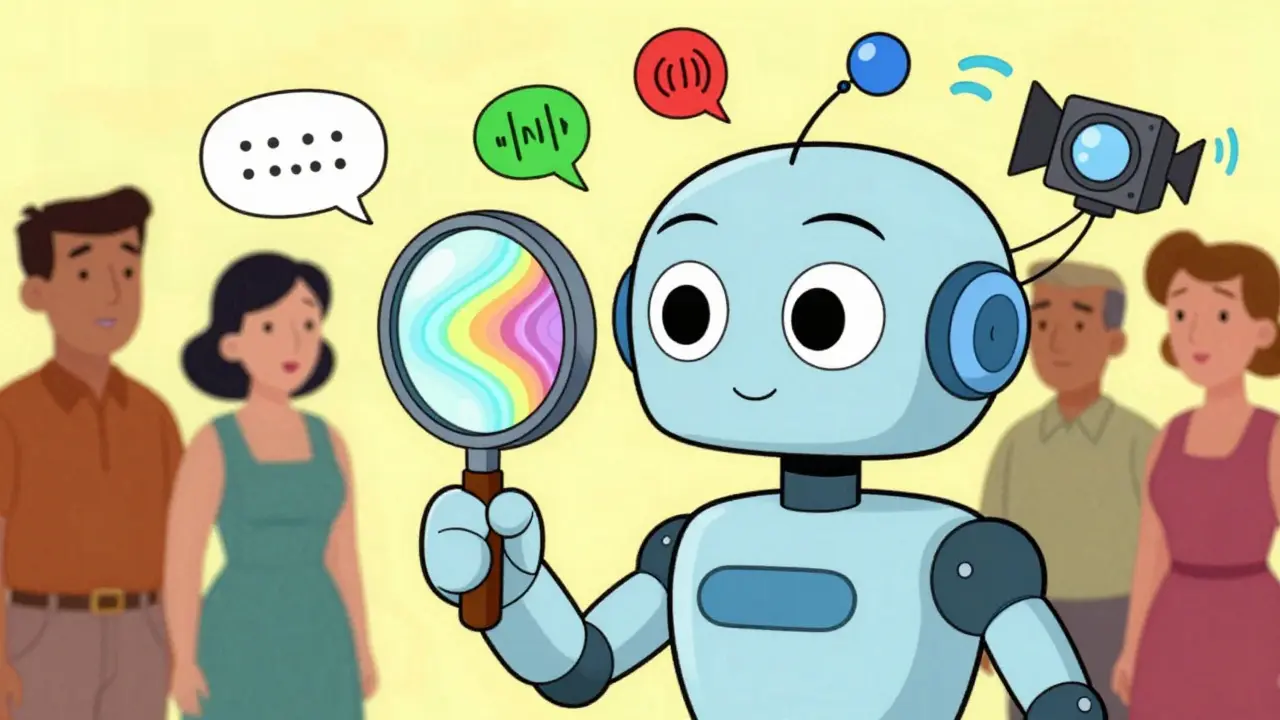
Imagine a world where your brand doesn't just read your customers' words but feels their tone, sees their facial expressions, and verifies the authenticity of that feedback on an immutable ledger. That is not science fiction; it is the reality of AI sentiment analysis in 2026. We have moved far beyond simple keyword scanning that flagged "bad" as negative and "good" as positive. Today's systems are sophisticated, multimodal engines that process text, voice prosody, and visual cues simultaneously to understand human emotion with startling accuracy.
But here is the twist that most tech articles miss: the true future of this technology isn't just about better algorithms. It is about trust. As AI-generated content floods the internet, distinguishing between genuine human emotion and synthetic manipulation has become critical. This is where blockchain knowledge intersects with artificial intelligence, creating a new paradigm for verified, transparent, and ethical sentiment analysis.
The Shift from Text to Multimodal Intelligence
For years, we relied on Natural Language Processing (NLP) to analyze reviews, tweets, and support tickets. While effective, text-only analysis misses a huge chunk of human communication. Sarcasm, irony, and emotional intensity are often lost in plain text. The current generation of AI sentiment analysis tools, powered by large language models like GPT-4 and its successors, now integrates computer vision and audio processing.
This multimodal approach allows systems to detect micro-expressions in video calls or changes in vocal pitch during phone support interactions. For example, a customer might type "Fine," which looks neutral or even positive in text. However, if the AI analyzes the accompanying audio track and detects a sharp rise in volume and a trembling tone, it correctly flags the interaction as high-risk frustration. This capability is transforming customer service, allowing companies to intervene before a situation escalates.
| Generation | Input Data | Accuracy Limitations | Primary Use Case |
|---|---|---|---|
| First Gen (Pre-2020) | Text only | Misinterpreted sarcasm/context | Basic review monitoring |
| Second Gen (2020-2024) | Text + Contextual NLP | Lacked non-verbal cues | Customer support routing |
| Third Gen (2025-2026) | Multimodal (Text, Audio, Video) | High computational cost | Real-time empathy detection |
Why Blockchain Matters for Sentiment Data
You might wonder why a discussion on AI emotions needs blockchain knowledge. The answer lies in data integrity and privacy. In 2026, consumers are increasingly skeptical of how their data is used. They want to know if their feedback is being stored securely, who has access to it, and whether it is being manipulated by bots or fake reviews.
Blockchain provides a decentralized ledger that can record sentiment data transactions immutably. When a customer interacts with a brand, the sentiment score and the raw data hash can be recorded on a blockchain. This creates a verifiable audit trail. If a company claims their product has a 95% satisfaction rate, stakeholders can verify this against the on-chain data without trusting the company's internal database alone. This transparency builds trust, which is the currency of modern business.
Furthermore, blockchain enables self-sovereign identity for users. Customers can choose to share their sentiment data with brands while retaining ownership. Smart contracts can automatically reward users with tokens for providing high-quality feedback, creating a fairer ecosystem where honest opinions are valued and compensated.

Market Trends and Growth Projections
The demand for these advanced insights is driving massive market growth. The global AI sentiment analysis market is projected to grow at a Compound Annual Growth Rate (CAGR) of 18.9% from 2026 to 2033. This surge is fueled by the need for data-driven decision-making in marketing, product development, and customer experience management.
Nearly 65% of organizations have adopted or are actively investigating AI technologies for data analytics as of 2025. Sentiment analysis is no longer a niche tool for big tech; it is becoming a standard component of business intelligence platforms. Companies are realizing that understanding the 'why' behind customer behavior is more valuable than simply tracking the 'what'.
Implementation Challenges and Real-World Pitfalls
Despite the hype, implementing these systems is not plug-and-play. Many organizations face significant hurdles:
- Data Bias: AI models trained on limited datasets may misinterpret cultural nuances or dialects. A phrase considered polite in one region might seem aggressive in another. Ensuring diverse training data is essential for global brands.
- Privacy Concerns: Collecting biometric data (voice, facial expressions) raises serious GDPR and CCPA compliance issues. Companies must implement robust consent mechanisms and data anonymization techniques.
- Integration Complexity: Connecting multimodal AI with existing CRM systems requires substantial technical expertise. Deployment timelines range from three months for basic setups to over a year for enterprise-wide solutions.
- Synthetic Noise: With the rise of AI-generated reviews and social media posts, distinguishing human sentiment from bot activity is crucial. This is where blockchain verification becomes indispensable.

The Role of Agentic AI in Customer Support
A major trend in 2026 is the rise of agentic AI systems. Unlike passive chatbots that follow scripted paths, agentic AI can manage entire support interactions autonomously. Approximately 29% of companies are already using these systems, with 44% planning adoption within the next year.
These agents use historical context and real-time sentiment analysis to adapt their responses dynamically. If a customer's sentiment shifts from neutral to angry, the agent can escalate the issue to a human supervisor or offer a personalized compensation package instantly. This level of automation reduces staffing costs while improving response times and consistency.
Ethical Considerations and Future Outlook
As AI becomes more adept at reading our emotions, ethical questions arise. Are we manipulating customers too effectively? Is constant emotional monitoring invasive? Industry leaders are calling for stricter regulations and ethical guidelines to ensure these technologies are used responsibly.
The future of AI sentiment analysis lies in balancing technological capability with human-centric values. By integrating blockchain for transparency and focusing on multimodal accuracy, businesses can build deeper, more authentic connections with their customers. The goal is not just to predict behavior but to understand and respect human emotion in the digital age.
What is multimodal sentiment analysis?
Multimodal sentiment analysis combines multiple data sources-such as text, audio, and video-to determine human emotion. Instead of just reading words, the AI analyzes tone of voice, facial expressions, and physiological signals to provide a more accurate and nuanced understanding of sentiment.
How does blockchain improve AI sentiment analysis?
Blockchain adds a layer of trust and transparency. It creates an immutable record of sentiment data, preventing tampering and ensuring that customer feedback is authentic. It also enables secure, user-controlled data sharing through smart contracts, addressing privacy concerns.
What are the main challenges in deploying sentiment AI?
Key challenges include data bias leading to inaccurate interpretations across cultures, high implementation costs, complex integration with existing IT infrastructure, and regulatory compliance regarding biometric data privacy.
Is AI sentiment analysis accurate enough for business decisions?
Yes, modern systems achieve high accuracy, especially when using multimodal inputs. However, they still require human oversight for complex emotional contexts. Businesses should use AI insights as a powerful guide rather than the sole decision-maker.
How long does it take to implement an advanced sentiment analysis system?
Basic text-based systems can be deployed in weeks. However, comprehensive multimodal systems with real-time processing and blockchain integration typically take 12 to 18 months to fully implement and optimize.