
If you live in Qatar and hold Bitcoin, your situation changed drastically in September 2024. Many people still think the rules are vague, but the reality is quite sharp. You cannot simply buy or trade standard cryptocurrencies through local banks anymore. However, the story isn't entirely black and white. There is a specific path for digital asset involvement that the government has officially approved. Understanding the difference between what is banned and what is licensed is critical for avoiding legal trouble.
We need to look closely at Digital Assets Framework 2024. This set of regulations created a dual-track system. It keeps traditional coins off the market while opening doors for asset-backed tokens. Knowing this distinction is the first step toward staying compliant.
The New Regulatory Landscape
The ground shifted significantly when the Qatar Financial Centre (QFC) Authority released their new rules. By March 2026, the Qatar Financial Centre Regulatory AuthorityThe QFCRA oversees financial regulation within the Qatar Financial Centre jurisdiction has enforced these standards for over six months. Before this update, residents faced a confusing patchwork of bans dating back to 2018. Now, there is clarity.
The central theme of these updates is control. The government wants to allow blockchain technology to help the economy without letting speculative gambling take over the financial sector. This means you might see new investment products launched in Doha, but you won't see an exchange for trading Dogecoin or Ethereum against the Riyal. The authorities classify digital assets into two distinct buckets: permitted and excluded. Everything falls into one or the other, with no gray area left for banks to interpret.
Understanding Excluded Tokens
Most people ask about Bitcoin, Ethereum, or Tether first. Under the current law, these fall under "Excluded Tokens." These are defined explicitly as currency substitutes. The ban covers everything that tries to act like money but isn't issued by a central bank. This definition catches stablecoins, which try to peg their value to the US Dollar or gold.
- Bitcoin and similar proof-of-work currencies.
- Stablecoins used for transfers.
- Central Bank Digital Currencies (CBDCs) operating privately.
- Utility tokens not backed by real physical assets.
The logic here is straightforward. If a digital token doesn't represent a claim to a tangible asset in the real world, it is considered risky. The QFCRA prohibits all virtual asset services related to these tokens. That means you cannot open a wallet with a local provider, transfer funds to an exchange, or hold custody accounts for these items within the regulated zone. Banks receive explicit instructions to block these transactions. If you attempt to move large sums using these methods, the compliance systems flag them immediately.
Why does this matter to you personally? Even if you manage to acquire these assets overseas, bringing them into the QFC banking system is blocked. The restriction applies to the service providers inside Qatar more than individual possession, but because domestic services are blocked, access becomes functionally impossible for regular users.
What Are Permitted Tokens?
This is where things get interesting for investors. The regulations recognize "Permitted Tokens." These are not random digital coins. They are digital representations tied to verified rights. Think of them as digitized versions of things you already own, like shares or property deeds. To qualify, the token must pass through a specific validation process.
You can invest in these digital securities through licensed providers. Common examples include:
- Tokenized shares of listed companies.
- Digital bonds and Sukuk (Islamic finance).
- Fractional real estate ownership.
- Commodity-backed tokens representing physical goods.
This approach aligns perfectly with Qatar's economic goals. The country holds massive reserves in energy and real estate. By allowing these assets to be tokenized, they improve liquidity and transparency without exposing the public to volatile speculative markets. For a resident, this means you can access blockchain technology, but only if the underlying value exists outside the screen. The risk profile is closer to traditional investing rather than crypto speculation.
| Feature | Excluded Tokens | Permitted Tokens |
|---|---|---|
| ExamplesCommon types of digital assets | Bitcoin, Stablecoins | Tokenized Real Estate, Sukuk |
| Legal Status | Prohibited | Recognized |
| Backing | No tangible asset | Verified real-world asset |
| Service Providers | Banned VASPs | Licensed Generators |
The Tokenization Process Explained
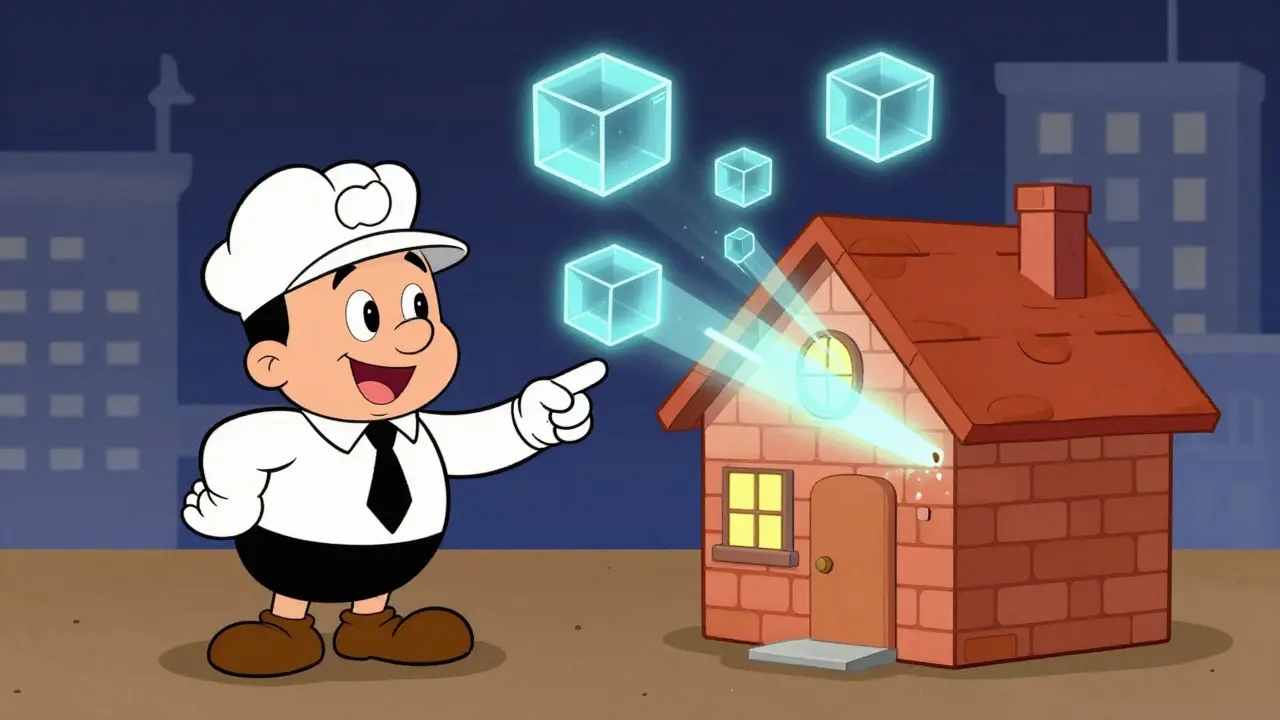
Even if you have permission to invest, you cannot just click a button. The system requires a rigorous workflow to ensure the asset actually exists. This three-step process ensures that every digital token has a physical counterpart. First, a validator issues a certificate verifying ownership of the underlying asset. This prevents anyone from creating fake claims on air.
Second, the owner makes a formal request for tokenization. This initiates the official paperwork required by the regulator. Third, a licensed generator creates the actual token on specific infrastructure. Because these steps involve multiple parties, fraud is much harder to execute compared to unregulated private exchanges. The smart contracts governing these transfers are legally recognized, meaning if you buy a piece of a building via a token, the law protects that ownership right.
Compliance and Risk Management
Many people worry about whether their existing holdings are safe. The regulations focus heavily on financial institutions. They are strictly forbidden from dealing in cryptocurrencies. For individuals, the rules are slightly less explicit regarding private possession, but highly restrictive regarding services. If you try to offer wallet services or trading platforms inside Qatar, you face immediate shutdown orders.
The government justifies these strict measures citing risks of money laundering and illicit financing. Law No. 20 of 2019 defines funds broadly to include digital assets obtained through electronic systems. This means even if a token isn't part of the 2024 Framework, AML/CFT laws still apply to any transactions involving digital systems. Authorities monitor movement of funds carefully. Suspicious activity reports flow directly to regulators. Ignoring these requirements puts both businesses and individuals at risk of severe penalties.
For businesses considering entry into the market, compliance means adhering to prohibitions. There are no complex filing requirements for crypto businesses because the business model itself is illegal if it deals in excluded tokens. Instead, companies must apply for licenses to handle permitted assets. The licensing process demands proof of technical security and operational integrity. This barrier keeps many casual operators out, ensuring only serious players operate the platform.

Practical Steps for Residents
If you want to invest digitally, you need to find a licensed provider. Look for companies registered with the QFCRA that specialize in permitted tokenization. Avoid international exchanges that promise high returns with zero verification. Those services usually lack legal protection if things go wrong. Working through authorized channels ensures that your digital rights are enforceable in QFC courts.
Always check the backing. Ask exactly what asset the token represents. Is it a deed to a property? A share in a bond? If the answer is unclear, it likely falls into the excluded category. Stay away from offers promising guaranteed yield without showing the underlying collateral. Volatility is low with asset-backed tokens, which is why the regulators approve them. High-risk volatility remains a red flag in the current environment.
Can I own Bitcoin in Qatar legally?
Private ownership is not explicitly criminalized in all cases, but accessing banking services for it is prohibited. You cannot use local banks to transfer or store Bitcoin legally due to restrictions on VASP services.
Are stablecoins like USDT allowed?
No. Stablecoins are classified as Excluded Tokens because they act as currency substitutes. They do not meet the criteria for Permitted Tokens under the Digital Assets Framework 2024.
How do I verify if a token is permitted?
Check if the asset is backed by a verified real-world right such as real estate or sukuk and issued by a QFCRA licensed token generator. Unregistered tokens are assumed to be excluded.
What happens if I trade banned cryptos?
Transactions may be flagged under Anti-Money Laundering laws. Financial institutions will likely freeze funds involved in unauthorized virtual asset activities within their jurisdiction.
Will these restrictions change soon?
Current projections suggest stability. The 2024 Framework prioritizes asset-backed tokenization, and there are no indications of loosening rules on speculative cryptocurrencies anytime soon.
Looking Ahead
The landscape is settling into its long-term shape. Qatar chose a different path from neighbors who allowed broader crypto markets. This strategy protects local capital from extreme volatility while pushing innovation in traditional sectors like real estate and finance. As we move through 2026, expect more real-world projects to launch using this framework. The gap between global crypto trends and local laws remains wide, but the opportunity for compliant digital investment is growing steadily.
Staying informed is vital. Regulations evolve, and the list of permitted assets might expand. Keep an eye on official announcements from the QFCRA. Following the news helps you avoid accidental violations. While you might miss out on meme coin rallies, the safety of your principal remains the priority in this jurisdiction. Always prioritize legal compliance over potential quick gains in this regulated environment.
Justin Credible
March 26, 2026 AT 15:12Its crazy how the banks block everything now. I thought we could still trade small amounts online. But the new rules say no local providers. This makes it hard to move money safely. People dont know if its legal or not. My friend tried last week and got flagged. The system blocks transactions instantly. It feels like living in two different worlds. You hold the asset but cant touch it here. Banks just follow the order from above. They dont care about your investment needs. Compliance teams are watching every transfer. We need better ways to store value locally. Maybe digital real estate is the only way forward. Just wish the process was realy less confusing for us normal guys. Seems like overkill for personal savings.
Abhishek Thakur
March 28, 2026 AT 12:52The regulatory framework explicitly defines VASP prohibitions under Law No 20. QFCRA enforcement mechanisms monitor cross border flows effectively. Asset backed tokens require verified custody chains for validation. Digital securities operate within licensed generator ecosystems only. Unregistered exchanges face immediate seizure actions by authorities. AML filters scan transaction metadata continuously for patterns. Users must distinguish permitted structures from excluded categories. Tokenization workflows involve third party audit procedures regularly. Smart contract code undergoes legal compliance reviews prior to deployment. Private possession remains gray area but service access is blocked completely.
Jackie Crusenberry
March 29, 2026 AT 04:57Nothing changes because the rich always find a loophole while we lose options.
Shelley Dunbrook
March 30, 2026 AT 04:49The government claims safety yet restricts freedom entirely. Irony is palpable when innovation gets labeled as gambling. Citizens become responsible for regulatory interpretation themselves. Official guidance contradicts common sense practices frequently. Compliance costs outweigh potential gains for most individuals.
Anna Lee
March 31, 2026 AT 06:52I hope people can adapt fast too. Safety is gratefull to have even if slow. We shoudl trust the official paths mostly. Things will get better with time passing slowly.
Shana Brown
March 31, 2026 AT 15:43Stay safe everyone out there please:) Dont take unnecessary risks with funds. Follow the rules to keep accounts open. We can learn new skills together :) It is important to protect our future investments.
Aman Kulshreshtha
April 1, 2026 AT 06:38Yeah man this makes sense honestly. Back home things are similar with banking apps. Governments always want control over money flow. Cant really blame them for security reasons though. Just adjust to the new normal vibes.
Marie Mapilar
April 2, 2026 AT 21:12The tokenization workflow is actually quite structured overall. Validators issue certificates before anything moves in the system. Then owners submit formal requests for listing officially. Licensed generators create the actual chain records accurately. Smart contracts bind everything legally now effectively. This prevents fraud much better than old methods did. Real world assets back every single unit securely. You verifing deeds against physical property titles constantly. Bonds and Sukuk fit into this model very well indeed. Islamic finance principles align with security goals perfectly. Regulators want to stop speculative gambling behavior mainly. Liquidity improves without the price swings causing panic. Technology helps traditional sectors grow faster steadily. Innovation happens inside clear boundaries today hopefully. Security layers protect investors from scams effectively too. Everyone benefits from stable digital systems ultimately.
Domenic Dawson
April 3, 2026 AT 00:13You are doing great work sharing this information clearly. Many people need to read about the rules carefully. Keep spreading awareness for others in the community. Your analysis helps everyone understand the risks involved. Stay strong while navigating these complex changes.
Neil MacLeod
April 4, 2026 AT 23:08Bureaucratic labyrinths often ensnare the unsuspecting investor unfortunately. Regulatory architecture dictates market fluidity quite severely here. Excluded assets represent volatile specters haunting ledgers. Permitted instruments serve as anchors amidst the storm. Financial sovereignty remains a fragile concept locally.