Crypto Regulations and Scams in 2025: What Happened in November
When it comes to crypto regulation, the legal rules governments set for buying, trading, and using digital assets. Also known as cryptocurrency law, it's no longer optional—it's the backbone of whether your coins stay safe or vanish overnight. In November 2025, countries like Vietnam and Nigeria made it crystal clear: if you're not on the government’s approved list, you’re playing with fire. Vietnam’s new rules demanded $379 million in capital just to apply for a license, while Nigeria banned businesses from accepting crypto directly. These aren’t suggestions—they’re enforcement-ready laws that changed how traders and companies operate.
Meanwhile, crypto scams, fraudulent projects designed to steal your money under the guise of innovation. Also known as rug pulls, they hit new heights this month with tokens like PEPE MAGA and MARGA that had zero supply, no team, and fake price charts. These weren’t just bad investments—they were honeypots, traps that locked you in so you couldn’t sell. And it wasn’t just meme coins. Exchanges like Satowallet and LocalTrade vanished with millions, proving that unregulated platforms are still the #1 way people lose crypto. Even airdrops, once seen as free money, turned risky: SENSO gave away $500 to one person, while Metahero’s latest drop was only for active users—no public sign-up, no guarantees. If you didn’t check if a project had a real team, audited code, or public liquidity, you were already behind.
Behind the drama, quiet tools kept the ecosystem running. blockchain fees, the cost to send transactions on networks like Bitcoin and Ethereum. Also known as gas fees, they’re what make or break your trading strategy. In November, fee estimation tools became essential—overpaying meant wasting money, underpaying meant waiting days. Meanwhile, carbon crypto exchanges like Toucan Protocol quietly grew, letting real-world environmental projects trade tokenized credits on-chain. And for those still staking, slashing risks on Ethereum and Cosmos reminded everyone: even good actors can lose funds from simple misconfigurations.
What you’ll find below isn’t hype. It’s a record of what actually happened: which coins died, which governments cracked down, which airdrops were real, and which exchanges you should never touch. No fluff. No guesses. Just facts from the month that changed crypto for good.
HODLing crypto means holding through market crashes for long-term gains. Learn the real benefits-tax deferral, staking rewards, and psychological peace-and the hidden risks like lost keys, regulatory bans, and total coin collapse.
View More
PEPE MAGA is not a real cryptocurrency - it's a honeypot scam designed to trap buyers who can't sell their tokens. With fake prices, no team, and zero development, it's one of the most dangerous meme coin scams of 2024.
View More
The SENSO token airdrop in 2025 was extremely small - only one winner got $500 worth of tokens. Learn why Sensorium Galaxy's approach is different, what SENSO is actually used for, and whether it's still worth your time.
View More
Carbon crypto exchanges are transforming how we trade carbon credits using blockchain. In 2025, platforms like Toucan Protocol and AirCarbon Exchange offer transparent, fast, and scalable ways to buy and sell tokenized offsets-whether you're a crypto user or a corporate buyer.
View More
Satowallet crypto exchange promised fee-free trading and 40% dividends but vanished in 2019 with over $1 million in user funds. Learn why it was a scam and how to avoid similar crypto frauds.
View More
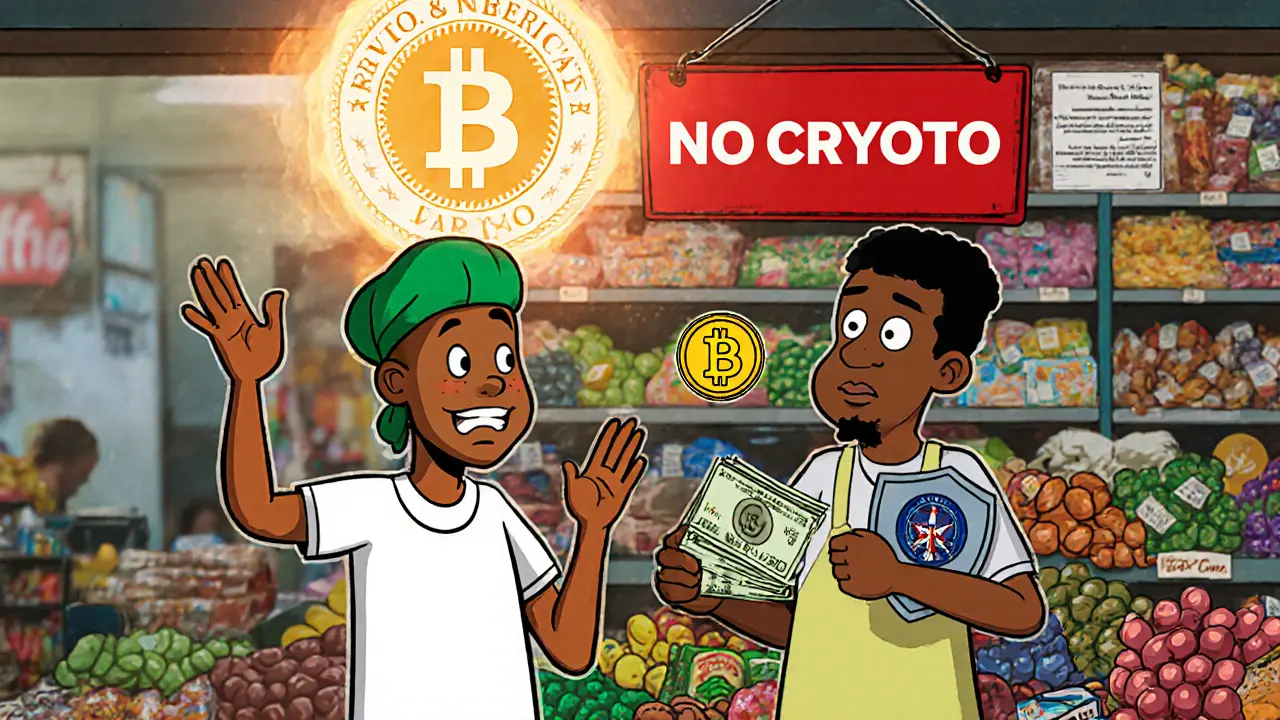
In 2025, Nigerian businesses can't legally accept crypto as direct payment. Only SEC-licensed VASPs can handle crypto transactions. Learn how to use approved platforms to accept crypto payments safely and legally.
View More
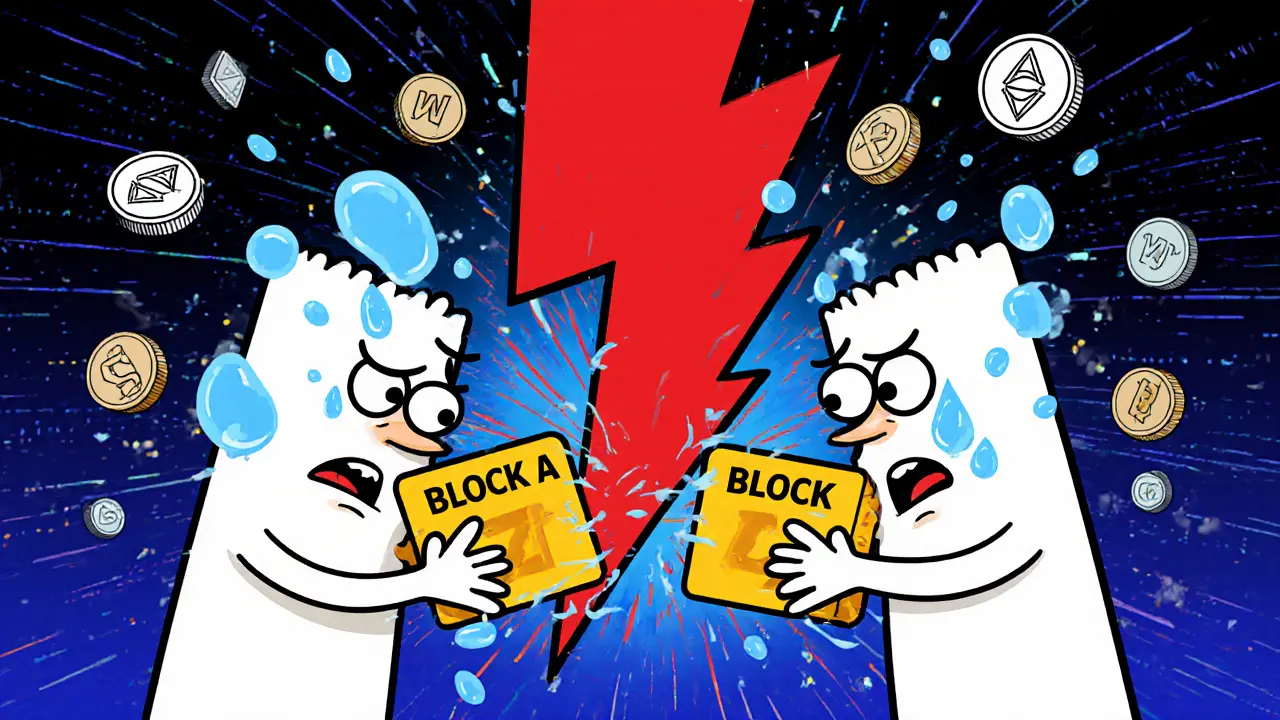
Learn the real reasons validators get slashed in proof-of-stake blockchains like Ethereum and Cosmos, how much you can lose, and how to avoid it with simple, practical steps.
View More
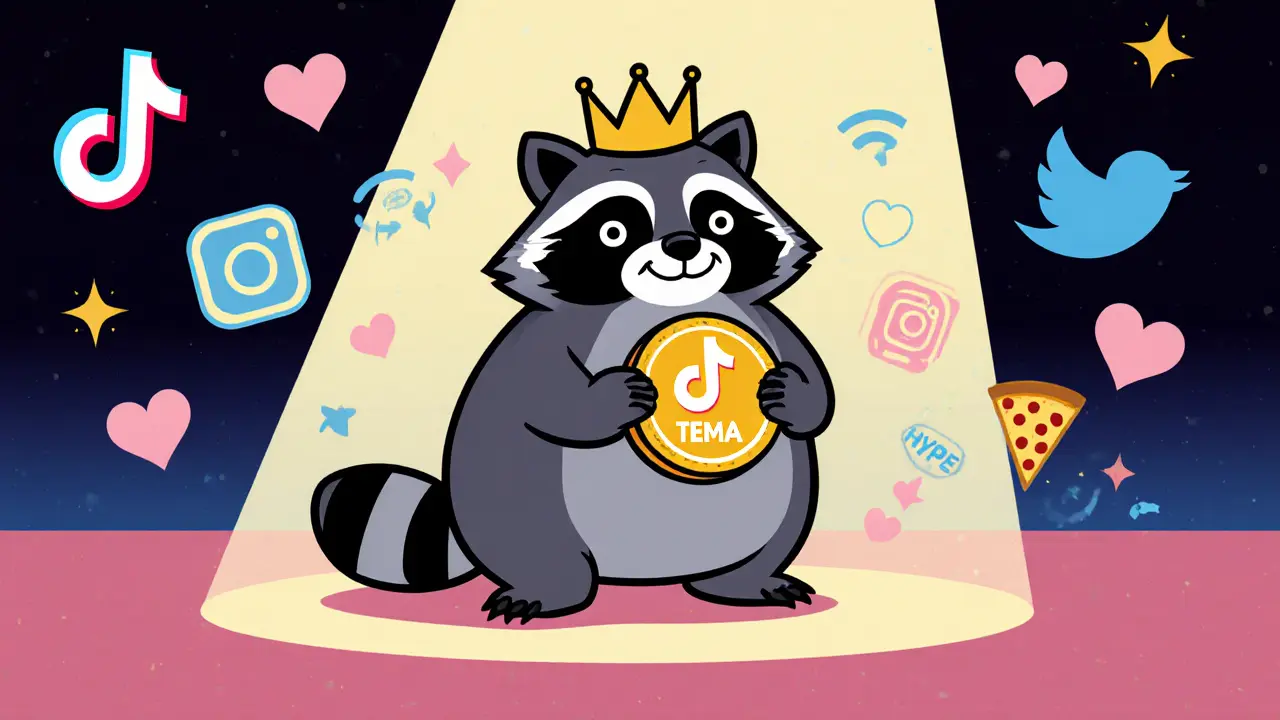
Tema (TEMA) is a Solana-based meme coin tied to a viral raccoon with millions of social media followers. No utility, no team - just hype. Here's what you need to know about its price, supply, and whether it's worth buying.
View More
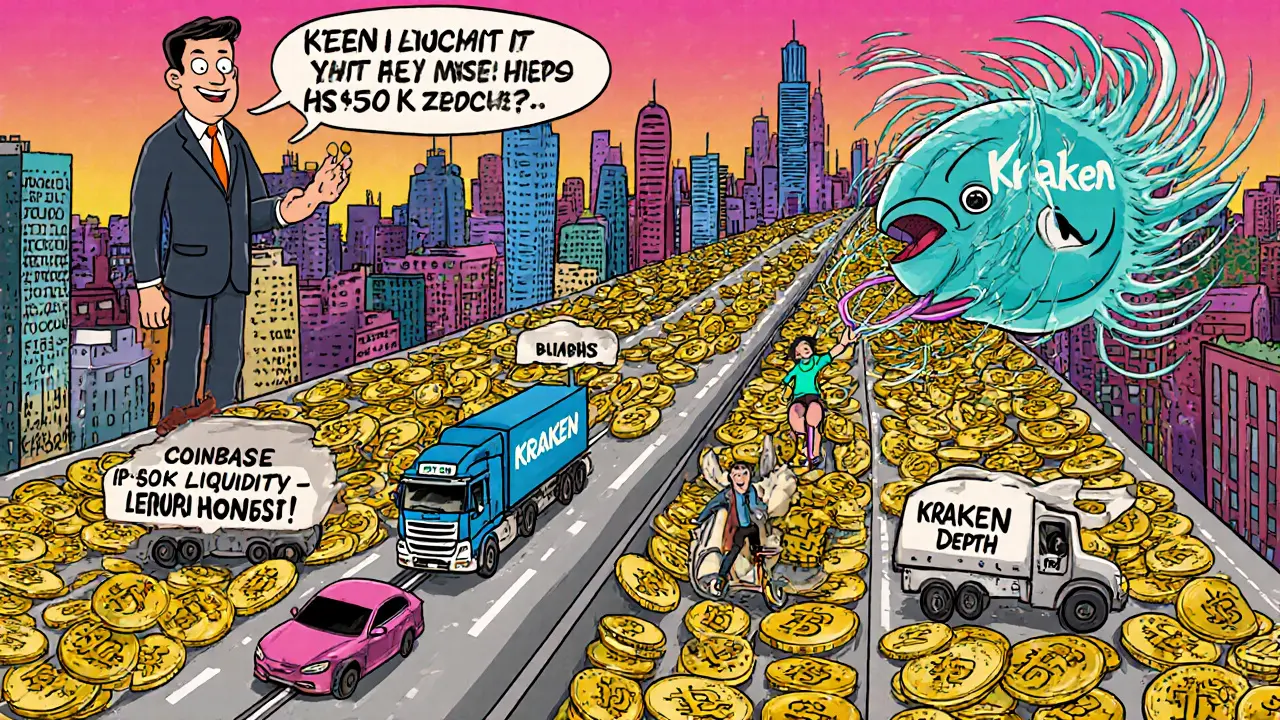
Discover which crypto exchange offers the deepest order books, lowest fees, and strongest security in 2025. Kraken leads in liquidity for professional traders, while Coinbase and Gemini cater to beginners and security-focused users.
View More
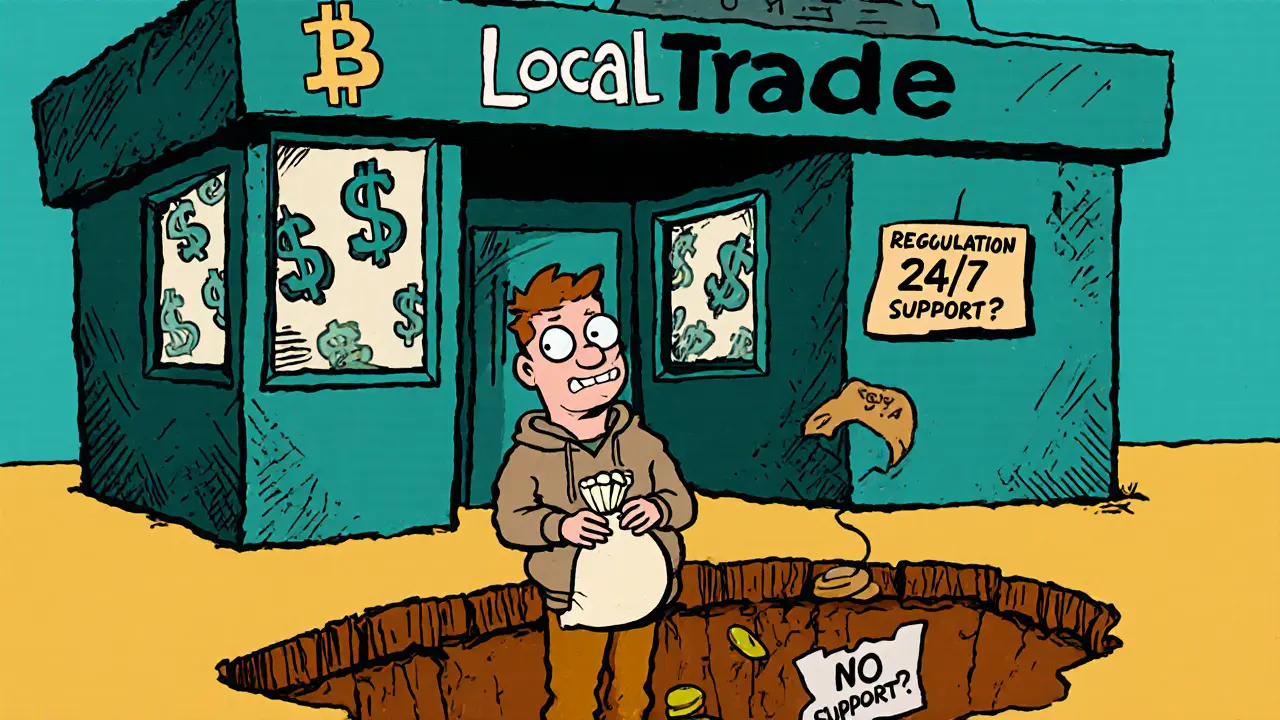
LocalTrade crypto exchange is unregulated, has fake trading volume, and is linked to scam recovery schemes. Avoid this platform - your funds are at serious risk.
View More
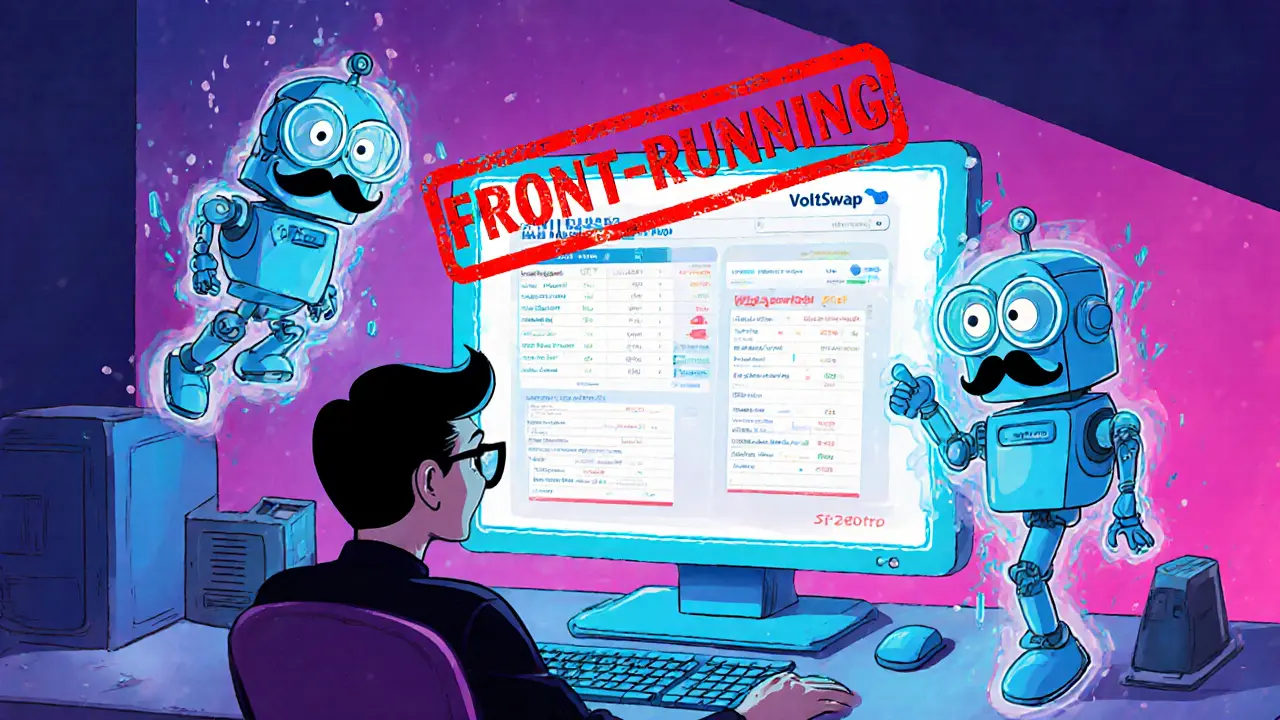
VoltSwap is a front-running resistant DEX on the Meter blockchain with low fees and single-sided VOLT staking. Though volume is tiny, its unique tech makes it worth exploring for privacy-focused traders tired of bot manipulation.
View More
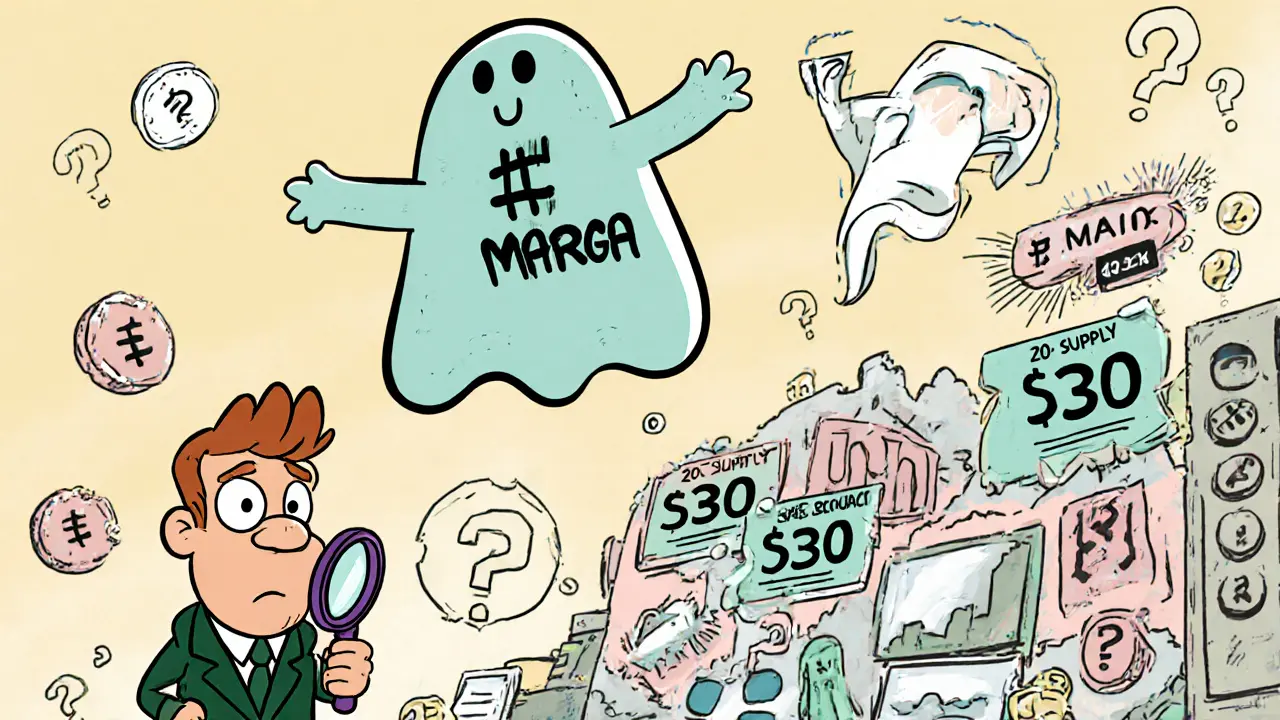
Margaritis (MARGA) is a crypto token with zero circulating supply, no team, and no real trading. Despite appearing on price trackers, it's not buyable, usable, or viable. Here's why it's a dead project.
View More