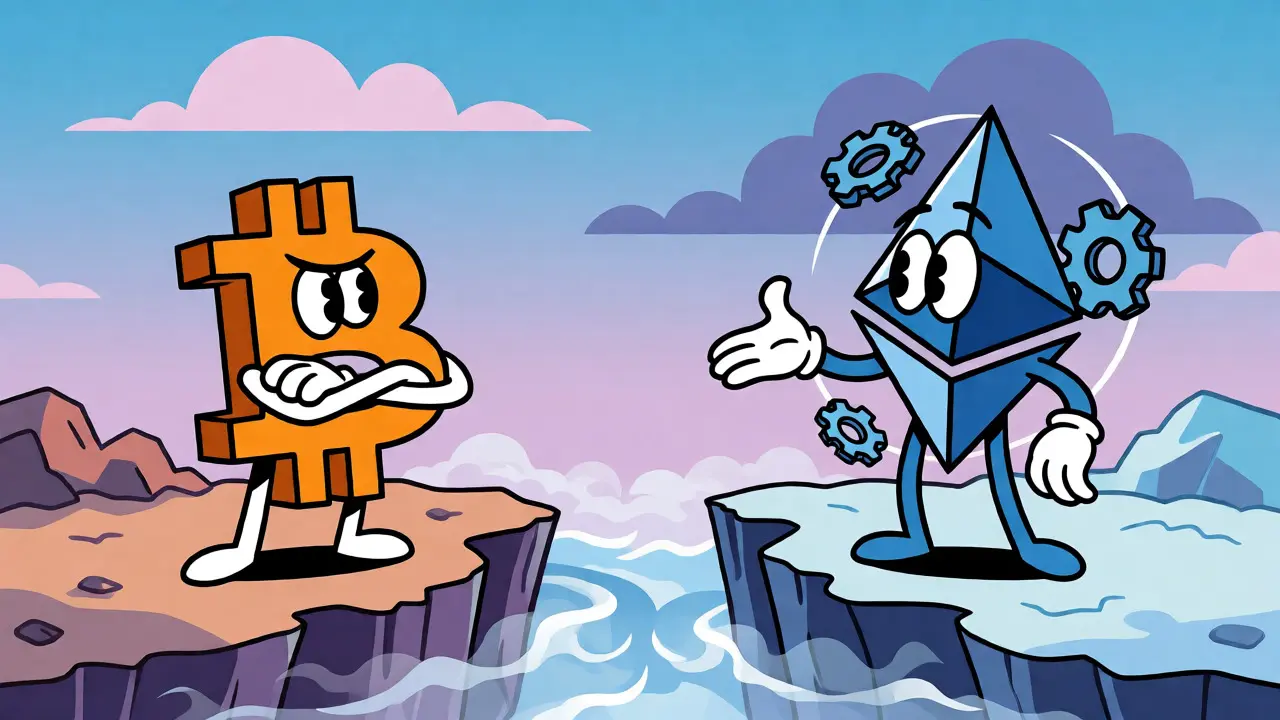
You hold Bitcoin. You want to lend it on Ethereum for yield. But Bitcoin lives on its own chain, speaking a different language than Ethereum’s smart contracts. They cannot talk directly. This fragmentation is the core problem of modern crypto. The solution? Wrapped Assets and bridge mechanisms that lock native coins in vaults and mint tokenized proxies on other networks. These tools let you use your BTC as if it were an ERC-20 token, unlocking massive liquidity across ecosystems.
The Core Problem: Blockchain Fragmentation
Blockchains are silos. Bitcoin secures value; Ethereum executes code. Neither natively understands the other. If you send Bitcoin to an Ethereum address, it vanishes into a black hole because Ethereum nodes don’t recognize Bitcoin’s UTXO model. To fix this, developers created wrapped tokens-digital receipts representing one asset on another chain. Think of it like exchanging dollars for casino chips. The dollar (BTC) sits safely in the cage (custodian), while you play with chips (WBTC) at the table (DeFi protocols). When you leave, you trade chips back for dollars. The value stays pegged 1:1, but utility expands dramatically.
How Wrapped Tokens Actually Work
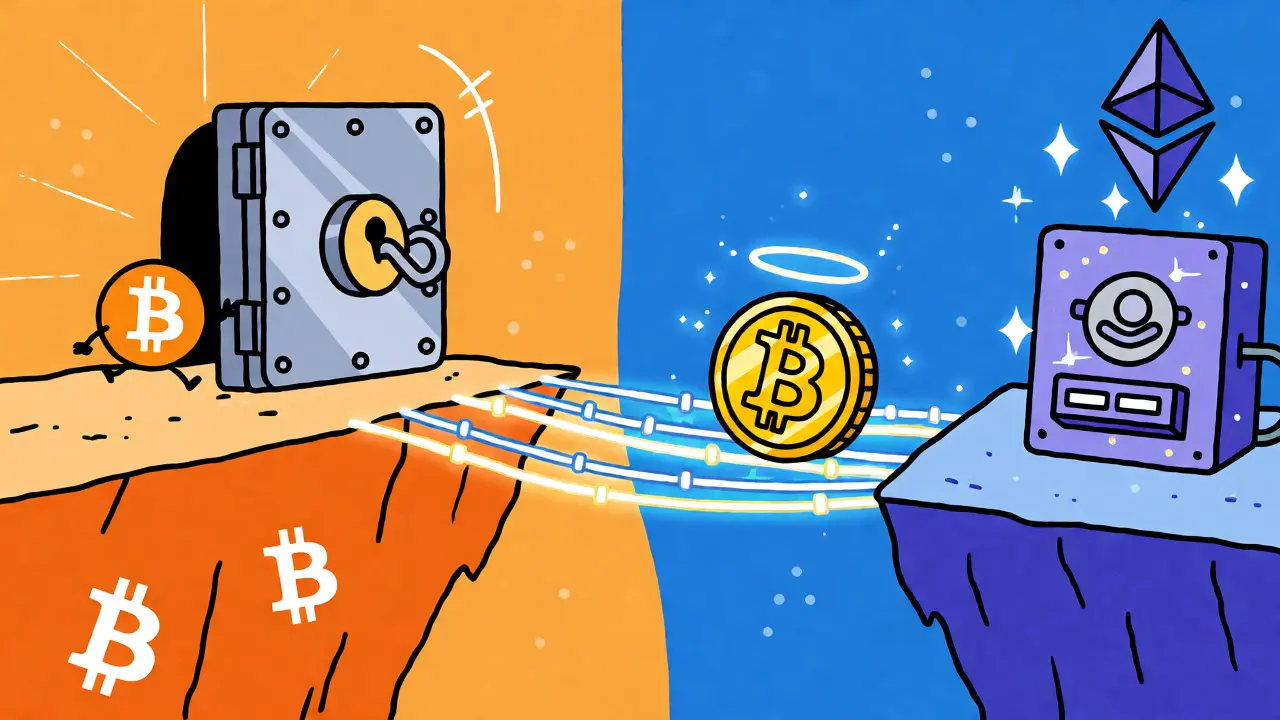
The mechanism follows a strict "lock-and-mint" cycle. It’s not magic; it’s engineering. Here is the step-by-step flow users encounter when bridging assets:
- Deposit: You send native BTC to a secure custodial address or smart contract reserve.
- Mint: Once confirmed, the issuer mints an equivalent amount of Wrapped Bitcoin (WBTC) on Ethereum.
- Use: You receive WBTC in your wallet. It behaves exactly like any other ERC-20 token, allowing you to swap, lend, or farm yield.
- Burn: When you want your original BTC back, you send the WBTC back to the bridge contract.
- Redeem: The bridge burns the WBTC and releases the locked BTC to your specified Bitcoin address.
This circular process ensures supply accountability. For every WBTC in circulation, there must be exactly one BTC sitting in a cold storage vault. If this ratio breaks, the peg fails, and trust evaporates.
Custodians vs. Trust-Minimized Bridges
Who holds the keys? That’s the million-dollar question. Traditional wrapped assets rely on centralized custodians. In the case of WBTC, a consortium of merchants and exchanges manages the reserves. They sign off on minting and burning. This creates a single point of failure. If the custodian gets hacked or acts maliciously, your wrapped tokens could become worthless IOUs.
Newer solutions aim to remove this human element. Trust-minimized bridges, such as those using Chainlink’s Cross-Chain Interoperability Protocol (CCIP), use decentralized oracle networks to verify transactions without relying on a single bank-like entity. Instead of trusting one company, you trust a network of independent validators. While not fully trustless yet, these systems significantly reduce counterparty risk compared to early custodial models.
| Feature | Custodial Wrapped Tokens | Trust-Minimized Bridges | Synthetic Assets |
|---|---|---|---|
| Backing Model | 1:1 Physical Reserve held by custodian | Collateral verified by decentralized oracles | No physical backing; price tracked via oracles |
| Primary Risk | Custodian insolvency or fraud | Oracle failure or bridge exploit | De-pegging due to collateral shortage |
| Example | WBTC, WETH | LayerZero, Wormhole (with verification) | sUSD, sBTC |
| Best For | High-volume institutional trading | Security-conscious retail users | Speculative exposure without ownership |
Why DeFi Needs Wrapped Assets
Without wrapped tokens, Decentralized Finance (DeFi) would be fragmented into isolated islands. Bitcoin holders couldn’t access Ethereum’s lending markets. Solana users couldn’t tap into Ethereum’s liquidity pools. Wrapped assets act as the universal adapter.
Consider WETH (Wrapped Ether). Even within Ethereum itself, ETH needs wrapping. Why? Because native ETH doesn’t follow the ERC-20 standard perfectly in all smart contract interactions. By converting ETH to WETH, it becomes compatible with every decentralized exchange (DEX) and lending protocol. This isn’t just about cross-chain movement; it’s about technical compatibility within a single chain.
The result is a liquidity explosion. Capital flows freely between chains. A user can stake SOL on Solana, bridge it to Ethereum as wSOL, provide liquidity in a Uniswap pool, and earn yield-all while maintaining exposure to the original asset’s price movements.
Security Risks and Exploits
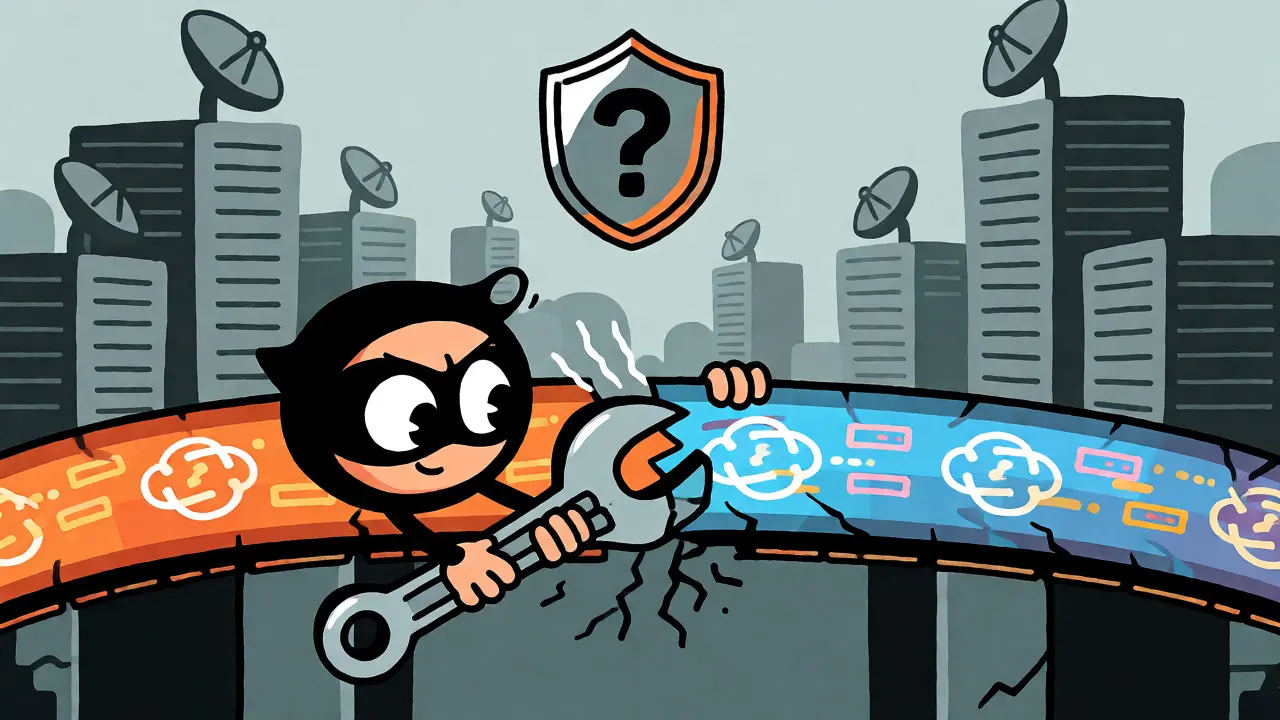
Bridges are the most attacked infrastructure in crypto. Since they hold billions in locked value, hackers target them relentlessly. The famous Ronin Bridge hack lost $624 million. The Wormhole bridge was exploited for $325 million. These incidents highlight a critical truth: security is only as strong as the weakest link in the verification process.
When evaluating a bridge, ask three questions:
- Who controls the private keys? Is it a multi-sig group, a DAO, or a centralized entity?
- Has the code been audited? Look for reports from firms like CertiK or Trail of Bits.
- Is there insurance? Some bridges offer coverage for losses up to a certain cap.
Never assume a high Total Value Locked (TVL) means safety. Sometimes, TVL grows faster than security audits keep up.
The Future: Layer 2s and Native Interoperability
As Layer 2 scaling solutions like Arbitrum and Optimism mature, the demand for efficient bridging increases. Users move funds from Ethereum Mainnet to L2s daily. Wrapped tokens facilitate this migration. However, the long-term goal is native interoperability, where chains communicate without intermediate wrappers. Protocols like Cosmos IBC (Inter-Blockchain Communication) attempt this, but wrapped tokens remain dominant due to their simplicity and deep integration with existing DeFi stacks.
Regulators are also watching. With custodial models comes compliance pressure. Expect stricter proof-of-reserves requirements and potential licensing for major bridge operators in the coming years. Transparency will become non-negotiable.
Frequently Asked Questions
What happens if a wrapped token loses its peg?
If a wrapped token trades significantly below its underlying asset (e.g., WBTC trades at 0.98 BTC), it indicates market distrust or liquidity issues. Arbitrageurs usually buy the discounted wrapped token and redeem it for full-value native coins, restoring the peg. If the gap persists, it may signal a solvency issue with the custodian.
Are wrapped tokens safe to hold long-term?
They carry additional risks compared to native assets. You face smart contract risk, custodian risk, and bridge risk. For long-term holding, many investors prefer keeping assets on their native chains unless actively participating in cross-chain DeFi strategies.
Can I convert WBTC back to BTC instantly?
Not always instantly. Redemption requires waiting for confirmations on both the destination chain (burning WBTC) and the source chain (releasing BTC). Depending on network congestion, this can take minutes to hours. Some platforms offer instant swaps for a fee, but direct redemption involves on-chain settlement times.
What is the difference between WETH and ETH?
WETH is an ERC-20 compliant version of ETH. Native ETH is used for gas fees and simple transfers. WETH is required for complex smart contract interactions, such as providing liquidity on DEXs or using certain lending protocols that expect standard token interfaces.
Do wrapped tokens pay dividends or staking rewards?
No. Holding a wrapped token itself does not generate yield. You must deposit the wrapped token into a DeFi protocol (like Aave or Compound) to earn interest. The wrapper is just a representation; the yield comes from the application layer.