
You see a JPEG of a pixelated ape selling for six figures. Your friend bought a cartoon cat for the price of a used car. You’re wondering: is this real money, or just a collective hallucination? The truth sits somewhere in the messy middle. Non-Fungible Tokens (NFTs) are unique digital assets that derive their worth from a mix of genuine utility, social status, and pure speculation. Unlike Bitcoin, where one coin is identical to another, an NFT is one-of-a-kind. This uniqueness is the foundation of its price, but it’s not the only thing driving the number you see on your screen.
The Core Drivers of NFT Worth
At its heart, value comes down to supply and demand, but with a digital twist. Digital scarcity is the primary engine here. In the physical world, if I print a million copies of a poster, they’re all equal. On the blockchain, creators can limit the supply to exactly 10,000 units. Once those are gone, no more exist. This artificial scarcity creates urgency. If 50,000 people want one of those 10,000 apes, the price skyrockets because there simply isn’t enough inventory to go around.
But scarcity alone doesn’t guarantee a high price. A limited edition PDF of a tax form might be rare, but nobody wants it. Demand is fueled by narrative and reputation. When a well-known artist like Beeple launches a collection, the market trusts the brand. Conversely, when a celebrity endorses a project, their fanbase often rushes in, creating a spike in demand that has little to do with the art itself. It’s about belonging to a club. Owning a specific NFT signals membership in a community, whether that’s crypto-enthusiasts, gamers, or high-net-worth collectors.
Understanding Floor Prices and Market Sentiment
If you look at any major marketplace like OpenSea or Blur, you’ll see a metric called the Floor Price. This is the lowest listing price for any single item in a specific collection. Think of it as the minimum entry ticket. If the Bored Ape Yacht Club floor is 15 ETH, that means the cheapest ape you can buy right now costs 15 Ethereum.
Floor prices are volatile and act as a barometer for market health. When the floor rises, it usually means sellers are holding out for higher bids, expecting the value to climb further. When the floor drops, it’s often a sign of panic or profit-taking. Traders watch these movements closely. A consistent drop in floor price across a popular collection suggests waning interest, while a sudden spike might indicate a new partnership or hype cycle kicking in.
It’s crucial to understand that the floor price doesn’t reflect the average sale price. Rare traits within a collection-like golden fur or laser eyes-can sell for ten times the floor. So, while the floor gives you a baseline, individual asset pricing depends heavily on rarity tiers defined by the smart contract.
Utility: More Than Just Pretty Pictures
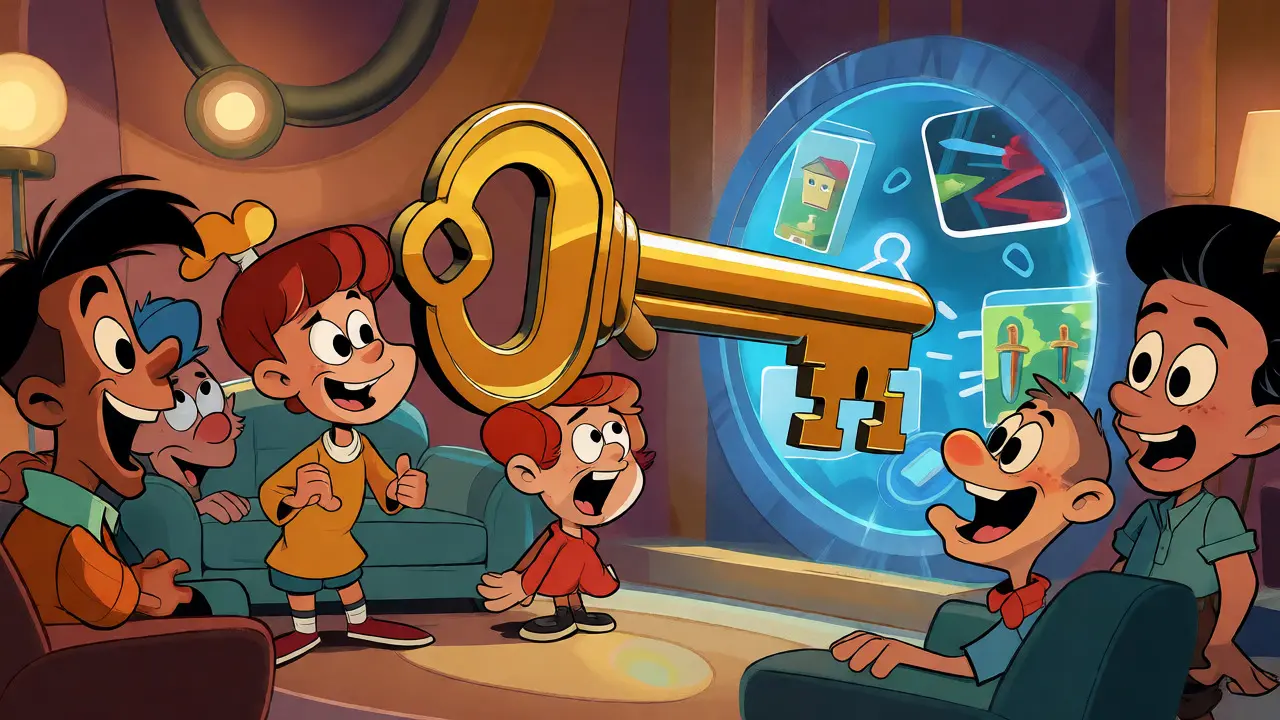
Early NFTs were mostly static images. Today, the most resilient projects offer Utility, which refers to tangible benefits attached to ownership. Why pay $10,000 for a picture of a monkey? Because that monkey gets you access to a private Discord channel, exclusive merchandise, or even a physical party. Utility transforms an NFT from a passive collectible into a functional key.
Consider virtual real estate in platforms like Decentraland or The Sandbox. These aren’t just pictures; they are plots of land where owners can build experiences, host events, or rent space to brands. The value here is tied to location and development potential, much like real-world property. Similarly, gaming NFTs allow players to truly own in-game items. If you spend fifty hours grinding for a sword in a Web3 game, you can sell that sword on an open market. That ability to cash out adds intrinsic value that traditional games lack.
| Value Driver | Description | Impact on Price |
|---|---|---|
| Digital Scarcity | Limited supply minted on-chain | High: Creates basic economic pressure for price appreciation |
| Creator Reputation | Track record of the artist or team | Medium-High: Reduces perceived risk for buyers |
| Community Strength | Active engagement on social media/Discord | High: Drives network effects and retention |
| Utility/Access | Real-world perks, gaming assets, or governance rights | Variable: Can sustain value during market downturns |
| Rarity Traits | Unique visual attributes within a collection | Specific: Only affects individual items, not the whole floor |
The Role of Liquidity and Trading Volume
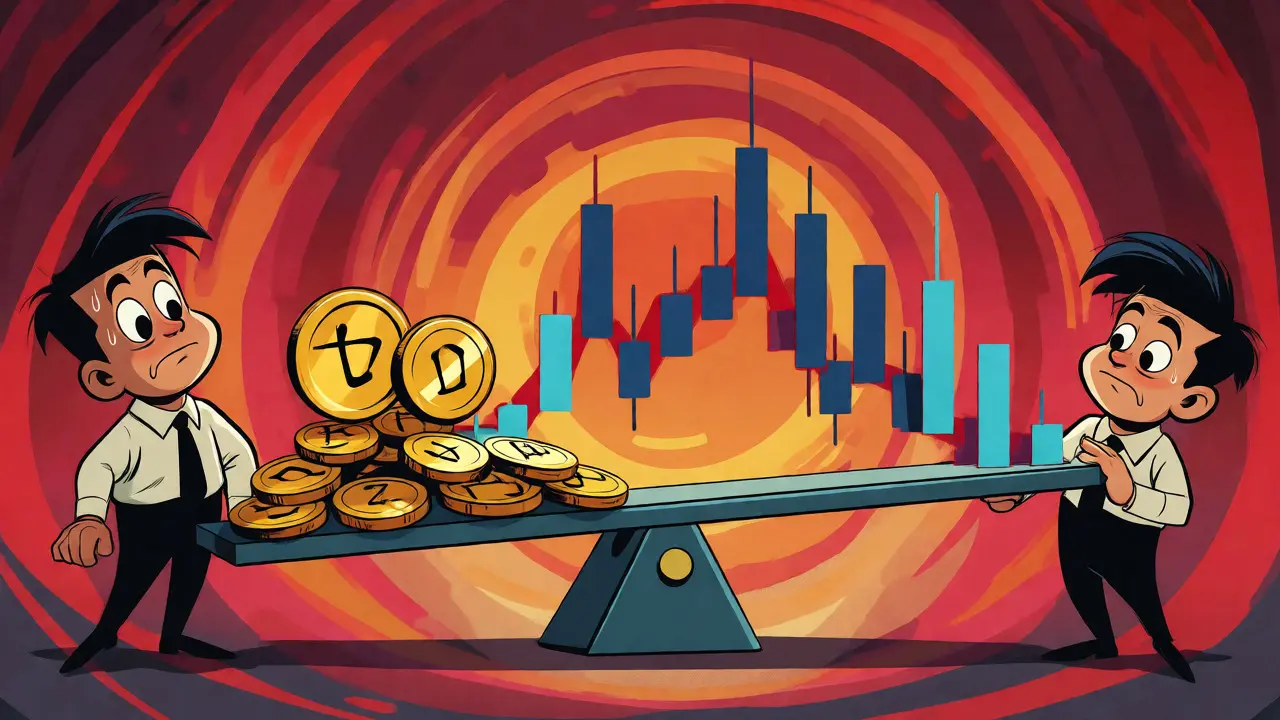
A study from ETH Zurich analyzed thousands of NFT transactions and found something counterintuitive: social media buzz doesn’t always predict price increases. In fact, extreme spikes in Twitter mentions sometimes preceded price corrections. What did correlate strongly with stable pricing was trading volume and liquidity. High liquidity means there are plenty of buyers and sellers, making it easy to enter or exit a position without crashing the price.
Collections with low trading volume are risky. You might hold an asset valued at 5 ETH on paper, but if nobody is buying, you can’t realize that value. Smart investors look for collections with consistent daily sales activity. This indicates a healthy ecosystem where the price is being tested constantly by real market participants, rather than being propped up by a few whales.
Technical Factors: Gas Fees and Royalties
Pricing isn’t just about what people are willing to pay; it’s also about what it costs to trade. On Ethereum, gas fees (transaction costs) can significantly impact the net proceeds for sellers. During periods of network congestion, a $50 fee on a $500 NFT sale eats into margins. This pushes some traders to Layer 2 solutions like Polygon or alternative chains like Solana, where fees are negligible. The choice of blockchain affects accessibility, which in turn influences demand.
Smart contracts also embed royalty mechanisms. Most NFTs include a clause where the creator receives a percentage (often 5-10%) of every secondary sale. This incentivizes creators to keep promoting their work long after the initial mint. However, recent regulatory scrutiny and platform changes have made enforcing these royalties tricky, adding a layer of uncertainty to long-term value projections.
How to Evaluate an NFT’s Price Potential
If you’re looking to buy or sell, don’t just look at the floor price. Dig deeper. Check the holder distribution. If the top 10 wallets hold 50% of the supply, the market is manipulated and fragile. Look for broad ownership. Next, assess the roadmap. Did the team deliver on their promises? Broken roadmaps kill value faster than bad art.
Finally, consider the macro environment. NFTs are highly correlated with the broader crypto market, specifically Bitcoin and Ethereum. When BTC dips, NFT floors usually follow suit because liquidity dries up. Understanding this correlation helps you time your entries better. It’s not just about picking the right project; it’s about picking the right moment in the cycle.
What determines the starting price of a new NFT?
The initial price, or mint price, is set by the creator based on their target audience, expected demand, and production costs. Popular creators often use dynamic pricing models where the cost increases with each batch sold to capture early adopter enthusiasm.
Can an NFT lose all its value?
Yes. If a project fails to deliver utility, loses community support, or becomes irrelevant, its floor price can drop to near zero. Unlike stocks, there is no underlying company revenue to anchor the valuation, so sentiment drives everything.
Do celebrities really drive NFT prices up?
Initially, yes. Celebrity endorsements create immediate visibility and FOMO. However, academic research suggests that sustained value relies more on community engagement and utility than on transient celebrity hype, which often fades quickly.
Is the floor price the same as the market cap?
No. The floor price is the cost of the cheapest single item. Market cap is calculated by multiplying the floor price by the total supply. However, this calculation is flawed for NFTs because it assumes all items are equally liquid and valuable, which is rarely true due to rarity differences.
How do gas fees affect NFT pricing?
High gas fees increase the total cost of acquiring an NFT, which can suppress demand for lower-priced items. Sellers may also list at higher prices to cover their transaction costs, indirectly inflating the perceived market value.