Wrapped Cryptocurrency: What It Is, Why It Matters, and What You Need to Know
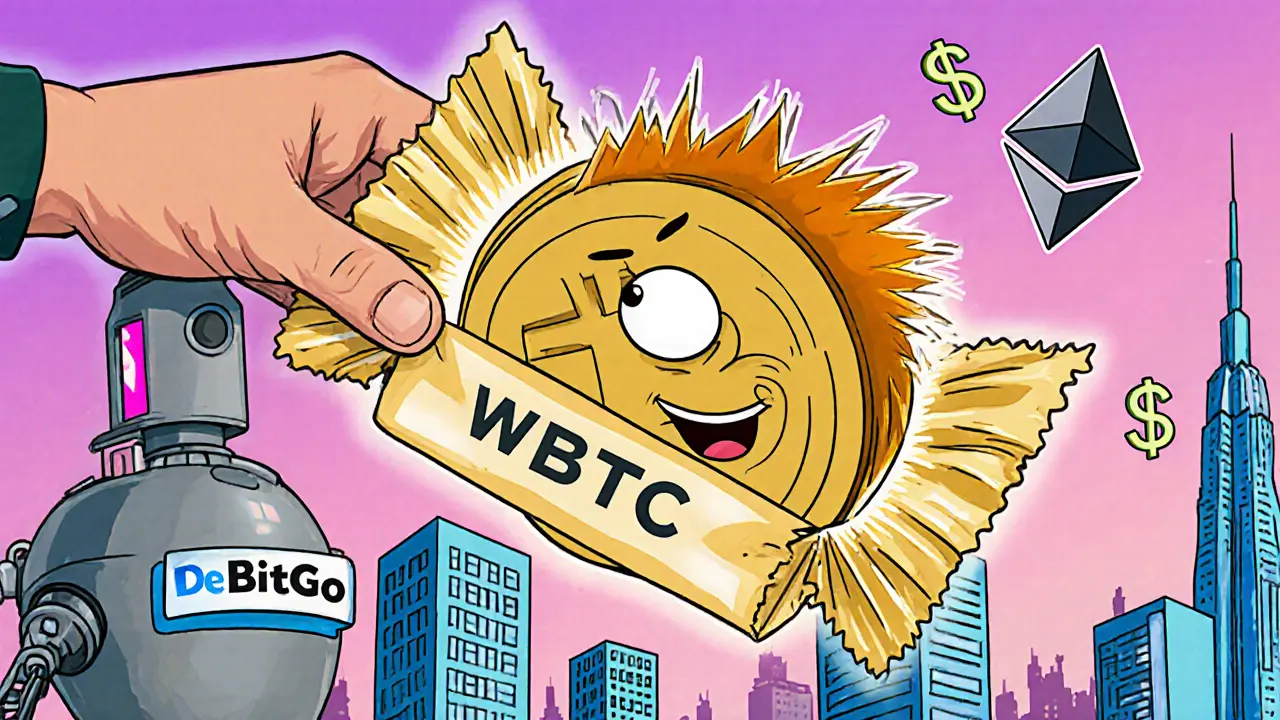
When you hear wrapped cryptocurrency, a tokenized version of a cryptocurrency that works on a different blockchain. Also known as wrapped tokens, it lets you take Bitcoin, for example, and use it on Ethereum like it was native ETH. This isn’t magic—it’s engineering. You lock your real BTC in a vault, and in return, you get wBTC, a token that acts like BTC but runs on Ethereum. Same value, same rules, just a different address. It’s how DeFi got its legs.
Without wrapped tokens, you’d be stuck. Bitcoin can’t talk to Uniswap. Ethereum can’t use Bitcoin’s security. But with wETH, wrapped Ether, the standard wrapped token for Ethereum-based DeFi, you can stake, lend, or trade ETH without leaving the chain. Same with wBTC, the most widely used wrapped Bitcoin token, backed 1:1 by real Bitcoin held in custody. These aren’t just convenience tools—they’re the glue holding together multi-chain DeFi. And they’re everywhere: liquidity pools, lending platforms, yield farms. If you’re using DeFi, you’ve probably touched a wrapped token without even knowing it.
But here’s the catch: wrapped tokens rely on trust. Someone has to hold the real asset. For wBTC, it’s a group of custodians including BitGo. For other wrapped coins, it might be a smart contract or a centralized team. If that team gets hacked, goes rogue, or just disappears, your wrapped token turns into digital dust. That’s why you see so many posts here about scams, dead projects, and shady exchanges. People forget: wrapping doesn’t make something safer. It just moves it. And if the original asset isn’t real—or the wrapper isn’t audited—you’re holding a ghost.
That’s why the posts below cover everything from fake airdrops to zero-supply tokens and unregulated exchanges. They’re all connected. Wrapped tokens opened the door to DeFi’s explosion. But they also opened the door to fraudsters who mimic them. You need to know the difference between a real wBTC and a fake token pretending to be one. Between a legitimate bridge and a honeypot. Between a token that’s backed and one that’s just code with no assets behind it.
What you’ll find here isn’t theory. It’s real cases. Projects that vanished. Platforms that lied. Tokens with no supply, no team, no future. And yes—some legit tools and insights too. You’ll learn how to spot the difference, how to protect your funds, and why wrapping isn’t just a technical trick—it’s a trust test. And in crypto, the ones who trust too easily lose the most.
Learn how wrapping and unwrapping cryptocurrency works to move assets like Bitcoin into Ethereum DeFi. Understand WBTC, wETH, risks, taxes, and how to do it safely.
View More