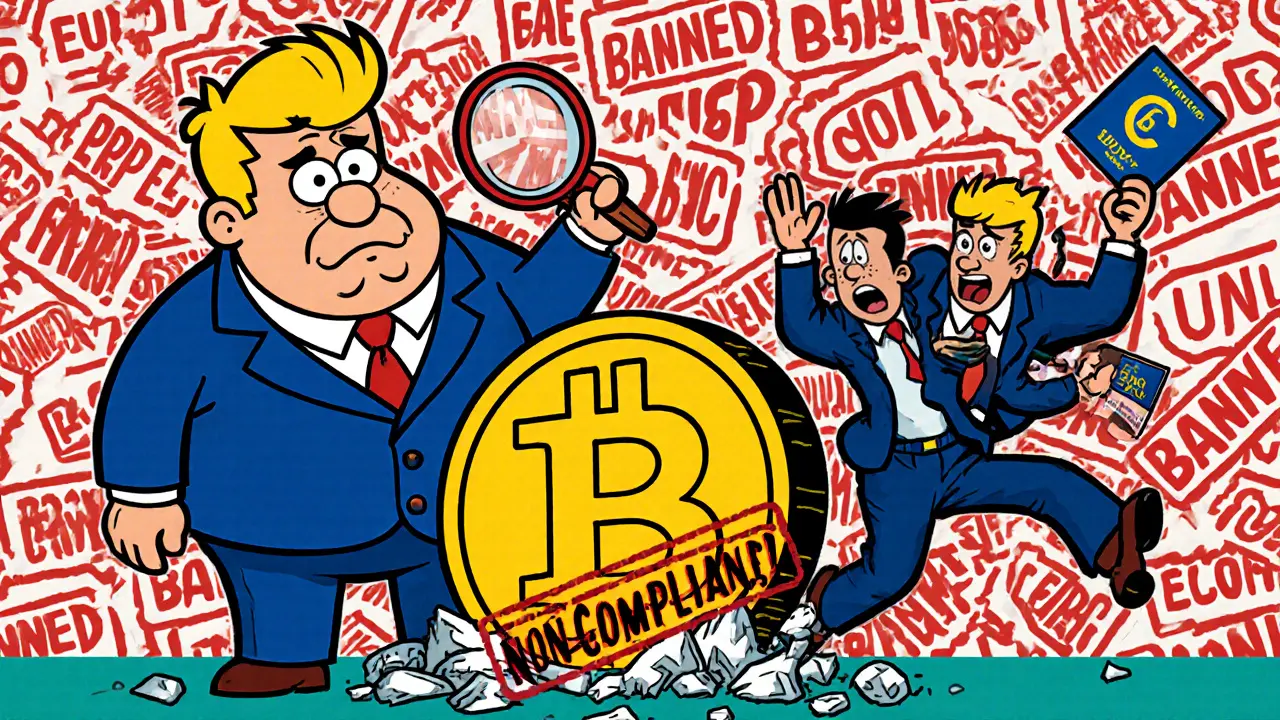
USDT Compliance: What It Means for Crypto Users and Exchanges
When you trade USDT, Tether’s dominant stablecoin pegged to the U.S. dollar. Also known as Tether USD, it’s the most traded crypto asset on earth—used for trading, saving, and moving value across borders. But behind every USDT transaction is a web of rules called USDT compliance, the set of legal and operational standards Tether enforces to keep its token usable on regulated platforms. Without it, exchanges freeze withdrawals, wallets get blacklisted, and your trades stall.
USDT compliance isn’t optional—it’s mandatory for any exchange that wants to stay open. That’s why platforms like Coinbase and Kraken require full KYC, identity verification that links your real name to your crypto wallet before letting you deposit or withdraw USDT. It’s also why Tether works closely with AML, anti-money laundering systems that track suspicious transfers and reports to financial regulators. When a user sends USDT from a wallet tied to a scam or darknet market, Tether can freeze those funds. That’s not censorship—it’s what keeps USDT trusted by banks and institutions. If you’ve ever been blocked from cashing out USDT, it’s likely because your wallet or transaction triggered one of these compliance flags.
USDT compliance doesn’t just affect big exchanges. It shapes everything from airdrops to DeFi apps. Projects that accept USDT must follow the same rules—even if they’re small. That’s why some platforms avoid USDT entirely and use alternatives like USDC, which has clearer public compliance reporting. But USDT’s liquidity is too big to ignore. So instead of quitting, most platforms build internal checks: they monitor transaction patterns, flag high-risk addresses, and require extra documentation for large transfers. This is why you might see a 24-hour hold on your USDT withdrawal even after KYC is done. It’s not a glitch—it’s compliance in action.
And it’s getting stricter. With new laws like the U.S. Investment and Securities Act 2025 and Vietnam’s Directive 05/CT-TTg, stablecoins are now under the same regulatory lens as banks. Exchanges that ignore USDT compliance risk fines, shutdowns, or criminal charges. That’s why you’ll see more platforms requiring proof of source of funds, limiting transfers from privacy coins, and cutting ties with unregulated services like LocalTrade or Decoin. The days of anonymous USDT trading are over. If you want to use USDT without hassle, the path is simple: use verified exchanges, complete KYC, and avoid shady wallets. The system isn’t perfect—but it’s the only way USDT stays alive.
Below, you’ll find real reviews and breakdowns of platforms that got it right—or dangerously wrong—when it comes to USDT compliance, KYC, and AML. No fluff. Just what happened, why it matters, and how to protect yourself.
USDT is banned in the EU under MiCA regulation as of July 1, 2025. Learn why Tether failed compliance, how exchanges reacted, and which stablecoins are now legal alternatives for European users.
View More