Tether Delisting: Why USDT Is Being Removed from Exchanges and What It Means for You
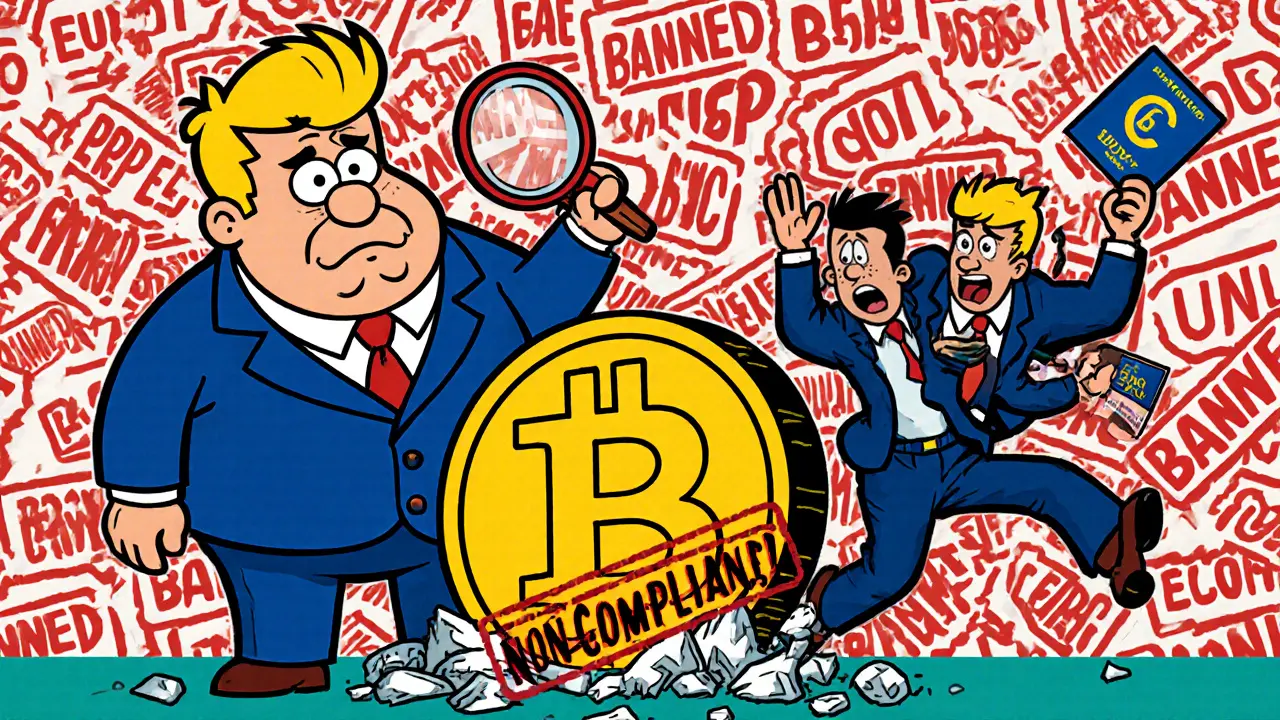
When you hear Tether delisting, the removal of the USDT stablecoin from major crypto exchanges due to regulatory concerns. Also known as USDT delisting, it’s not just a technical change—it’s a sign that regulators are finally closing in on the biggest unregulated player in crypto. Tether, the company behind USDT, has spent years claiming its tokens are fully backed by cash and equivalents. But audits have been vague, reserves have been murky, and now exchanges from Europe to Asia are pulling the plug. Why? Because regulators like the FATF and SEC see USDT as a systemic risk—one that enables money laundering, sanctions evasion, and market manipulation without accountability.
This isn’t about fear. It’s about stablecoin regulation, government rules that demand transparency, auditability, and legal compliance for digital assets tied to fiat currencies. The EU’s MiCA law, the U.S.’s proposed Stablecoin Transparency Act, and even Japan’s financial watchdogs now require stablecoins to prove they hold real reserves and report transactions. Tether has failed every real test. Meanwhile, other stablecoins like USDC—backed by Circle, audited monthly, and regulated under U.S. law—are being adopted by exchanges that are cleaning house. The shift isn’t random. It’s a purge. Exchanges that keep listing USDT risk fines, license revocation, or worse. That’s why you’re seeing more delistings in 2025 than ever before.
What does this mean for you? If you’re holding USDT, you’re not just holding a stablecoin—you’re holding a legal liability. Many exchanges are freezing USDT deposits, blocking withdrawals, or outright removing trading pairs. Even if your exchange still lists it, the liquidity is drying up. Spreads are widening. Slippage is growing. And if Tether ever gets frozen by regulators, USDT could lose its peg overnight. The real winners? Projects building transparent, compliant alternatives. The losers? Anyone who treated USDT like cash instead of a high-risk asset.
You’ll find posts here that dig into the real stories behind these delistings—like how Monero and Zcash were removed for privacy reasons, and how the same regulatory logic now targets Tether. You’ll see how KYC rules, SAR filings, and capital requirements are forcing exchanges to choose sides. And you’ll learn which stablecoins are actually safe to hold today—not because they’re popular, but because they’re accountable.
USDT is banned in the EU under MiCA regulation as of July 1, 2025. Learn why Tether failed compliance, how exchanges reacted, and which stablecoins are now legal alternatives for European users.
View More