Slashing in Blockchain: What It Is, Why It Matters, and How It Protects Networks
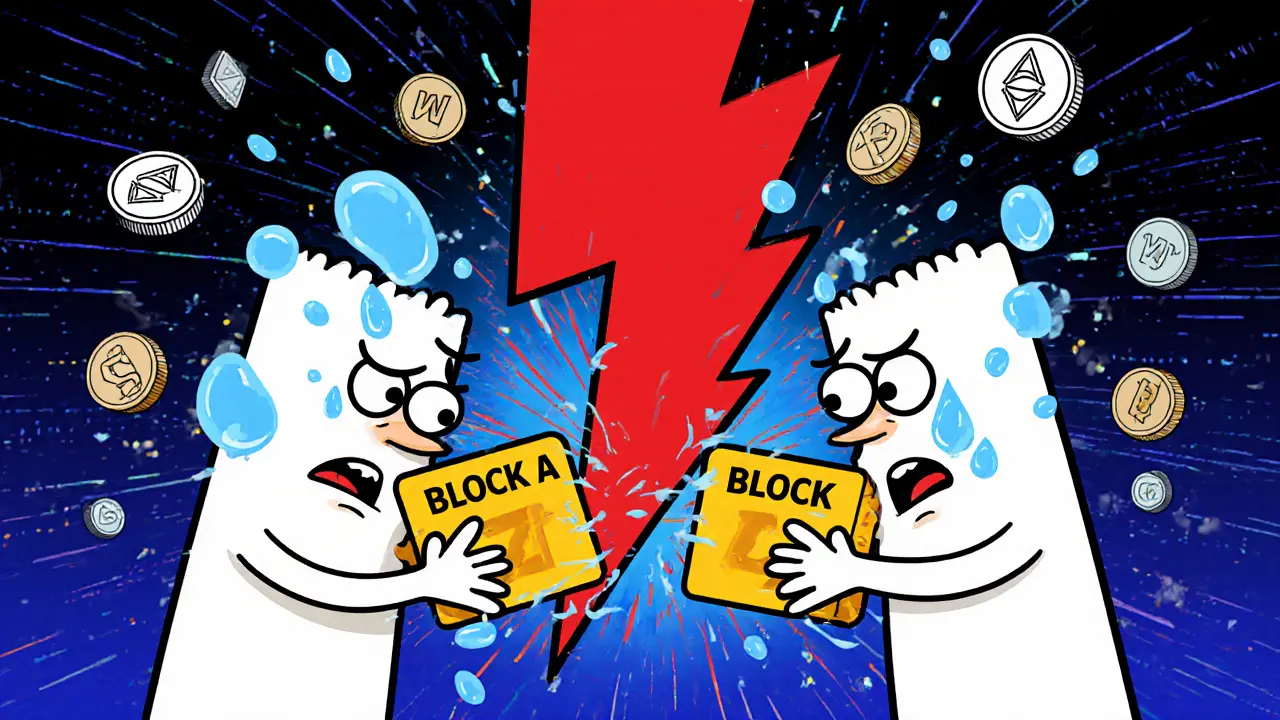
When you stake crypto to help secure a blockchain, you’re trusting your coins to keep the network honest. But if you break the rules—like going offline too long or signing two conflicting blocks—you can lose part or all of your stake. This punishment is called slashing in blockchain, a penalty system in proof-of-stake networks that removes crypto from validators who act maliciously or negligently. It’s not a bug—it’s the whole point. Without slashing, anyone could run a validator node, go inactive, or even try to cheat the system with no consequences. Slashing makes dishonest behavior expensive, which is why networks like Ethereum, Polygon, and Solana rely on it to stay secure.
Slashing doesn’t just target hackers. Even honest users can get slashed if their hardware fails, their internet drops, or they misconfigure their node. That’s why running a validator isn’t just about owning crypto—it’s about reliability. Think of it like being a traffic cop: if you show up late every day, you lose your badge. Validators are the same. Networks track their uptime, signature accuracy, and behavior. If they slip below the threshold, the protocol automatically cuts their stake. This keeps the network running smoothly and discourages centralization—because if one big staker gets slashed, others step in.
Related to slashing are proof of stake, the consensus mechanism where validators are chosen based on how much crypto they lock up and staking penalties, the specific rules that determine how much crypto is lost and under what conditions. These aren’t abstract ideas—they’re coded into the blockchain. For example, Ethereum slashes up to 100% of a validator’s stake if they double-sign, while smaller networks might only take 1-5%. Some platforms even let you insure against slashing, though that’s rare. What’s clear is this: if you’re staking, you’re signing up for accountability.
You’ll see this come up in posts about failed validators, exchange staking risks, and why some crypto projects warn users not to stake through third parties. That’s because when you stake through an exchange, you’re giving up control—and if the exchange gets slashed for misbehavior, you lose too. The same goes for poorly maintained wallets or outdated software. Slashing isn’t just a technical feature; it’s a reminder that blockchain security is a shared responsibility.
Below, you’ll find real-world examples of what happens when slashing kicks in—whether it’s a validator going dark, a scam project pretending to offer safe staking, or a network changing its rules overnight. These aren’t theoretical cases. They’re the consequences real users faced. If you’re staking now, or thinking about it, this collection will show you exactly what’s at stake.
Learn the real reasons validators get slashed in proof-of-stake blockchains like Ethereum and Cosmos, how much you can lose, and how to avoid it with simple, practical steps.
View More