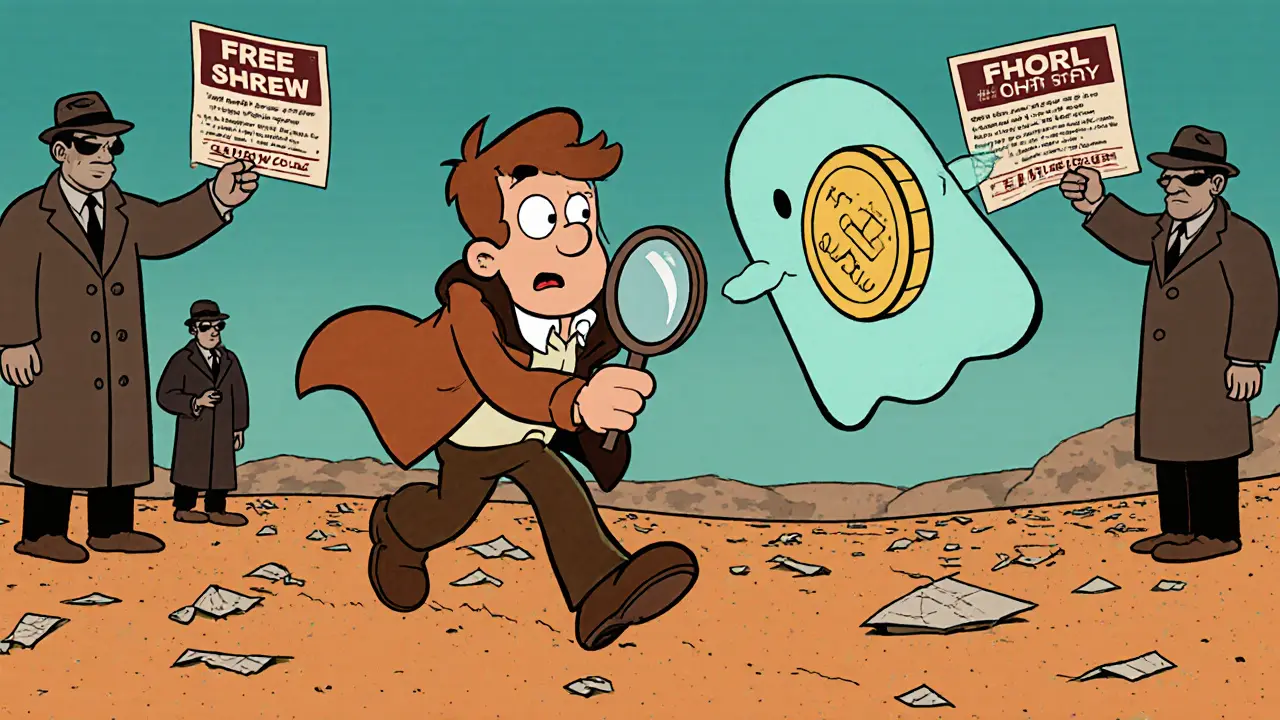
SHREW Airdrop: What It Is, Why It Matters, and How to Avoid Scams
When you hear about a SHREW airdrop, a free token distribution tied to a new or revived blockchain project. Also known as free crypto giveaway, it’s often the first thing users see when a project tries to build buzz. But here’s the truth: most airdrops labeled as SHREW are fake. There’s no verified SHREW token on major blockchains like Ethereum, Solana, or BSC. No team, no whitepaper, no contract address. Just social media posts and Telegram groups pushing you to connect your wallet — a red flag that screams scam.
Real airdrops don’t ask for your private key. They don’t require you to send crypto first. And they definitely don’t promise instant riches from a name that sounds like a rodent. The crypto airdrop, a marketing tactic used by decentralized projects to distribute tokens to early adopters. Also known as token distribution event, it’s meant to grow a community, not drain wallets. Legit airdrops like AdEx Network’s ADX drop in 2021 or Metahero’s HERO drop in 2025 had clear rules, public timelines, and verifiable participation methods. They didn’t hide behind vague promises or fake websites. Meanwhile, the SHREW token, a non-existent digital asset falsely promoted as part of an airdrop campaign. Also known as phantom crypto, it has no blockchain presence, no exchange listings, and no utility. It’s a ghost project — a digital mirage designed to trick people into clicking phishing links or downloading malware.
Scammers love airdrop hype because people are hungry for free crypto. They copy names from real projects, tweak them slightly, and flood Twitter and Discord with bots. You’ll see posts claiming "SHREW is live on Binance" or "Claim your 500 SHREW before it’s gone" — all lies. Even worse, some sites pretend to be wallet interfaces to steal your seed phrase. The airdrop scams, fraudulent schemes that impersonate legitimate token distributions to steal user funds or data. Also known as crypto phishing, they’ve cost millions in losses since 2021. The only way to stay safe is to check official sources: the project’s website (not a link in a DM), their GitHub, or their verified Twitter. If you can’t find a contract address or a team behind it, walk away.
What you’ll find below isn’t a guide to claiming SHREW — because there’s nothing to claim. Instead, you’ll see real examples of how airdrops work, how they fail, and how to tell the difference between a legitimate opportunity and a trap. From the abandoned Carrieverse CVTX token to the fake LEOS New Year event, these posts show you the patterns scammers reuse. You’ll learn what to look for, what to ignore, and how to protect your wallet before you even think about clicking "Claim Now."
SHREW was never an airdrop - it was a failed ICO with no real product. No free tokens were ever given out. Today, any claim of a SHREW airdrop is a scam. Learn why the project died and what to do instead.
View More