SEC Nigeria crypto: What You Need to Know About Crypto Regulation in Nigeria
When it comes to SEC Nigeria crypto, the Nigerian Securities and Exchange Commission’s official stance on digital assets. Also known as Nigeria crypto regulation, it’s the single biggest factor deciding whether your crypto trades are legal or risky. Unlike countries that embrace crypto with clear rules, Nigeria’s approach has been a mix of warnings, crackdowns, and quiet policy shifts. The SEC doesn’t ban crypto outright—but it doesn’t protect you either. If you’re buying, selling, or holding crypto in Nigeria, you’re operating in a gray zone where the rules change faster than prices.
The SEC Nigeria, the government body responsible for overseeing securities and financial markets in Nigeria has repeatedly warned investors about scams, unregistered exchanges, and fake token launches. In 2021, it banned financial institutions from processing crypto transactions, forcing users to rely on peer-to-peer platforms. Since then, the Nigeria crypto regulation, the evolving legal framework governing digital asset trading in Nigeria has tightened. Exchanges like Binance and Luno had to pull back or restructure. Meanwhile, local platforms that don’t follow KYC or AML rules—like some of the shady ones in our post list—are still popping up, promising high returns but leaving users with nothing when they vanish.
What’s clear? If you’re using crypto in Nigeria, you’re doing it at your own risk. There’s no legal recourse if an exchange disappears. No insurance. No recovery. The SEC doesn’t offer protection—it only issues alerts. And while the Central Bank of Nigeria pushes for a digital naira, it still treats Bitcoin and Ethereum like gambling chips, not assets. That’s why so many Nigerian traders stick to P2P platforms like Paxful or LocalBitcoins, avoiding banks entirely. It’s not about freedom—it’s about survival.
Below, you’ll find real reviews of crypto platforms that either got shut down, flagged as scams, or operated without any oversight. Some were linked to fake airdrops. Others had zero transparency. Every post here is a warning sign you can’t afford to ignore. If you’re trying to trade crypto in Nigeria, this isn’t just information—it’s your first line of defense.
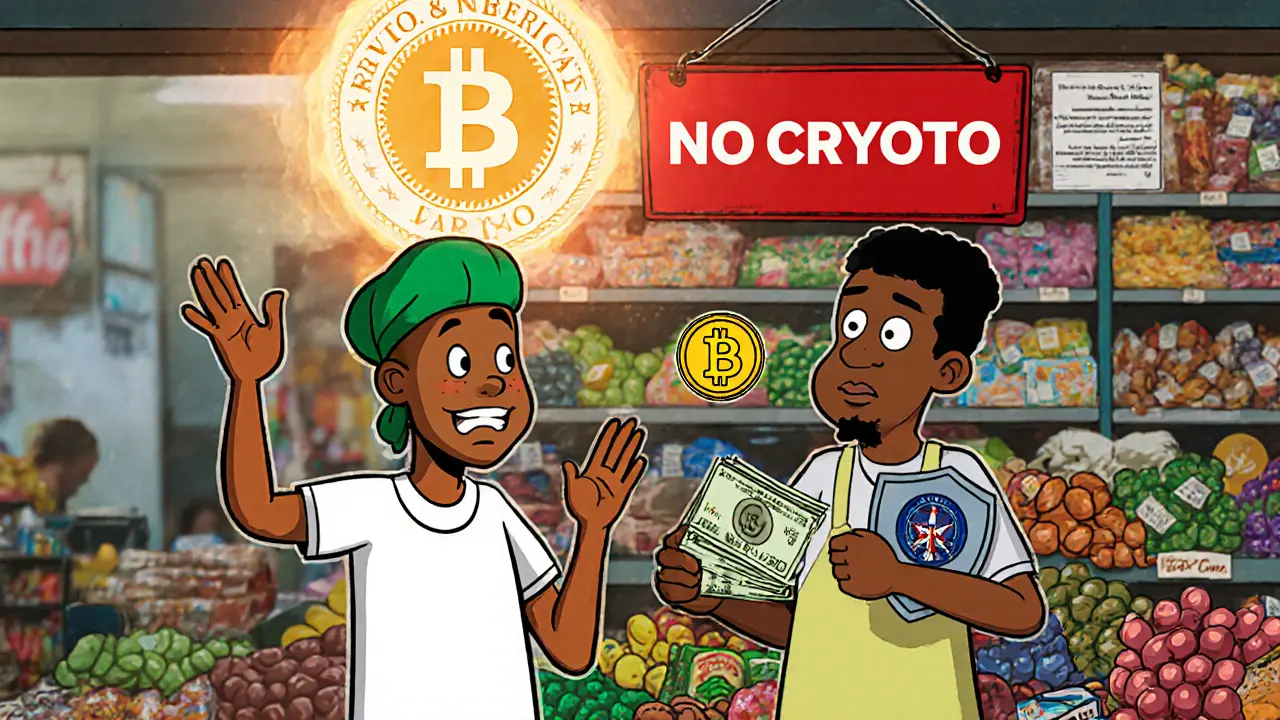
In 2025, Nigerian businesses can't legally accept crypto as direct payment. Only SEC-licensed VASPs can handle crypto transactions. Learn how to use approved platforms to accept crypto payments safely and legally.
View More