PoS Slashing: What It Is and Why It Matters for Blockchain Security
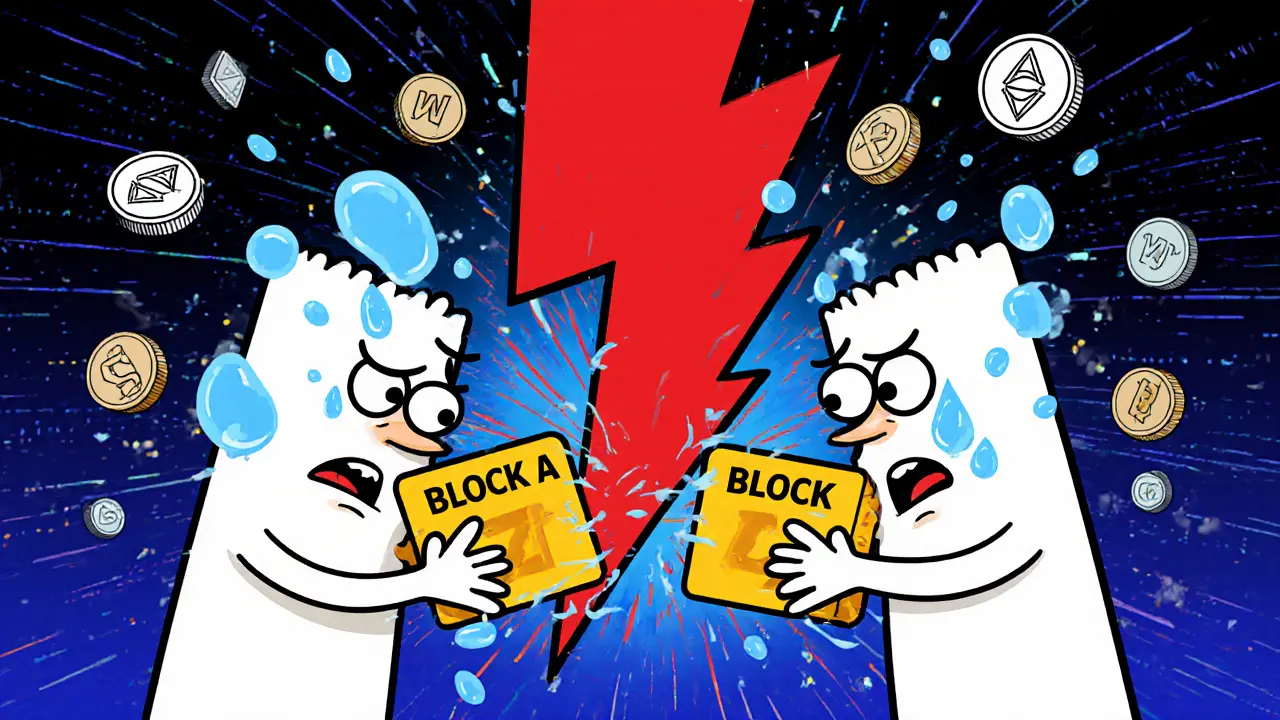
When you stake your crypto on a proof of stake a consensus mechanism where validators are chosen based on how much crypto they lock up, you’re helping secure the network. But if you or someone else misbehaves, the network can hit back hard with PoS slashing the automatic penalty system that destroys part of a validator’s staked funds for dishonest behavior. It’s not a threat—it’s the backbone of trust in blockchains like Ethereum, Solana, and Polkadot. Without slashing, bad actors could lie, double-spend, or go offline without consequence. Slashing makes cheating expensive, so most validators play fair.
Slashing isn’t random. It triggers when a validator does something clear and dangerous: signing two different blocks at the same height (double-signing), or going offline for too long (inactivity leak). The penalty isn’t just a warning—it’s a direct cut to their stake. On Ethereum, for example, slashing can mean losing 10% of your stake instantly, plus ongoing losses as long as the network is under attack. This isn’t just about punishing one person. It protects everyone. If one validator acts badly, slashing stops them from dragging the whole chain down. It’s like a seatbelt law for blockchain: you don’t get fined for driving slowly, you get punished for risking everyone’s safety.
Slashing also changes how you think about staking. It’s not just about earning rewards—it’s about risk management. If you stake through a pool or exchange, you’re trusting them to run secure nodes. But if they mess up, your coins could get slashed too. That’s why some users prefer self-custody: you control the keys, you control the risk. And if you’re running your own validator? You need reliable hardware, uptime monitoring, and backup systems. One power outage or misconfigured script could cost you hundreds or thousands. Slashing turns staking from a passive income play into an active responsibility.
Related tools like staking rewards the crypto earned by validating transactions and securing the network look great on paper, but they’re only as good as the system keeping them safe. And validator penalties the financial consequences imposed on participants who violate network rules are what make those rewards possible. You can’t have one without the other. The same blockchains that pay you for helping out will take money away if you break the rules. That’s the trade-off. And it’s why PoS networks are more secure than older systems that couldn’t punish bad behavior.
What you’ll find below are real stories—some of them cautionary tales—about what happens when things go wrong. You’ll see how exchanges got slashed, how users lost funds because they didn’t understand the risks, and how some projects turned slashing into a feature instead of a fear. Whether you’re staking your first ETH or managing a node for a whole team, these posts give you the raw, unfiltered truth about what’s really at stake.
Learn the real reasons validators get slashed in proof-of-stake blockchains like Ethereum and Cosmos, how much you can lose, and how to avoid it with simple, practical steps.
View More