Peer-to-Peer Crypto Myanmar: How Decentralized Trading Works in Restricted Markets
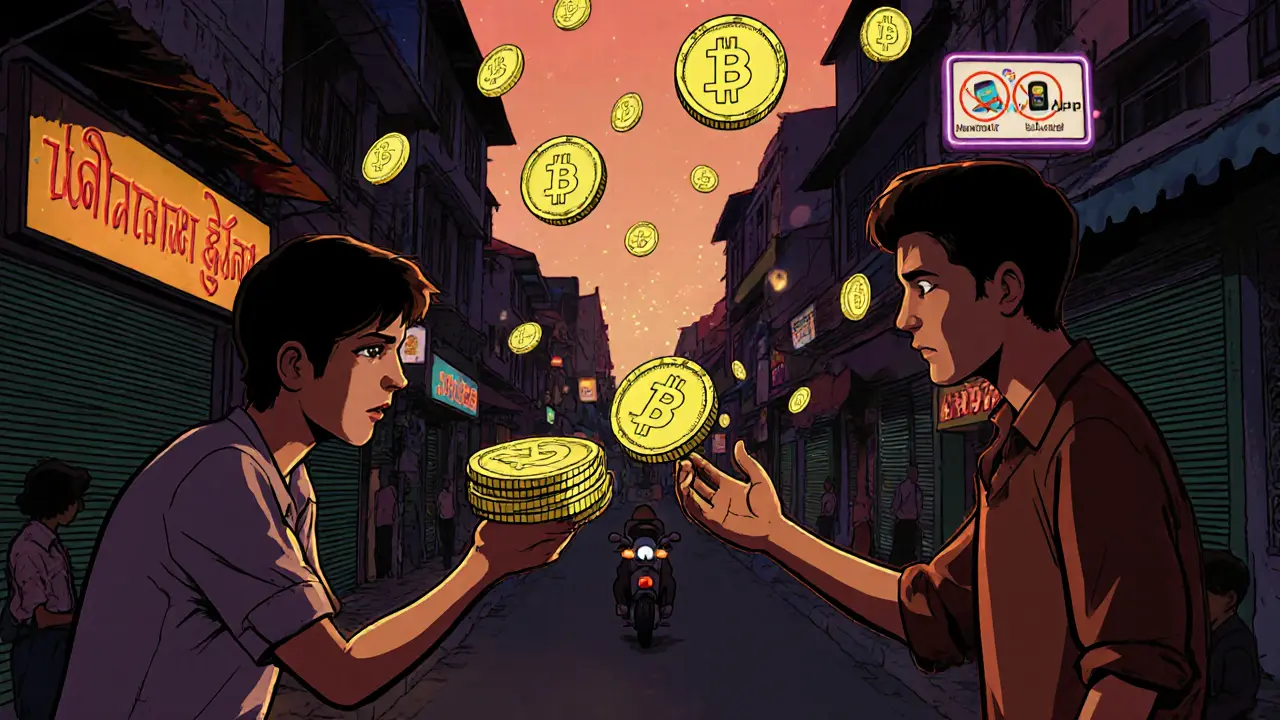
When you hear peer-to-peer crypto Myanmar, a system where individuals trade cryptocurrency directly without a central exchange. Also known as P2P crypto, it’s become a lifeline for people in countries where banks and official exchanges shut the door. In Myanmar, where the military government has cracked down on financial freedom since 2021, traditional banking is unreliable and crypto exchanges are banned or blocked. But people still trade. Not through apps like Binance or Coinbase—those are gone. Instead, they use WhatsApp, Telegram, and local cash meetups to swap Bitcoin, USDT, and other coins directly with neighbors, friends, or strangers they trust.
This isn’t just about bypassing rules—it’s survival. When inflation hit and the kyat collapsed, people turned to crypto not for speculation, but to protect savings. decentralized exchange, a platform that lets users trade without intermediaries. Also known as DEX, it’s the ideal model for places like Myanmar, where no single entity controls the flow. But here’s the catch: there are no official DEXs operating inside Myanmar. So users rely on global P2P platforms like LocalTrade (which we’ve flagged as risky) or informal networks. They trade USDT for kyat in person, using QR codes or screenshots as proof. Some use crypto ATMs in border towns, others rely on trusted middlemen who take a small cut. It’s messy, it’s unsafe, but it works.
The same risks show up in the posts below: fake exchanges, zero-supply tokens, and airdrop scams targeting people desperate for opportunity. You’ll find reviews of platforms like LocalTrade that pretend to be safe but are tied to fraud recovery schemes. You’ll see how Metahero and HappyFans promised free tokens but vanished overnight. And you’ll learn why KYC rules—common everywhere else—don’t apply here because there’s no official system to enforce them. In Myanmar, the only verification is your word, your reputation, or your cash in hand.
What you’ll find here isn’t theory. It’s real stories from people trying to stay connected to the global crypto economy under pressure. No fluff. No hype. Just what’s actually happening on the ground—and how to avoid getting burned while doing it.
Despite a total government ban, Myanmar's underground crypto market thrives through peer-to-peer trading, cash dealers, and encrypted apps. People use crypto to survive, send remittances, and resist oppression.
View More