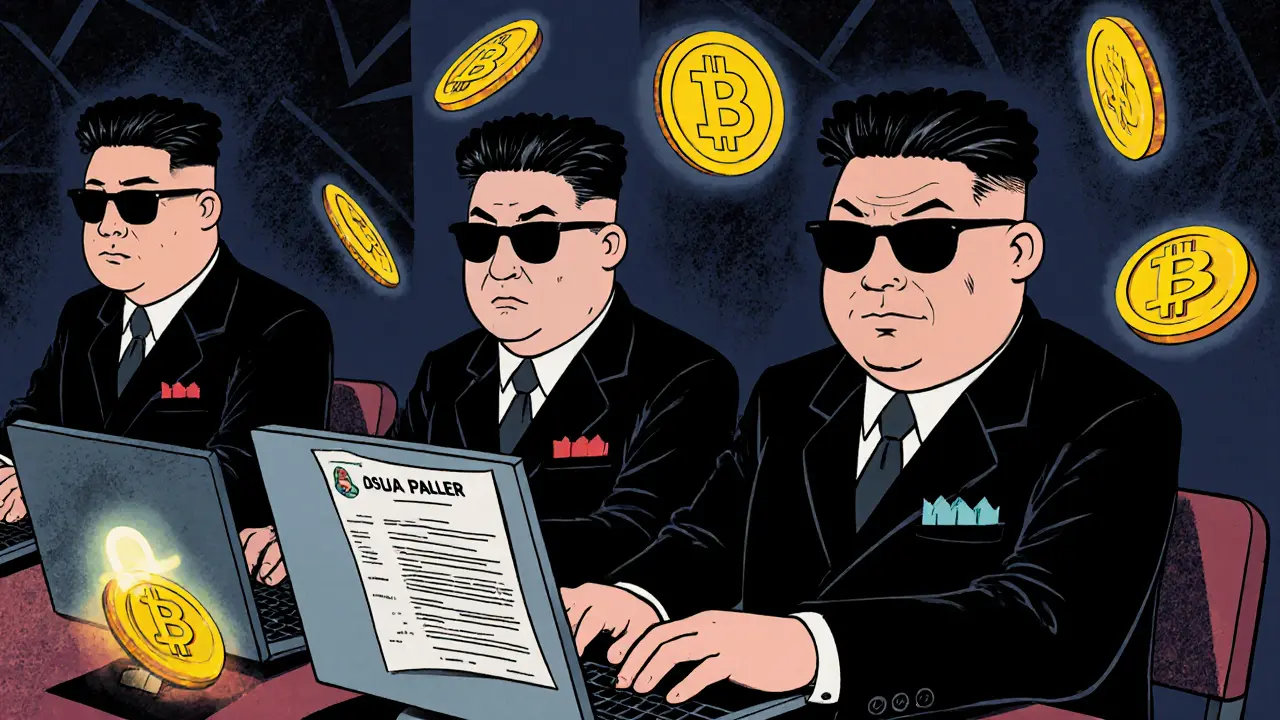
North Korea crypto: How a rogue state uses digital currency to bypass sanctions
When you think of North Korea crypto, the state-backed use of digital currencies to evade international sanctions and fund military programs. Also known as DPRK blockchain operations, it’s not theoretical—it’s a multi-billion-dollar cybercrime engine that’s been running for over a decade. Unlike normal crypto users who trade for profit or privacy, North Korea treats cryptocurrency as a weapon. The regime’s primary goal isn’t innovation or decentralization—it’s survival. And crypto is how they keep their nuclear program funded while the world tries to cut them off.
This isn’t just about hacking exchanges. North Korean groups like Lazarus Group, a state-sponsored cyber unit linked to the Korean People’s Army have stolen over $3 billion in crypto since 2017. They target DeFi protocols, bridge exploits, and even small airdrop platforms—anywhere they can slip in undetected. They use mixers, privacy coins, and fake identities to launder funds. Their operations are so advanced that even major exchanges like Binance and KuCoin have been breached. And while the U.S. Treasury and FATF have blacklisted dozens of wallets and addresses, new ones pop up faster than they can be tracked.
The real danger isn’t just the money stolen—it’s what that money buys. North Korea uses crypto to pay for missile parts, buy weapons-grade materials, and even fund propaganda campaigns abroad. They’ve turned crypto into their own private central bank. And while countries like the U.S. and South Korea scramble to tighten KYC rules and monitor blockchain activity, North Korea doesn’t need to follow any rules. They operate from behind firewalls, using stolen identities and compromised infrastructure. Even when exchanges crack down, they just move to unregulated platforms like LocalTrade or obscure DEXs with no oversight—exactly the kind of platforms we’ve seen in our posts, where fake volume and zero transparency make them perfect for laundering.
What you’ll find in the posts below aren’t just random crypto reviews—they’re pieces of a larger puzzle. Each article on scam exchanges, dead tokens, and unregulated platforms reveals how North Korea hides in plain sight. From fake airdrops like BABYDB and LEOS that lure in unsuspecting users, to platforms like Decoin with no team and no audits, these are the exact tools the regime uses to move and hide stolen funds. Even the rise of privacy coin delistings and SAR reports ties directly back to efforts to shut down their pipelines. This isn’t just about avoiding scams—it’s about understanding who’s behind them, and why crypto regulation matters more than ever.
OFAC has intensified sanctions against North Korean crypto networks that stole over $2.1 billion in 2025. These state-backed hackers use fake IT jobs to infiltrate U.S. companies and launder crypto into weapons funding.
View More