Nigeria crypto: What’s really happening with crypto in Nigeria
When people talk about Nigeria crypto, the vibrant, chaotic, and often dangerous crypto scene in Nigeria where millions trade Bitcoin and stablecoins despite government bans. Also known as Nigerian crypto market, it’s one of the most active crypto ecosystems in Africa — not because of official support, but because people have no other way to protect their savings from inflation and financial exclusion. Even though the Central Bank of Nigeria banned banks from handling crypto transactions in 2021, trading didn’t stop. It just went underground — through peer-to-peer platforms, mobile apps, and WhatsApp groups. Nigerians now use USDT and other stablecoins to buy groceries, pay rent, and send money home to family. This isn’t speculation. It’s survival.
But here’s the catch: crypto scams in Nigeria, a flood of fake exchanges, fake airdrops, and phishing schemes that target new users with promises of quick riches. Also known as Nigerian crypto fraud, these scams thrive because many users have never used a real exchange like Coinbase or Binance. They trust influencers on Instagram who promise 5x returns in a week. And when they lose money, they’re left with no recourse — no KYC, no customer support, no legal protection. The same platforms that help people survive also make them vulnerable. Then there’s the PTF crypto Nigeria, the unofficial term for peer-to-peer trading that bypasses banks entirely, using mobile money and cash deposits to trade crypto. Also known as P2P crypto Nigeria, this system keeps the market alive. Traders on LocalTrade or Paxful meet in person or use escrow services to swap naira for USDT. But even PTF isn’t safe — fake buyers, chargebacks, and rigged trades are common. You need to know who you’re dealing with.
Regulation? The Nigerian government talks about cracking down, but enforcement is weak. They’ve shut down exchanges, blocked websites, and arrested traders — yet crypto usage keeps growing. Why? Because the alternatives are worse. Inflation hit 30% in 2024. The naira lost over half its value in two years. Crypto isn’t a trend here — it’s a lifeline. But without proper education, people get burned. That’s why the posts below matter. You’ll find real reviews of platforms people actually use, deep dives into scams that look legit, and clear explanations of how to trade safely. No fluff. No hype. Just what works — and what to avoid.
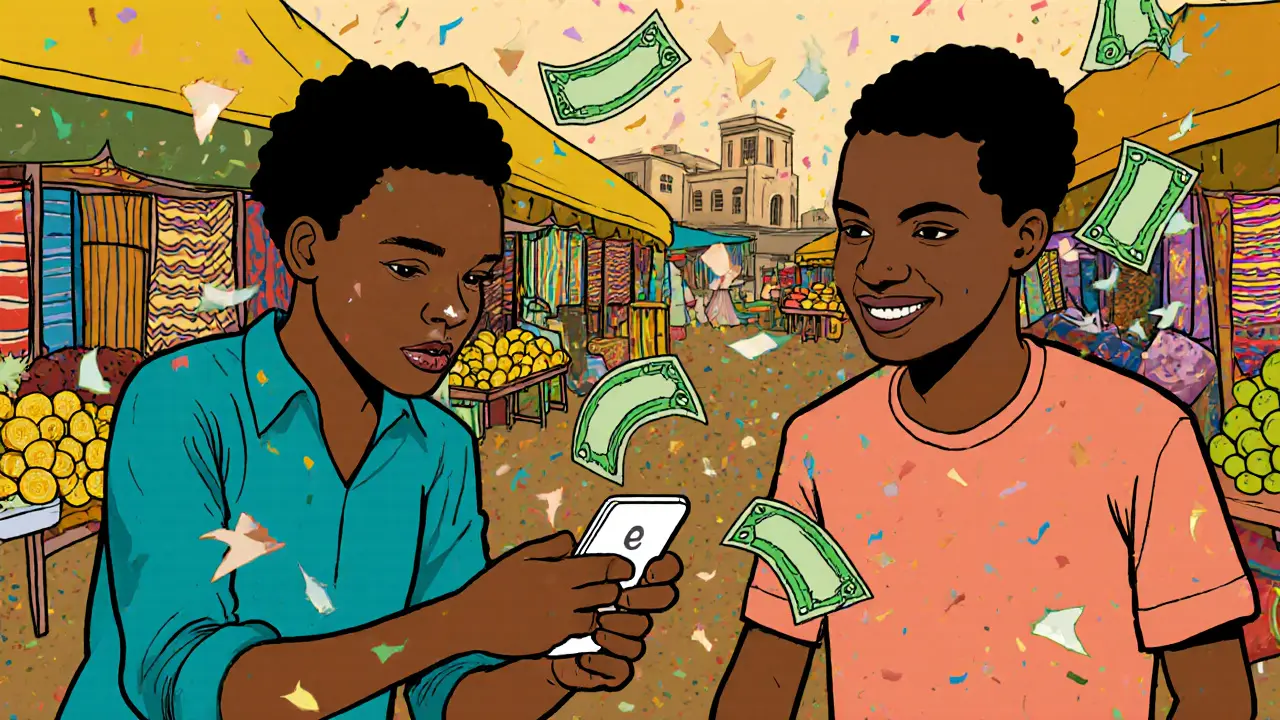
Despite government bans, millions in Nigeria and other developing countries use crypto to protect savings, send remittances, and access global markets-turning financial survival into a decentralized movement.
View More