Myanmar crypto market: What’s really happening with crypto in Myanmar
When people ask about the Myanmar crypto market, the unregulated, underground ecosystem where cryptocurrency trading happens despite government silence. Also known as crypto activity in Myanmar, it’s not about innovation—it’s about survival. Unlike countries that banned crypto outright, Myanmar never made a clear law. But that doesn’t mean it’s safe. The military government hasn’t legalized crypto, hasn’t licensed exchanges, and hasn’t protected users. Yet, people still trade. They use P2P platforms, WhatsApp groups, and local traders to buy Bitcoin and USDT with cash or bank transfers. There’s no KYC, no customer support, and no recourse if you get scammed.
This isn’t a thriving market—it’s a shadow economy. crypto regulation Myanmar, the absence of any formal rules or oversight means anyone can set up a fake trading group and vanish with your money. You won’t find a single licensed exchange in the country. Even major platforms like Binance or Kraken don’t operate there. The crypto ban Myanmar, a myth that’s often repeated but never officially enforced is misleading. There’s no law saying "crypto is illegal," but the government has repeatedly warned against it, and banks have cut off crypto-related transactions. That creates a dangerous middle ground: no legal protection, but real risk of arrest or fines if caught.
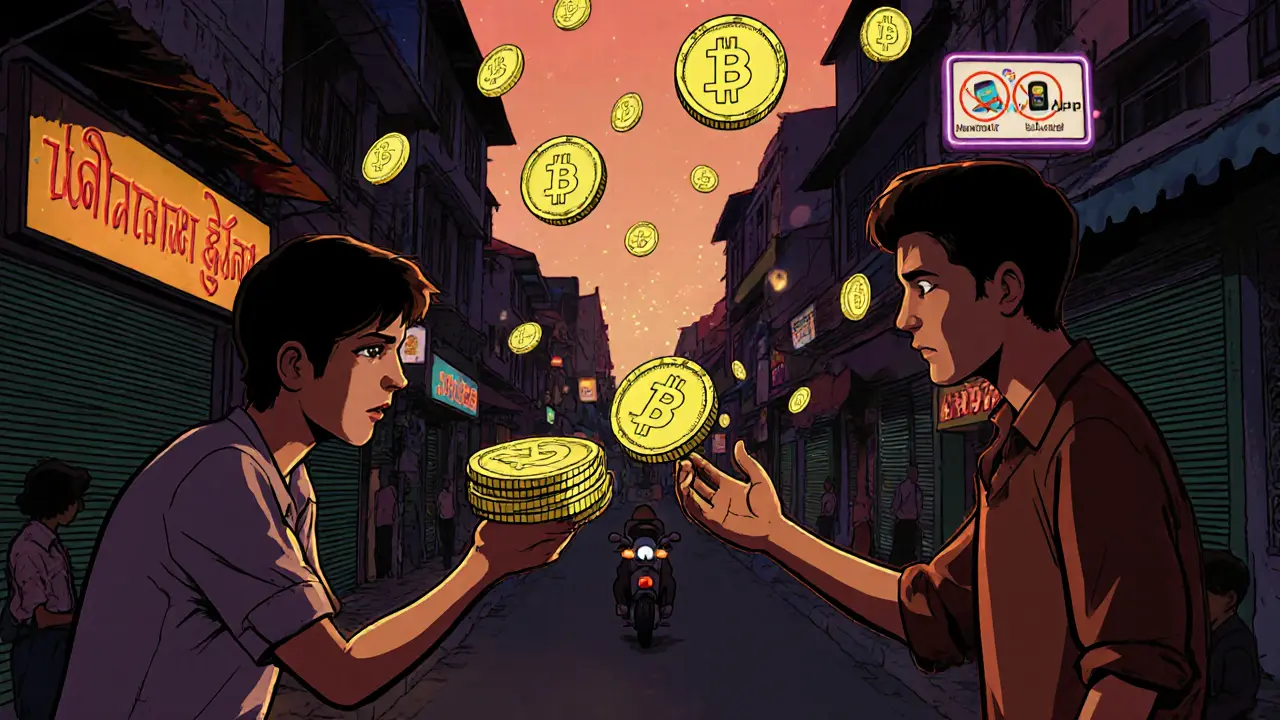
Most users in Myanmar rely on cash-based P2P trades. Someone in Yangon meets a buyer in a café, hands over kyat, and gets Bitcoin sent to their phone wallet. No identity checks. No receipts. No records. It’s fast, anonymous, and risky. If the seller disappears, you have no way to prove you paid. If the police raid your home and find your wallet seed phrase, you could be charged with money laundering. The crypto trading Myanmar, a daily practice done in secrecy by thousands, mostly young people and remittance workers is driven by necessity—cross-border payments, inflation, and lack of banking access. But it’s not a choice; it’s a workaround.
What you’ll find in this collection isn’t hype. It’s hard truths. We’ve pulled together real reviews of platforms that claim to serve Myanmar users—most are scams. We’ve analyzed how local traders get burned, what fake airdrops target them, and why even "safe" exchanges like LocalTrade or Decoin are traps in this environment. You won’t find a guide to buying crypto legally in Myanmar because no such thing exists. What you will find are the warning signs, the red flags, and the stories from people who lost everything. This isn’t about trends. It’s about staying alive in a market where the rules are written in silence—and broken every day.
Despite a total government ban, Myanmar's underground crypto market thrives through peer-to-peer trading, cash dealers, and encrypted apps. People use crypto to survive, send remittances, and resist oppression.
View More