MiCA License: What It Means for Crypto Exchanges and Users
When you hear MiCA license, the Markets in Crypto-Assets Regulation, a comprehensive EU framework that sets rules for crypto businesses. Also known as MiCA regulation, it’s the first time a major economy has created a unified legal structure for digital assets—from stablecoins to decentralized exchanges. This isn’t just paperwork. It’s forcing exchanges, wallets, and token issuers to prove they’re safe, transparent, and accountable—or get shut down.
Before MiCA, crypto firms in Europe played by different rules in each country. Some had no oversight at all. Now, any exchange serving EU customers needs a MiCA license. That means real audits, clear whitepapers, anti-money laundering checks, and public disclosures about team members and funding. Crypto exchange compliance, the process of meeting MiCA’s requirements to legally operate in the EU isn’t optional anymore. Platforms like LocalTrade or Decoin, which lacked transparency, wouldn’t even qualify. Meanwhile, bigger players like Kraken or Coinbase had to restructure their EU operations to stay legal.
And it’s not just exchanges. Crypto regulation EU, the broader legal environment shaped by MiCA that impacts every crypto service operating in the bloc now covers stablecoins, DeFi protocols, and even NFT marketplaces if they’re sold as investment products. If you’re holding EUR-pegged tokens, you’re affected. If you’re using a DEX like VoltSwap in the EU, it must now disclose its tokenomics and risk warnings. Even airdrops like Metahero’s or AdEx’s could be subject to new disclosure rules if they’re marketed as financial opportunities.
For users, this means less chaos. Fewer fake tokens. Fewer scams pretending to be exchanges. It also means slower onboarding—KYC is now mandatory under MiCA, just like in traditional banking. But that’s the trade-off: safety over speed. The EU blockchain rules, the legal standards established by MiCA to bring order to the crypto market across all 27 EU member states are forcing the industry to grow up. Projects with zero supply like MARGA or abandoned ones like CVTX won’t survive the scrutiny. Only those with real structure, real teams, and real accountability will be allowed to operate.
What you’ll find below are posts that dig into exactly how MiCA is reshaping the crypto landscape—from the licensing battles of Turkish and Vietnamese exchanges to the delisting of privacy coins under FATF pressure. These aren’t theoretical discussions. They’re real-world examples of how MiCA’s ripple effects are playing out globally, even beyond Europe. Whether you’re trading, investing, or just trying to stay safe, understanding this license isn’t optional—it’s essential.
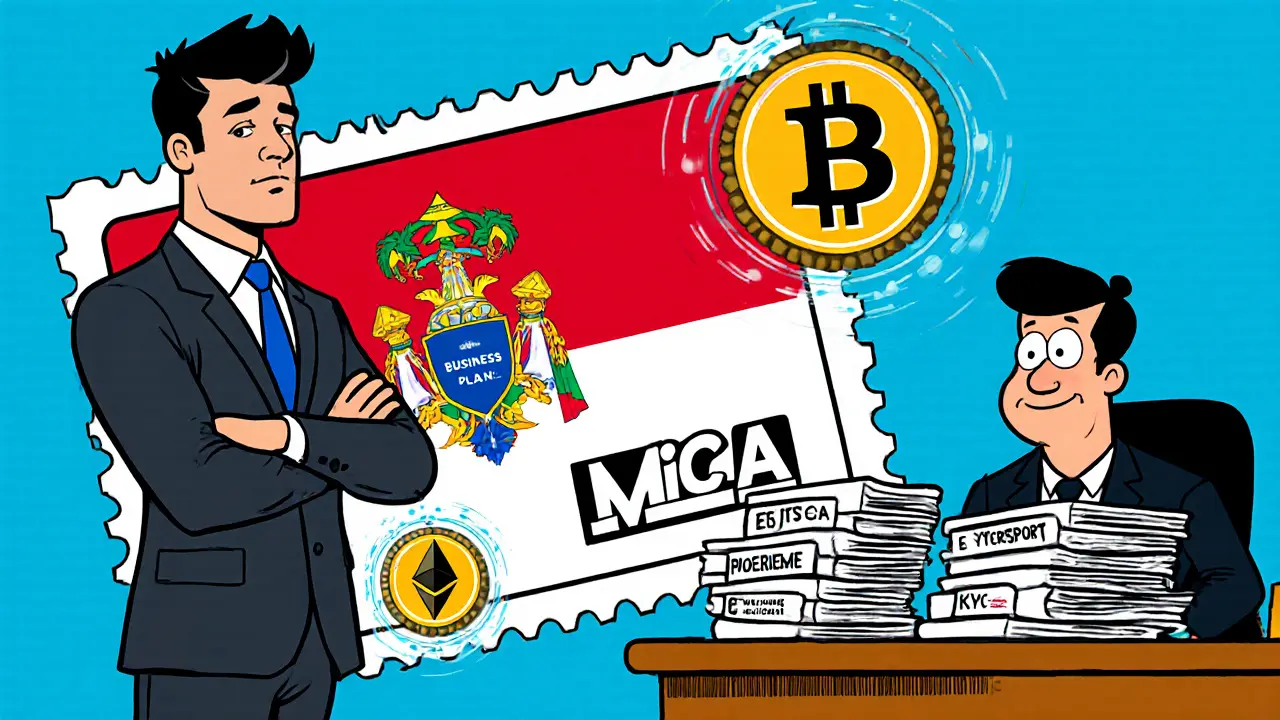
Setting up a crypto exchange in Malta requires a MiCA license from the MFSA, offering EU-wide access but demanding high compliance, capital, and operational standards. Only serious, well-funded operators succeed.
View More