Memecoin: What They Are, Why They Rise, and How to Avoid the Traps
When you hear memecoin, a cryptocurrency created mostly for jokes, viral trends, or community hype, not utility or technology. Also known as dog coin, it’s the crypto equivalent of a viral TikTok—fun to watch, risky to jump into, and often gone by morning. Unlike Bitcoin or Ethereum, memecoins don’t solve problems. They don’t have whitepapers that make sense. Some don’t even have a team. Yet, they surge 10,000% in days, then crash harder than a dropped phone. Why? Because people buy them because everyone else is buying—and because someone, somewhere, is selling.
Memecoins live on decentralized exchanges, platforms where you trade crypto without a middleman, often with no KYC and zero oversight. That’s why you see coins like MARGA or BABYDB pop up overnight on VoltSwap or LocalTrade—no one checks if they’re real. These DEXs let anyone launch a token with a few clicks, and that’s exactly how memecoins spread. They’re not built. They’re dropped. And then they’re pumped by bots, influencers, and Discord mobs before the devs vanish with the liquidity.
Most memecoins are tied to crypto airdrop, free token distributions meant to lure users, but often used to create fake demand before a dump. You’ll see headlines like "Get FREE HAPPY tokens!" or "Claim your HERO airdrop now!"—but if there’s no clear contract, no team, and no history, it’s a trap. The real airdrops—like the ones tied to active DeFi tools or legitimate projects—don’t ask for your private key. They don’t rush you. They don’t promise riches. They just give you a token you might actually use.
And then there’s the flip side: the crypto scam, a scheme disguised as a memecoin, designed to steal your money, your data, or both. Projects like LocalTrade or Decoin pretend to be exchanges. They show fake volume, fake reviews, fake support. They lure you in with promises of high returns, then lock your funds or disappear. The same tactics are used on memecoins. A coin with zero supply? That’s not a bug—it’s a feature of the scam. A token with no liquidity? That’s not a delay—it’s the exit plan.
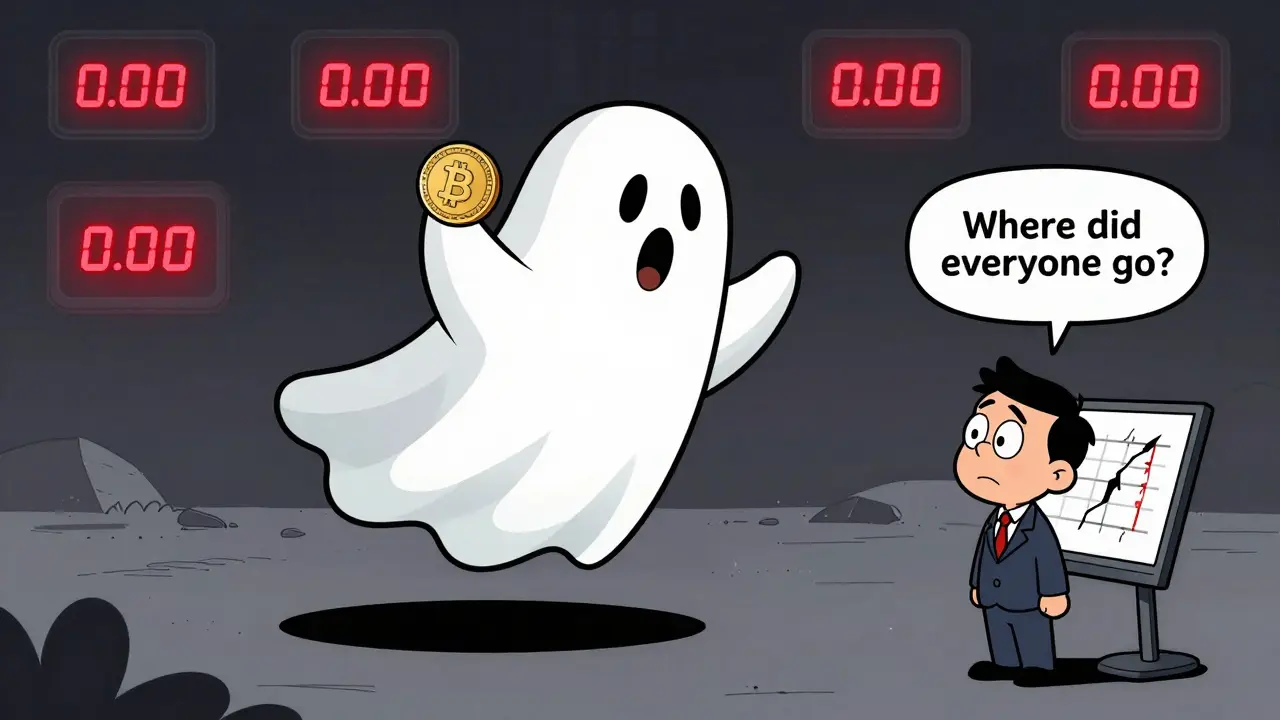
Memecoins aren’t going away. They’ll keep popping up because they tap into something human: the dream of getting rich fast, the thrill of being early, the FOMO of seeing your friend post a screenshot of a 50x gain. But behind every meme coin that made someone rich, there are a thousand others that wiped out their savings. The ones that survive? They either get real utility, or they get bought by a bigger player who turns them into something useful. The rest? They become ghost tokens—listed on price trackers, but untradeable, unowned, and useless.
What you’ll find below isn’t a list of the next big memecoin. It’s a collection of real stories—about coins that vanished, exchanges that lied, airdrops that were fake, and the people who lost everything chasing them. You’ll learn how to spot the difference between a joke and a trap. How to tell if a token has any life left. And why the most dangerous memecoins aren’t the ones with the funny names—they’re the ones that look just real enough to fool you.
Landwolf 0x67 (WOLF) is a memecoin tied to a comic character, not a serious investment. With a market cap under $25 million and a price under $0.00003, it's a high-risk, low-utility token with fading hype and no real utility.
View More
CRAZY BONK (CRAZYBONK) is a memecoin with zero trading volume, no community, and no development. Its price is unstable, its market cap is $0, and it shows all signs of being abandoned. Avoid it.
View More
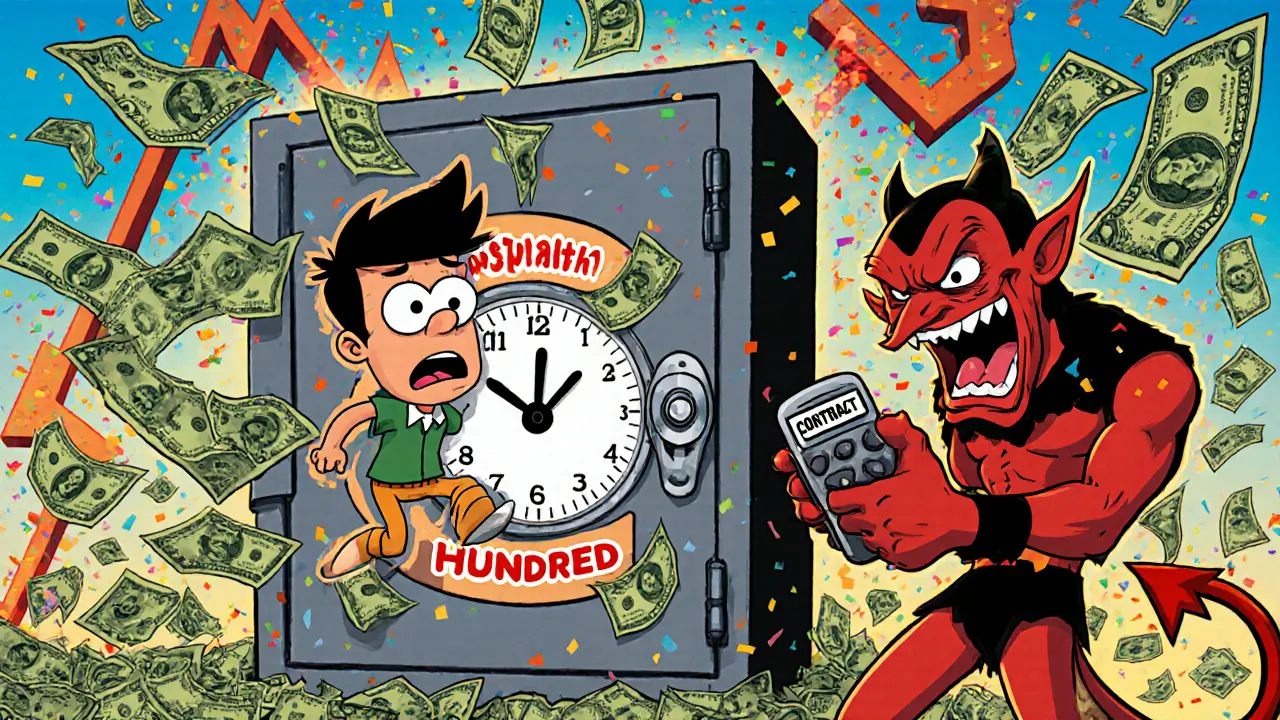
HUNDRED (HUNDRED) is a memecoin that forces users to hold coins for 100 hours after purchase. With no real community, minimal trading volume, and a centralized contract, it's a high-risk novelty with no long-term value.
View More